



Adult wellness is not something that suddenly begins in adulthood. It is deeply rooted in our earliest experiences — the environment we grew up in, the relationships we formed, and the emotional patterns we learned as children. Many adults struggle with stress, anxiety, low self-worth, or emotional exhaustion without realizing that these challenges often trace back to childhood.
Understanding this connection is not about blaming the past. It is about gaining awareness, compassion, and the power to heal.
What Is Adult Wellness?
Adult wellness goes beyond physical health. It includes emotional stability, mental clarity, healthy relationships, self-confidence, and the ability to cope with stress. A truly healthy adult life is one where a person feels safe within themselves, understands their emotions, and can build fulfilling connections with others.
When childhood needs are unmet — whether emotionally, physically, or psychologically — those gaps often carry forward into adulthood.
The Childhood–Adulthood Connection
As children, we learn how the world works through our caregivers. We learn:
- How safe it is to express emotions
- Whether our needs matter
- How love is given and received
- How conflict is handled
These lessons quietly shape our adult behaviors.
For example:
- A child who felt emotionally ignored may grow into an adult who struggles to ask for help.
- A child raised in constant criticism may become an adult with perfectionism or self-doubt.
- A child who grew up in instability may develop chronic anxiety.
These patterns are not weaknesses. They are learned survival responses.
How Childhood Affects Mental and Emotional Wellness
Many adult mental health challenges are not random. They are adaptive responses developed early in life.
Common adult wellness struggles linked to childhood include:
- Chronic stress or burnout
- Difficulty trusting others
- Emotional numbness or overwhelm
- Fear of abandonment
- Low self-esteem
The nervous system remembers what the mind may forget. Childhood stress can keep the body in a constant state of alertness, even years later.
Signs Your Childhood Is Affecting Your Adult Wellness
You may notice childhood patterns affecting your adult life if you:
- Overreact emotionally to small triggers
- Feel responsible for everyone else’s emotions
- Avoid conflict at all costs
- Struggle with boundaries
- Feel “not good enough” despite achievements
Recognizing these signs is not a failure. It is the first step toward healing.
Why Awareness Is the First Step to Healing
Healing adult wellness begins with awareness. When you understand why you feel the way you do, shame begins to dissolve. You stop seeing yourself as broken and start seeing yourself as someone who adapted to survive.
This awareness allows you to:
- Respond instead of react
- Choose healthier behaviors
- Build self-compassion
Healing does not erase the past — it transforms your relationship with it.
Practical Ways to Improve Adult Wellness
Improving adult wellness does not require reliving trauma. It requires consistent, gentle practices:
- Emotional Awareness
Learn to name your emotions without judgment. - Nervous System Regulation
Practices like deep breathing, walking, and mindfulness help calm childhood stress patterns. - Healthy Boundaries
Boundaries teach your inner system that safety exists. - Self-Validation
Learn to acknowledge your needs, even if they were ignored before. - Support Systems
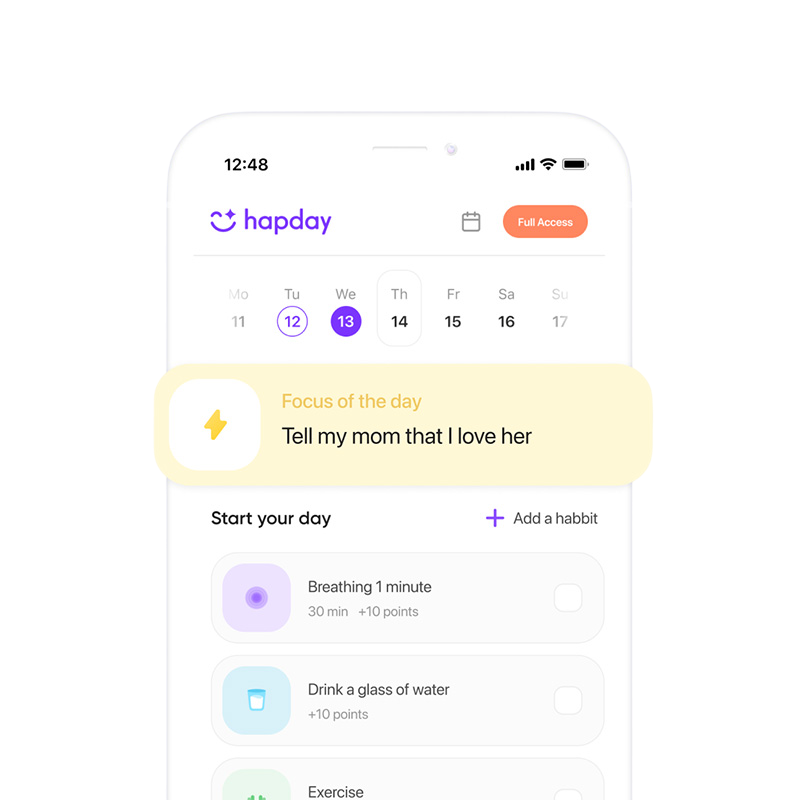
Therapy, coaching, or self-growth platforms like Hapday help guide healing safely.
Building a Healthier Adulthood
Adult wellness is not about becoming someone new. It is about returning to yourself — the version of you that learned to adapt but is now ready to heal.
A healthier adulthood is built one moment of awareness at a time.