



Table of Contents
- Understanding the Impact of Childhood Trauma
- Fostering Self-Compassion
- Establishing a Supportive Network
- Mindfulness and Grounding Practices
- Seeking Professional Help
- Reconstructing Identity and Purpose
- Embracing Radical Acceptance
- Recognizing Post-Traumatic Growth
- A Forward-Looking Journey
Key Takeaways
- Childhood trauma deeply influences adult stress responses and relationships.
- Self-compassion is essential for healing, allowing individuals to transform perceived failures into growth.
- Building supportive connections can significantly enhance emotional well-being.
- Mindfulness practices help ground individuals in the present, reducing trauma-related anxiety.
- Therapy serves as a crucial tool for processing trauma and reshaping personal narratives.
Understanding the Impact of Childhood Trauma
Envision climbing a rugged mountain, each step burdened with ghosts from the past. Childhood trauma—it mirrors this uphill battle, shrouded in memories threatening to buckle our knees. Grasping the contours of this familiar terrain is the beginning of mastery, perhaps.
“Childhood trauma sensitizes us to adult stress,”
— Dr. Sarah Chen, Clinical Psychologist, NYU
The emotional and neurological traces act like a relentless echo, weaving into our relationships, self-image, and coping techniques.
Unpacking how trauma influences brain growth during those tender years—changing the hippocampus, amygdala, and prefrontal cortex—is crucial. These are spots key to memory, emotion control, decision-making, say researchers at Harvard University. This understanding can illuminate our reactions—the kind that make a critical remark at work feel like a plunge, or render intimacy almost unbearable.
Fostering Self-Compassion
Self-compassion—the bedrock of healing, many argue. Take Maya’s story: At 28, her marriage unraveled, and she blamed herself for not being “enough,” Dr. Chen recalls. It wasn’t until she practiced gentleness toward herself that true healing began.
This isn’t about breezy self-love quotes. It’s extending to ourselves the grace and kindness we offer a dear friend. Whether through affirmations or a softer inner dialogue, affirming “I am doing my best, and that’s enough” can be revolutionary. Such practices ground us in resilience, turning perceived failures into mere footnotes of growth.
Establishing a Supportive Network
Isolation is trauma’s longtime companion, but human connection can break that solitude. The American Psychological Association highlights that nurturing relationships act as buffers against emotional distress, promoting mental well-being.
Find a circle—be it in communities or support groups—where shared stories foster empathy and mutual understanding. Maybe it starts with a single, heart-felt chat with a trusted someone. With time, these bonds create a bulwark against the echoes of past wounds.
Mindfulness and Grounding Practices
Imagine entering a peaceful forest after a storm, breathing in the Earth’s renewed fragrance. Mindfulness and grounding can birth this inner calm, tethering you to the now, not what was.
“Mindfulness doesn’t mean fleeing reality; rather, meeting it with gentleness. It’s about staying rooted, chaos notwithstanding.”
— Dr. Lisa Rodriguez, Mindfulness Guide
Studies back this up. Mindfulness, through methods like meditation or even mindful walks, reduces anxiety related to trauma, says research highlighted by the National Institute of Mental Health. Simple acts, focusing on a breath or nature’s quiet details, can root emotional regulation tightly into our everyday.
Seeking Professional Help
The healing journey is personal, yet it isn’t a solo trek. Therapy opens a door to explore old wounds and write newer, healthier narratives. Techniques like Cognitive-Behavioral Therapy (CBT) and Eye Movement Desensitization and Reprocessing (EMDR) can lead the processing of childhood trauma, reframing negative cycles and helping integrate fragmented memories, according to the Mayo Clinic.
Consider Hannah, battered by years of self-doubt due to a neglectful past. Therapy gave her hope, like being handed a detailed map of her emotional landscape. It not only illuminated her history but revealed inner strengths—a vital milestone in her path to well-being.
Reconstructing Identity and Purpose
Who are you, really, when stripped of your trauma’s cloak? This question can repeatedly disturb yet also liberate. Post-trauma identity reconstruction means redefining personal values, seeing priorities afresh.
Delve into what brings genuine joy or aligns with personal dreams and growth—a new skill, volunteering, rediscovering hobbies that once sparked creativity and resilience. These engagements forge an identity based on empowerment, not trauma.
Embracing Radical Acceptance
The storm of the past is immutable, but how you stand amidst its shadowy residues is your control. Radical acceptance isn’t about succumbing to it but naming it without harsh judgments, casting off “what ifs” and “if only”.
To quote Tara Brach, an esteemed psychologist, “It’s embracing the life we have and greeting our human experiences bravely.” Shift language use—try saying “I feel angry,” not “I am angry.” This subtle but important change distances emotion identification from total self-definition.
Recognizing Post-Traumatic Growth
Trauma’s painful core doesn’t negate its potential as a growth crucible. Post-traumatic growth (PTG)—a surprising phenomenon where even the deepest struggles spawn profound change. Studies show many individuals report newfound personal robustness, deepened relationships, and a richer appreciation for life post-trauma, notes the APA.
Celebrate these growth moments—they signify ongoing resilience, a resourcefulness we all secretly harbor.
A Forward-Looking Journey
Healing from childhood trauma isn’t about erasing the past; it’s about interweaving it into a vibrant fabric of growth and resilience. Each step forward pushes back against the weight, reclaiming narrative threads and weaving an adult life rife with meaning—and promise.
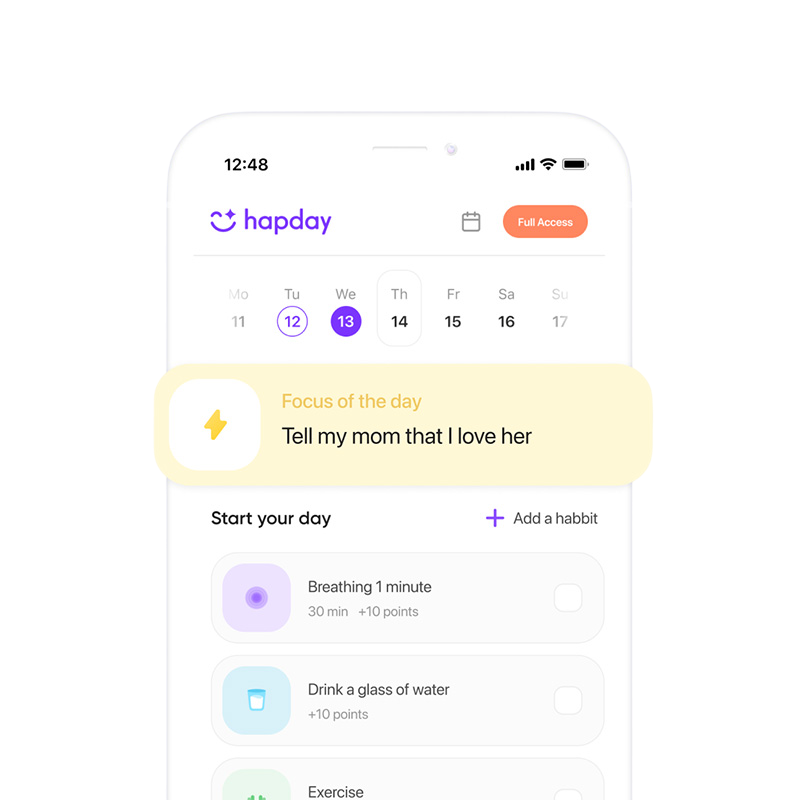
For those seeking newly found steps in healing, consider exploring hapday.me—a wellness platform intertwining guided self-healing and daily emotional support. Check them at https://hapday.me/.
With understanding, compassion, connection, and acceptance leading the way, you wield the power to thrive, not just survive—crafting futures that honor pasts without becoming beholden to them.
The Bottom Line
Fostering wellness after childhood trauma is a journey rich with potential for personal growth. Through self-compassion, supportive relationships, mindfulness, professional help, and acceptance, individuals can transform their challenges into strengths and create meaningful futures.