



Table of Contents
- Grasping Childhood Trauma’s Grip
- Acknowledging the Path You’ve Walked
- The Role of Mindfulness in Cultivating Self-Compassion
- Rewriting the Stories We Tell Ourselves
- Seeking Therapy and Finding Your Tribe
- Building Resilient Boundaries
- Resilience Through Connection
- The Healing Potential of Creativity
- Embracing the Unfamiliar
- In Closing
Key Takeaways
- Understanding and acknowledging childhood trauma is crucial for self-healing.
- Mindfulness and self-compassion are powerful tools for overcoming self-criticism.
- Revising your internal narratives can significantly improve self-worth.
- Therapy and supportive communities offer valuable spaces for healing.
- Creativity and new experiences foster personal growth and resilience.
Grasping Childhood Trauma’s Grip
The scars left by childhood trauma are as varied as the experiences that inflict them. The American Psychological Association defines such trauma as physical or emotional wounds from abuse, neglect, loss, or violence, all of which can deeply affect the brain’s development and response to stress. (American Psychological Association).
Do you feel anxious in a crowd? Or perhaps mistrustful even in close relationships? These patterns have roots in early lessons learned about safety and love. Reflect on Maya, 28, whose childhood emotional neglect led her to relentlessly seek validation through others’ approval. Her struggle tells a broader story—one where the quest is to be genuinely seen and loved.
Acknowledging the Path You’ve Walked
Before setting your sights on change, it’s essential to reflect on your past.
“Recognizing how your childhood shaped you is crucial, often underestimated.”
— Dr. Sarah Chen, NYU
Accepting the influence of those early years can empower future change. It’s like noticing an old injury—without acknowledgment, the healing process cannot truly begin.
The Role of Mindfulness in Cultivating Self-Compassion
After trauma, self-criticism becomes the norm. How many times have you scolded yourself over things beyond your control? Self-compassion—which means acknowledging your own suffering and being kind to oneself—can serve as a powerful remedy. Mindfulness tools like yoga or meditation have shown promise in easing symptoms of PTSD and anxiety (NIH).
Why not try guided meditations by Jon Kabat-Zinn or yoga with Adriene on YouTube? The act of observing your thoughts without judgment fosters a gentler relationship with yourself.
Rewriting the Stories We Tell Ourselves
Our internal monologue—often shaped by childhood narratives—defines our perceived truth. This process involves identifying limiting beliefs and challenging them with adult experiences. During her divorce, Maya felt she was a failure—her childhood neglect whispering the theme of inadequacy. Through therapy, she learned to untangle her self-worth from her relationship status.
Journaling can be a helpful tool here. By affirming your value and documenting your strengths, you actively shape a more positive narrative, carving new neural paths in your mind.
Seeking Therapy and Finding Your Tribe
Knowing you aren’t alone is transformative. Therapy offers a secure space for exploring the depths of trauma with a trusted guide. Therapeutic approaches like CBT and EMDR have shown promise in helping survivors process trauma and lessen anxiety (Mayo Clinic).
If the idea of therapy is overwhelming, consider support groups or online communities. Places like Reddit’s r/cPTSD provide shared experiences and empathy, creating a comforting community.
Building Resilient Boundaries
Boundaries serve as your emotional preserve—yet, they might be inherently porous or too rigid due to past neglect or abuse. Regaining control requires practice. Start small, perhaps by refusing minor requests, building up the walls of your comfort zone gradually.
Assess how your boundaries currently function. Are they too unforgiving, keeping everyone distant? Or are they so open that your peace is sacrificed? Picture them as a gated community, where you control who gets to enter.
Resilience Through Connection
Trauma often taints relationships, instilling a fear of rejection and hampering the allowance for closeness. Building resilience involves leaning on nurturing relationships that bolster your trust.
“When vulnerability meets empathy instead of judgment, it rewires our view of relationships.”
— Dr. Emily Sanders, Trauma Expert
Foster connections where you’re free to be yourself; this sets the stage for healthier dynamics, an empowering step for self-growth.
The Healing Potential of Creativity
Creativity can express what words cannot. Art, music, writing, and dance let you explore emotions without limits. Research in the Journal of American Art Therapy highlights that creative arts therapy can reduce stress and kindle self-discovery.
The goal isn’t a masterpiece but the act of creation itself. Consider joining a local art class or trying an online course—let creativity be a therapeutic refuge amidst life’s chaos.
Embracing the Unfamiliar
Growth often lies beyond comfort’s edge. This may feel daunting, especially after years of building those protective walls. But venturing into new experiences, developing skills, or changing routines can rebuild confidence and open you to a broader world.
Begin by identifying an interest of yours—solo travel, volunteer work, or simply shaking up your daily routine. Though small, these steps create a cascading wave of change.
In Closing
Everyone’s path to self-growth after childhood trauma is as unique as their story. It’s never a straight line but rather a dance between advancing and retreating. Remember, each step matters. Like Maya, embrace therapy, mindfulness, and boundaries. You possess the strength to rewrite your narrative.
Although confronting fears, reshaping norms, and recalibrating relationships may feel overwhelming, self-compassion and patience will walk alongside you. With every action, you acknowledge your resilience and the remarkable ability to grow within you.
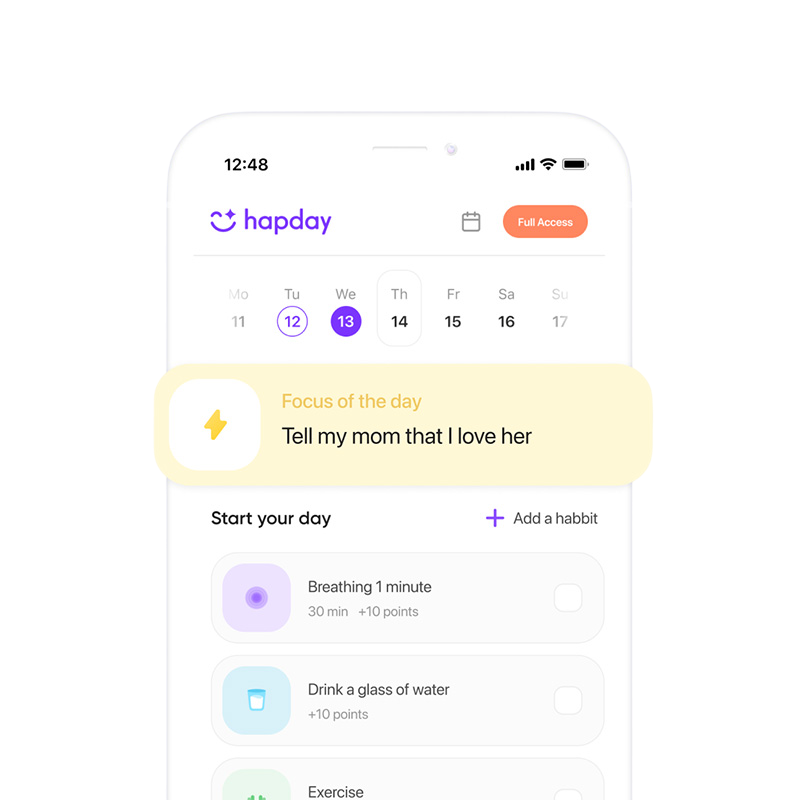
Explore platforms like hapday.me for guided programs and daily support tailored to your emotional healing and growth.
The Bottom Line
Your journey toward healing from childhood trauma is personal, but it’s filled with potential for growth and transformation. Embrace each step, keep fostering self-compassion, and remember that seeking support is a sign of strength.