



Introduction
You swear you’ve moved on. You’ve read the books. You no longer talk to the parent who blamed you for their bad days. Your therapist says you’re making progress. Then one ordinary Tuesday, a text goes unanswered, your chest tightens, and suddenly you’re 10 years old again—waiting at the window, stomach in knots, rehearsing how to be “good” enough to be chosen. If you’re wondering why your childhood trauma recovery keeps stalling, you’re not alone. Healing from early wounds isn’t linear, and there are science-backed reasons your progress can pause, loop, or feel like it’s sliding backward.
Here’s the compassionate truth: childhood trauma recovery often stalls right at the point where your survival adaptations collide with your new intentions. You’re not failing. Your nervous system is doing exactly what it learned to do to protect you. Once you understand the “why,” you can work the “how” with more kindness, precision, and momentum. In my view, that is the pivot we tend to miss—expecting willpower to outvote wiring.

Table of Contents
Key Takeaways
- Stalls often happen when survival adaptations collide with new, healthier intentions.
- Bottom-up body practices, sleep, and safe relationships accelerate nervous system recalibration.
- Patterns like fawn, perfectionism, and avoidance can feel helpful but keep you stuck.
- Progress looks like quicker recovery, less self-blame, and tiny brave reps—not zero triggers.
- Right-fit therapy plus compassionate consistency creates momentum over time.
The Hidden Math of Stalled Healing
Let’s begin with what you can’t see but constantly feel: your biology. Adverse childhood experiences (ACEs)—things like household violence, addiction, or emotional neglect—aren’t rare outliers. The CDC estimates that roughly 61% of adults report at least one ACE and nearly 1 in 6 report four or more. Those early stressors track with higher risks for depression, anxiety, heart disease, and other conditions later in life. Translation: your system learned to live on high alert.
Dr. Nadine Burke Harris, the former California Surgeon General, has called ACEs a public health crisis because they tilt stress-response systems early. That isn’t destiny; it’s an explanation. When your brain senses threat—criticism at work, a vulnerable conversation at home—it diverts energy from your reflective prefrontal cortex into older survival circuits. You’re not “overreacting.” You’re responding with a body that was trained to keep you safe. I think we understate how physical this is—how much of healing is physiology, not philosophy.
The Biology that Freezes Childhood Trauma Recovery
Why it stalls:
- The nervous system holds onto survival modes (fight, flight, freeze, fawn). Harvard’s Center on the Developing Child has long warned that sustained, unbuffered stress—“toxic stress”—can disrupt brain architecture and skew stress-hormone regulation.
- When the amygdala flags danger, your body moves first. You dissociate in arguments, shut down during intimacy, or say “yes” to avoid conflict. Your intentions are adult; your physiology is ancient.
How to unstick it:
- Practice bottom-up regulation. Gentle somatic work—paced breathing, orienting to the room, feeling your feet on the floor—downshifts arousal faster than logic. Mindfulness-based practices have been shown to ease anxiety and stress. Start tiny: three slow exhales before replying to a hard text.
- Guard your sleep like a treatment plan. Sleep supports emotion regulation and memory processing. Exhaustion mimics danger; rested brains learn and rewire better. If you ask me, sleep is the most underrated trauma tool we have.
- Work with a therapist who understands the body. Modalities such as EMDR or somatic therapies help process memories while tracking sensations so your system learns safety in real time.
Relational Patterns that Quietly Stall Childhood Trauma Recovery
Why it stalls: Maya, 28, thought boundaries meant calmly saying no once. When her partner responded with silence, her body panicked. She apologized, over-explained, and suddenly she was back to placating. This is the fawn response—an attachment-era tactic to keep caregivers close. Many of us recreate early dynamics in adult life: pursuing avoidant partners, caretaking at our own expense, or picking bosses who echo critical parents. The nervous system often chooses “familiar” over “healthy” because familiar once meant survival. I see fawn as the most invisible pattern among high achievers.
How to unstick it:
- Map the pattern out loud. Write, “When I set a boundary, my brain predicts abandonment, so I rescue the other person.” Naming the loop lets you spot it in the moment.
- Build corrective experiences in low stakes. Practice “no” with a trusted friend or a coffee order. Repetition teaches your body that safety can coexist with self-respect.
- Prioritize the right therapeutic fit. A strong therapeutic alliance is one of the best predictors of improvement, and a clear majority of people benefit from psychotherapy. If you don’t feel safe or seen, you’re not obligated to stay.
Expert insight:
“Attachment injuries don’t melt with insight alone. We heal in new relational experiences, and self-compassion is the relationship you can always bring with you.”
— Dr. Kristin Neff, PhD
She emphasizes that self-compassion isn’t self-indulgence; it’s a reliable buffer against shame and anxiety.
Coping Strategies that Secretly Keep You Stuck
Why it stalls: Some of your most praised habits may be trauma control strategies in disguise. Perfectionism, overworking, relentless busyness, or always being the helper can quiet anxiety short-term while hardening the belief, “I have to be useful to be wanted.” Avoidance offers quick relief, which strengthens the habit through negative reinforcement. Perfectionism is the most socially rewarded anesthetic I see.
Jae, 31, swore he’d start therapy “when work slows down.” Six months later, same spiral. The delay wasn’t laziness; it was his body choosing the familiar relief of busyness over the unpredictable ground of feeling.
How to unstick it:
- Name the function, not only the behavior. “This overworking keeps me from feeling fear.” Once you name the job a behavior does, you can offer a new pathway to do that job (five minutes of soothing breath, a check-in text to a friend) without the collateral damage.
- Choose discomfort on purpose—and in doses. Ten-minute courage reps (send the email, ask the question) grow your window of tolerance. Track your nervous system afterward. You’re training safety, not forcing exposure.
Trauma Isn’t Just in Your Head—it’s in Your Day
Why it stalls: It’s hard to heal in the same chaos that hurt you. Chronic financial stress, unsafe housing, or fragmented sleep can keep your body “on” as if the past were present. Without rest, your brain’s braking system underperforms; emotion regulation and memory processes lag. No one heals on four hours of sleep and a hostile commute, however motivated they are.
How to unstick it:
- Stabilize the basics before deep dives. Create a small, practical safety map: consistent meals, a sleep anchor time, a less-stressful commute if possible, a locked door, one supportive contact you can message. The point isn’t perfection; it’s predictability.
- Right-size your goals. Instead of “heal my past,” try “schedule therapy intake,” “30 seconds of grounding when triggered,” or “one boundary script for work.”
When Grief and Anger Are Missing from the Room
Why it stalls: If you were told to “be grateful” or “forgive and forget,” you may bypass grief and anger to protect connection. What isn’t felt often returns as anxiety, people-pleasing, or numbness. Anger, held with care, is a boundary-setting force. Grief, allowed, clears space for new love. I consider grief the unsung engine of recovery.
How to unstick it:
- Give your emotions a container. Try timed practices: set 10 minutes to journal, cry, or punch a pillow; then close with grounding. Your nervous system learns that big feelings can start and stop.
- Use language that frees your inner child from blame. “Something hurtful happened to me,” rather than “I’m too sensitive.” As Dr. Gabor Maté has said often, “Trauma is not what happens to you; it’s what happens inside you.” That inner impact is what you’re healing.
When You’re Healing with Your Head and Forgetting Your Body
Why it stalls: Insight without integration can feel like spinning your wheels. You understand the family dynamics, yet your chest still locks up in conflict. Trauma lives in sensations, reflexes, and muscle memory. Insight is valuable; alone, it’s overrated.
How to unstick it:
- Pair every cognitive practice with a body practice. After a sharp journal entry, scan tension in your jaw, shoulders, and belly. Let your exhale be longer than your inhale to cue parasympathetic settling.
- Ritualize transitions. Before hard conversations: sip warm tea, lengthen your exhale, feel the chair holding you. Afterward: walk around the block to metabolize adrenaline.
Social Support Isn’t Optional Medicine
Why it stalls: Loneliness can keep the internal alarm stuck “on.” Social isolation is linked with worse mental and physical health outcomes. Humans regulate one another; steady, kind contact lowers stress hormones and helps your system relearn safety. I’d argue support is as biological as food.
How to unstick it:
- Curate micro-support. You don’t need a dozen best friends. Try one weekly check-in buddy, a peer group, or a trauma-informed online community where you can be real without being fixed.
- Communicate your “care menu.” Share with safe people what helps—“Just listen,” “Send a light meme,” “Remind me to drink water.” Make support specific and doable.
When Your Timeline Is Fantasy, Not Biology
Why it stalls: You want a straight line. Healing is a spiral. As your life expands—new job, deeper intimacy—older layers can re-activate. That isn’t regression; it’s your nervous system asking for updated resources at a new level of demand. Linear timelines serve productivity apps, not people.
How to unstick it:
- Measure process, not only outcomes. Count reps: how often you grounded, repaired a rupture, or extended kindness to your younger self. Progress often looks like quicker recovery and less self-blame, not zero triggers.
- Expect extinction bursts. When you stop an old pattern (say, people-pleasing), the urge to do it may spike before it fades. That spike signals recalibration, not failure.
Therapy Mismatches and the Myth of the One Modality
Why it stalls: You might be working very hard in therapy that isn’t addressing your needs. Cognitive work can be excellent; for many survivors of developmental trauma, integration also requires body-based and relational work. If therapy feels like venting on loop, you may be retelling the story without digesting it. There is no single gold-standard therapy for everyone—only a best fit for you, right now.
How to unstick it:
- Interview your therapist. Ask about their trauma approach, how they include the body, and how you’ll measure progress. You’re hiring a specialist; your questions are a form of self-protection.
- Blend modalities when useful. Coping skills from CBT, memory reprocessing via EMDR, and relationship-focused work (schema or attachment therapy) can complement each other. Overall, psychotherapy is effective; the right fit speeds traction.
Expert insight:
“Recovery is less about erasing the past and more about expanding choice in the present. Your body remembers, but it can learn new rhythms.”
— Bessel van der Kolk, MD
Your Inner Critic Thinks It’s Keeping You Safe
Why it stalls: Shame often sits at the center of developmental trauma: “I am the problem.” Self-criticism can feel like control, a way to preempt rejection by beating others to it. But shame constricts learning and risk-taking. Self-compassion is consistently linked with lower anxiety and depression and with healthier motivation. Shame masquerades as discipline; it rarely changes behavior for long.
How to unstick it:
- Swap “Why am I like this?” for “What happened to me—and what do I need right now?” The first interrogates; the second investigates.
- Use the friend test. If you wouldn’t say it to a loved one, try not to say it to your younger self. Self-compassion isn’t letting yourself off the hook; it’s giving yourself a stable base to try again.
Case Study: The Stall That Wasn’t
When Leo, 35, finally told his mother he needed space, he expected relief. Instead, his sleep tanked, and he felt a shaky emptiness that made him question everything. His therapist helped him see the “stall” as nervous system recalibration. They shifted focus to sleep hygiene (consistent bedtime, screens off, a five-minute breath practice), scheduled two calls a week with supportive friends, and did brief EMDR sets on the memory of being punished for speaking up. In six weeks, Leo’s baseline steadied. I’ve seen this pattern dozens of times. The fallout wasn’t proof he’d made a mistake; it was his body asking for more support during a big step in childhood trauma recovery.
Three Small Practices That Restart Momentum
- Future-you file
Why it works: Under stress, your brain forgets what helps. Pre-commitments reduce decision fatigue.
How to do it: Keep a note in your phone with your grounding list, boundary scripts, and contacts for support. Use it when you’re flooded. Small beats perfect—every time. - One-minute body breaks
Why it works: Tiny, frequent regulation builds capacity faster than rare, long sessions.
How to do it: Every hour, unclench your jaw, drop your shoulders, lengthen your exhale. Name one color you see, one sound you hear, one sensation you feel. - Reparative rituals
Why it works: Predictable, kind acts teach your system that care is available now.
How to do it: Light a candle before journaling. Put a hand on your heart before hard emails. Play a specific song after therapy to signal closure.
Expert insight:
“As a clinician, I see stalls most when people expect bravery to feel good. Bravery often feels awful in the body at first. If you expect the wobble and resource for it, you keep going instead of interpreting it as failure.”
— Dr. Amelia Ross, Licensed Psychologist
If This Sounds Familiar
You might be tired of trying. You might worry you’re broken. You’re not. You are running a brilliant, once-life-saving operating system on outdated code. The work now is compassionate updating—teaching your body and brain that the emergency is over while honoring the parts of you that kept you alive. I wish someone had told me that sooner.
A Gentle Plan for the Next 30 Days
Week 1: Safety first
- Choose one sleep anchor and one daily one-minute body break.
- Make your future-you file. Include a sentence to read during spikes: “This is my nervous system protecting me. I can choose a skill.”
Week 2: Relationship reps
- Identify one low-stakes boundary to practice.
- Schedule one supportive connection—friend, group, or online community—that feels warm, not fix-it-y.
Week 3: Body + meaning
- Pair journaling with a two-minute somatic check-in. Track how your body shifts when you speak the truth.
- If you’re in therapy, ask your clinician how you’ll measure progress together.
Week 4: Audit and adjust
- Notice what helped most. Keep that. Drop one thing that felt performative.
- Choose one courage rep and one comfort rep for the coming month.
Summary and Next Step
Recovery stalls when survival patterns, biology, and real-life stress outpace your skills and support. Gentle nervous system work, repaired relationships, and realistic structure restart momentum. You’re not behind—you’re recalibrating. Bold, compassionate consistency wins. And yes, progress looks messier than the brochures.
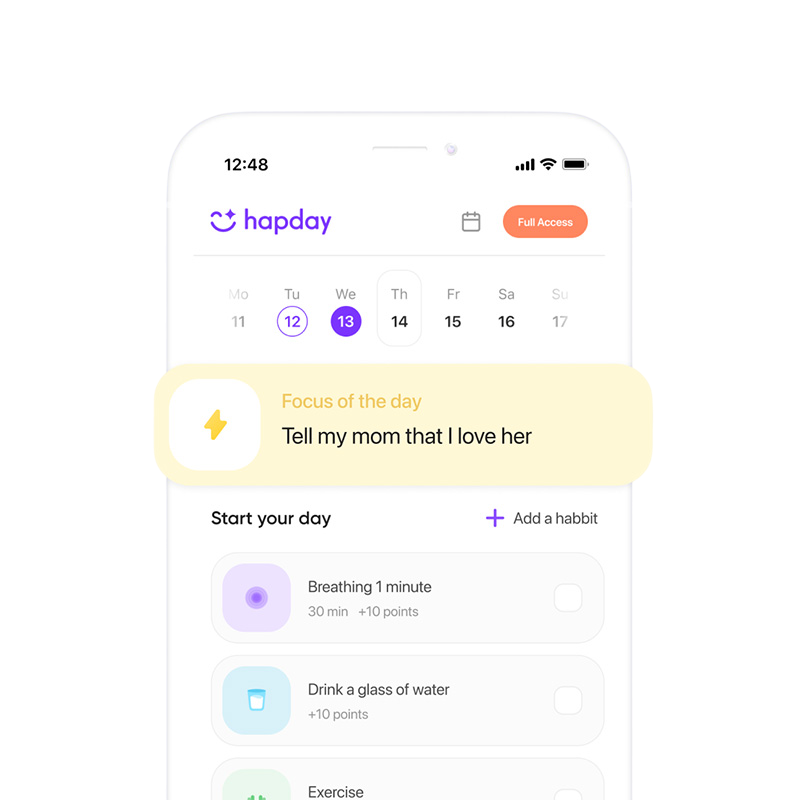
Get structured daily support for your childhood trauma recovery with guided programs and bite-size tools at hapday.me. Start here: https://hapday.me/
The Bottom Line
Stalls are not failure; they’re signals. By tending to your body’s rhythms, practicing small brave acts in safe relationships, and choosing right-fit support, you expand choice in the present. Be kind, go small, repeat. Your body will learn. Your heart will catch up. Your life will widen.
References
- Centers for Disease Control and Prevention (CDC): Adverse Childhood Experiences (ACEs)
- Harvard Center on the Developing Child: Toxic Stress
- Mayo Clinic: PTSD — Symptoms and Causes
- American Psychological Association (APA): Psychotherapy Effectiveness
- National Institute of Neurological Disorders and Stroke (NIH/NINDS): Understanding Sleep
- Harvard Health Publishing: Mindfulness meditation may ease anxiety and stress
- Harvard Health Publishing: The power of self-compassion
- Harvard Health Publishing: The health threat of loneliness