



You catch yourself apologizing for things that aren’t your fault, saying yes before you’ve checked in with your body, and reshaping yourself to be “easier” so no one gets upset. Walking away from yet another lopsided conversation, you wonder—How did I learn this? If you grew up scanning for danger and smoothing it over, you may be carrying a fawn response from childhood into your adult life. This guide explores how to heal from childhood fawn response with science-backed tools, compassion, and steady practice. It’s a human process, not a quick fix. I’ve watched people reclaim their voice inch by inch; it’s slower than we wish, but sturdier, too.
Image alt: person practicing grounding breath outside, learning how to heal from childhood fawn response
Table of Contents
- What Is the Fawn Response, and Why It Forms
- How Fawning Echoes in Adult Life
- The Healing Path: Safety, Self, Skills, and Support
- Start with Safety in Your Body
- Name the Pattern with Compassion
- Rebuild Preferences and Boundaries in Small, Safe Experiments
- Reparent the Part of You That Learned to Appease
- Practice Relational Safety and Co‑Regulation
- Upgrade Conflict Skills Without Self-Abandonment
- Tend the Lifestyle Levers That Support a Calmer Nervous System
- Therapy That Helps Untangle Fawning
- A Gentle, Realistic Timeline
- When Safety Right Now Is the Priority
- Putting It All Together: Daily Rhythm
- The Bottom Line
- References
Key Takeaways
- The fawn response is a survival adaptation rooted in neurobiology and learning, not a character flaw.
- Healing starts by calming the nervous system, then practicing awareness, preferences, and boundaries in small steps.
- Self-compassion, co‑regulation, and conflict skills help replace automatic appeasing with choice.
- Lifestyle supports (sleep, movement, nourishment) make boundary work easier and steadier.
- Trauma‑informed therapies (somatic, CBT, DBT, EMDR, groups) provide structure and safety for change.
What Is the Fawn Response, and Why It Forms
The fawn response is a survival strategy: appeasing, people-pleasing, and erasing your own needs to prevent conflict or regain safety. It often develops in homes where love felt conditional, anger could explode, or neglect made you perform for scraps of care. We often glamorize “the nice one” in families and offices more than we should; often it’s a child’s clever adaptation wearing a smile.
It isn’t a character flaw; it’s neurobiology plus learning. When your nervous system detects threat, it triggers the stress response—heart rate rises, muscles tense, stress hormones surge. When escape or fighting isn’t safe, the body can drift toward freezing or appeasing to minimize harm. Appeasement has parallels with “tend-and-befriend” responses identified in stress research—seeking closeness to reduce danger. Over time, the brain wires efficiency pathways: appease fast, avoid pain.
For many of us, this wiring began early. The CDC estimates that about 61% of adults report at least one Adverse Childhood Experience (ACE), and 1 in 6 report four or more, which raises risks for later mental and physical health challenges. Globally, the World Health Organization notes that 1 in 4 adults report being physically abused in childhood, and nearly 3 in 4 children aged 2–4 experience regular physical punishment or psychological aggression from caregivers. In 2021, a Lancet Psychiatry commentary called ACEs “a public health shadow.” If this was your landscape, it makes sense your system learned to fawn.
“People don’t fawn because they’re weak; they fawn because, once upon a time, it worked. Healing means updating an old solution in a safer present.”
— Dr. Lena Ruiz, Licensed Clinical Psychologist and Trauma Therapist
How Fawning Echoes in Adult Life
When Maya, 28, went through her divorce, she kept volunteering to help her ex move, make his appointments, even edit his résumé—while her own life imploded. “If I stayed useful, no one would be mad,” she told me over tea in June. The grief underneath had no space to breathe.
For Jordan, 31, the office hero, burnout arrived like a wall. He never set limits, took on every emergency, and felt resentful and invisible. “I thought if I was indispensable, I’d be safe.” Patterns repeat until we interrupt them.
If this sounds familiar, your inner alarm might be misidentifying everyday differences, requests, or disappointment as threats. You race to fix or appease—even when it harms you. The good news: your nervous system is plastic. It can learn safety, choice, and repair. That’s the heart of learning how to heal from childhood fawn response. Tiny, behavioral experiments beat grand resolutions every time.
The Healing Path: Safety, Self, Skills, and Support
We’ll move through why each step works and what to do, at a humane, doable pace. No heroics required. Courage, yes; but in teaspoons.
Start with Safety in Your Body
Why this works
You can’t negotiate new behavior if your nervous system is flooded. Calming the body lowers the threat signal so your thinking brain can come back online. Slow, extended exhalations stimulate the parasympathetic nervous system, helping deactivate the stress response. Breath practices and mindfulness can reduce anxiety and improve emotion regulation. I’ve seen breath lengthen a pause into a boundary. It’s humble work that pays dividends.
How to do it
- Exhale longer than you inhale. Try 4 counts in, 6 counts out, for 3 minutes, twice daily. Pair it with a hand on your chest or belly.
- Orient to the room. Turn your head slowly and name 5 colors, 4 shapes, 3 textures. Tell your body, “We’re here. We’re safe enough.”
- Find glimmers. Notice micro-moments that soften you: warm mug, sunlight, your dog’s breath. Mark them: “This is safe.”
- Move the charge. Shake out your hands, bounce lightly, or stretch your back for one minute after a stressful interaction to discharge stored activation.
My take: if you only chose one practice for a month, choose the exhale. It’s the simplest lever with the widest reach.
Name the Pattern with Compassion
Why this works
Awareness turns on choice. When you name “fawning” in real time, you interrupt automaticity. Self-compassion stabilizes this process and is linked to less anxiety and greater resilience. Shame never taught anyone a sustainable new skill.
How to do it
- Create a Fawn Map. Over one week, jot down three columns after interactions: Trigger (what happened), Body (what I felt), Move (what I did to appease). End each note with one kind sentence to yourself: “Of course I tried to smooth it. I learned this young.”
- Choose a compassionate cue. When you notice yourself rushing to please, pause and press thumb to forefinger. Say quietly, “Slow is kind.” Then ask: “What would be 10% more honest right now?”
Rebuild Preferences and Boundaries in Small, Safe Experiments
Why this works
Fawning erases self. Reclaiming preference and boundaries restores a felt sense of identity. Assertiveness training improves self-respect and relationship clarity. Boundaries aren’t rude—they’re reportage of reality.
How to do it
- Practice micro-no’s. Start where the stakes are low: “I can’t do Friday, but I’m free next week.” “I’ll think about it and let you know tomorrow.”
- Use a pause buffer. Try: “Thanks for asking—let me check my capacity.” Buy time to consult your body.
- Write boundary scripts:
- Time: “I’m heading out in 10 minutes.”
- Emotion: “I want to talk, but I’m not available for yelling. Let’s try again later.”
- Work: “My plate’s full. Which task should I deprioritize if I add this?”
- Expect activation. After setting a boundary, your body might spike with guilt or fear. That doesn’t mean you did it wrong. It means your nervous system is learning new math.
“A boundary is not a wall; it’s a doorway with a doorknob on your side. Feeling wobbly at the doorway is normal while your system learns you’re still safe.”
— Dr. Priya Natarajan, Psychiatrist (Trauma & Attachment)
Reparent the Part of You That Learned to Appease
Why this works
Early experiences shape our internal stress systems and expectations of care. Chronic, unbuffered stress in childhood can disrupt brain architecture; healing is supported by safe, responsive relationships—even the one you build with yourself now.
How to do it
- Inner child check-ins. Close your eyes, picture your younger self at a time you remember fawning. Ask: “What did you need that you didn’t get?” Then offer it now in words: “You don’t have to fix to belong. I’m here.”
- Rehearse protection. Imagine stepping in as the adult you are today. “I’ll speak for us. We can leave if this isn’t kind.” Your body learns a new protector is present.
- Keep a photo nearby. When you’re tempted to overgive, look at your younger self and ask, “Would I want this child to say yes to this?” Let that answer guide your choice.
Practice Relational Safety and Co‑Regulation
Why this works
We heal in connection. Social support is a powerful buffer against stress; supportive relationships build resilience and help regulate emotions.
How to do it
- Share your pattern with one safe person. Use this script: “If I seem to agree quickly, I might be fawning. I’m practicing pausing. I’d love your patience.”
- Seek reciprocal spaces. Choose friendships and communities that notice your needs, invite your no, and celebrate honest differences.
- Try co-regulation. Sit with a trusted person, match breath for a minute, or place your backs together and breathe slowly. Let your nervous systems sync and settle.
Upgrade Conflict Skills Without Self-Abandonment
Why this works
Fawning often hides a lack of conflict tools. When you have language and steps, your body feels safer staying present. Evidence-based therapies teach emotion regulation and interpersonal effectiveness.
How to do it
- Use the DEAR format (from DBT’s DEAR MAN):
- Describe: “When deadlines shift last minute…”
- Express: “…I feel overloaded and anxious.”
- Assert: “I need two days’ notice for new tasks.”
- Reinforce: “That helps me deliver quality work.”
- Keep it “one ask per breath.” Don’t stack six requests into one conversation. Simpler is safer.
- Close the loop. After a boundary, check your body. Do one regulating action (walk, shower, breathe) to complete the stress cycle.
Tend the Lifestyle Levers That Support a Calmer Nervous System
Why this works
Sleep, movement, and nutrition aren’t side quests—they’re the foundation your emotional work stands on. Exercise reduces stress reactivity and improves mood; mindfulness improves attention and reduces rumination. Under-slept bodies say “yes” too fast just to get through the day.
How to do it
- Sleep as boundary practice. Protect a consistent wind‑down: dim lights, screens off, light stretch, and a page of “worry dump” writing.
- Move for mood, not metrics. Ten minutes counts. Think nervous system hygiene, not performance.
- Eat regular meals. Blood sugar crashes mimic anxiety and can push you into appeasing just to end discomfort. Keep snacks near.
- Digital boundaries. Silence notifications after work, batch messages, and give yourself “no-reply” hours.
Therapy That Helps Untangle Fawning
Why this works
Trauma‑informed therapy provides a safe container to notice the impulse to appease, feel the old fear without drowning in it, and practice new relational moves. It’s not indulgent to seek help; it’s practical.
Options to consider
- Somatic therapies: build body awareness and regulation so you can choose, not react.
- Trauma‑focused CBT: links thoughts, feelings, and behaviors; challenges the belief “I must keep everyone happy to be safe.”
- EMDR: helps reprocess stuck traumatic memories so present-day cues feel less threatening.
- Group therapy: practices boundaries and truth-telling with real people in real time.
What to ask a therapist
- “How do you work with appeasement or people-pleasing rooted in trauma?”
- “How will we pace exposure to conflict so my nervous system stays within capacity?”
- “Can we include skills for boundary-setting and body regulation?”
“We go at the speed of your body. Your no is welcome here, and we’ll practice it until it feels like home.”
— Jamal Brooks, LCSW, Somatic Therapist
A Gentle, Realistic Timeline
Healing from childhood fawning is not a 30‑day challenge. It’s a season of practicing small, consistent shifts:
- Weeks 1–4: Learn to downshift your nervous system daily. Track two fawn moments per week without judgment.
- Months 2–3: Add micro‑boundaries in low‑stakes settings. Celebrate every pause before yes.
- Months 4–6: Share your pattern with trusted people; practice one medium-stakes ask or no each month. Notice that the world doesn’t end—and repair if needed.
- Beyond 6 months: Refine conflict skills, ask for preferences, and choose relationships aligned with your truth. Expect relapses during stress; return to basics without shame.
When Safety Right Now Is the Priority
If you’re currently in a relationship or environment that is emotionally, physically, or sexually abusive, your fawn response might be protecting you today. Your first job is safety, not perfect boundaries. Reach out to local resources, healthcare providers, or trusted contacts, and consider making a safety plan. You deserve support and protection while you consider next steps. No article is worth more than your current safety—ever.
Putting It All Together: How to Heal From Childhood Fawn Response in Daily Life
Here’s a simple daily rhythm you can adopt:
- Morning: 3 minutes of 4–6 breathing, set one intention: “I’ll pause before I answer.”
- Midday: Body check-in after a key interaction: “Did I appease? What did that protect? What did it cost?”
- Evening: One boundary or preference expressed, however small. Log it. Give yourself credit.
- Weekly: One honest conversation with a safe person where you do not over-explain your no.
And remember: you’re not fixing a personality. You’re updating a nervous system.
The Bottom Line
If you learned to appease to survive, you can learn to choose to thrive. Healing blends body regulation, self-compassion, clear boundaries, and safe relationships, supported by evidence-based therapy. Tiny, honest steps count—and they add up. Every time you anchor your breath, name your need, or practice a small no, you’re not being “difficult.” You’re coming home.
References
- Harvard Health Publishing – Understanding the stress response
- Harvard Health Publishing – Relaxation techniques: Breath control
- CDC – Adverse Childhood Experiences (ACEs) Fast Facts
- World Health Organization – Child maltreatment
- Harvard Center on the Developing Child – Toxic Stress
- Mayo Clinic – Assertive communication
- American Psychological Association – Building your resilience
- NIMH – Psychotherapies
- Harvard Health Publishing – Exercise and mental health
- NCCIH, NIH – Mindfulness
- The Guardian (2022) – Reporting on loneliness trends and health impacts
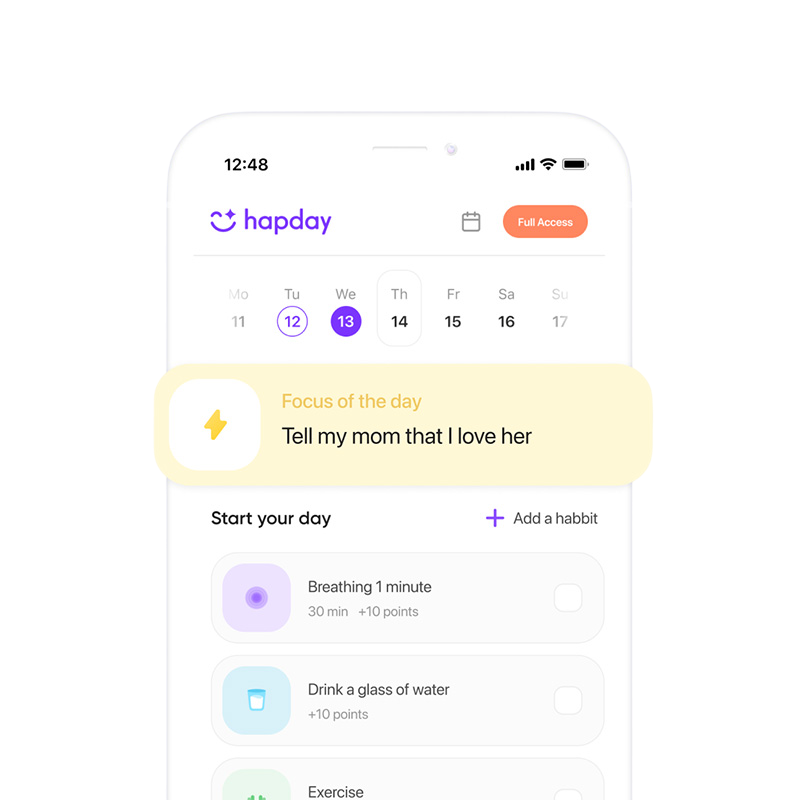
Summary and next step: If you learned to appease to survive, you can learn to choose to thrive. Healing blends body regulation, self-compassion, clear boundaries, and safe relationships, backed by evidence-based therapy. Tiny, honest steps count. Ready for guided structure and daily support? Try hapday.me’s self-healing programs for nervous system care, boundary skills, and inner child work: https://hapday.me/