



The fight starts because they were late. Again. Your voice edges up; your ribcage feels tight; heat climbs your neck. They say, “I texted you,” and somehow what lands is, “You don’t matter.” In that instant, you’re not only the adult at the kitchen table—you’re also the kid on a dim porch, tracking headlights that never turn in. If this scene rings like a bell, it’s not because you’re dramatic. It’s because the past sits inside the present, patient and persistent. This is exactly where inner child healing can change how you love.
Inner child healing is the steady, practical work of recognizing the parts of you formed by childhood trauma, emotional neglect, or mixed messages about love—and learning to meet those parts with care now. Do that, and relationships stop reenacting yesterday’s wounds. They become rooms where growth, intimacy, and repair can actually happen. That’s my bias after 15 years covering trauma recovery: this work is hard, and it’s worth it.
Image description: a couple practicing inner child healing during a calm conversation at home.
Table of Contents
- Why the Past Shows Up So Loud in Love
- How Inner Child Healing Changes the Way You Relate
- Why Your Relationships Need Inner Child Healing
- What Inner Child Healing Looks Like (And Why It Works)
- Common Patterns You Might Recognize
- Practices for Inner Child Healing You Can Do Together
- How To Know It’s Working
- Safety Note
- If This Sounds Overwhelming, You’re Not Behind
- Closing: Love That Includes All Of You
- The Bottom Line
- References
Key Takeaways
- Your nervous system carries childhood survival wiring into adult love; inner child healing helps you respond with care instead of reflex.
- Safety, needs, and repair are the core trio that transform recurring fights into opportunities for trust.
- Small, repeated practices—self-soothing, clear requests, and shared repair plans—rewire patterns over time.
- Attachment styles are lenses, not life sentences; consistent new experiences soften old defenses.
- Change is possible and measurable: shorter fights, faster calm, and kinder self-talk are signs it’s working.
Why the Past Shows Up So Loud in Love
If your early years were marked by inconsistent caregiving, biting criticism, or a quiet that swallowed feelings whole, your nervous system learned to stay braced. The Centers for Disease Control and Prevention has reported that roughly 61% of adults have lived through at least one adverse childhood experience (ACE), and nearly 1 in 6 report four or more—linked to higher risks of depression, anxiety, substance use, and even intimate partner violence in adulthood. That’s not a sentence. It’s a map. Childhood adversity is about survival wiring; as adults, those reflexes can hijack closeness before we’ve had time to blink.
Researchers at Harvard’s Center on the Developing Child have shown that toxic stress in early life can disrupt brain architecture, shaping how we register threat and safety. Translation: your partner’s changed tone can ping as danger before your thinking brain comes online. The National Institute of Mental Health notes that trauma-related hyperarousal, avoidance, and intrusive memories can echo in relationships long after the event itself. I’ve seen this in interviews again and again—people asking, “Why am I here when I know better?” Because a body can still be scared even when a mind is informed.
Attachment patterns—those first blueprints for closeness—grow in the same soil. The American Psychological Association describes attachment as an enduring emotional tie that guides our need for proximity, security, and comfort. Unpredictable caregiving can seed anxious attachment (craving closeness, fearing loss). Emotionally distant caregiving can set up avoidant patterns (prizing independence, flinching from too much intimacy). These aren’t verdicts; they’re lenses. Inner child healing helps you adjust the lens so you can see your partner—and yourself—more clearly. My take? Labels only help if they lead to kinder action.
“Your partner isn’t causing all your pain; they’re often stepping on an old bruise. Inner child work helps you tell the difference between the bruise and the moment, so you can ask for care instead of going to war.”
— Aisha Rahman, PsyD
How Inner Child Healing Changes the Way You Relate
Think of inner child healing as a renovation, not a teardown. The house stands. You reinforce shaky beams. You rewire the circuits so sparks don’t keep turning into fires.
-
Safety before strategy. When you learn to regulate your nervous system, a raised eyebrow stops reading like a siren. Why it works: calming practices cue safety, dampening the brain’s alarm so the thinking brain returns before the survival brain bolts. In my reporting, this single shift shortens arguments more than any “I” statement script.
-
Needs over narratives. Instead of “They don’t care about me,” you can name “I need reassurance when plans change.” Why it works: translating reactions into needs interrupts shame and blame; couples step out of spirals and into solvable territory.
-
Repair over perfection. Inner child work accepts that messiness is human—and centers repair. Why it works: repeated experiences of safe repair lay down new neural pathways for trust, undoing some of what early adversity taught. No relationship I’ve covered has thrived without this muscle.
Mini story: When Maya, 28, finalized her divorce, she could trace every fight to a single panic: if her partner traveled, she felt abandoned. Through inner child work, she followed that feeling back to childhood nights spent awake, waiting for a parent who often didn’t return. With that insight, she learned to soothe the part of her that equated “alone” with “unsafe.” When she began dating again, she was candid: “When plans change, I get anxious. What helps is a quick check-in and a clear next plan.” The outcome wasn’t zero anxiety—it was a relationship where her needs could stand in the room without shame. That, in my view, is progress.
Why Your Relationships Need Inner Child Healing
Because love is the place where old survival strategies either get recycled—or rewritten. Without this work, we tend to keep:
- Picking the same partner in a different body.
- Over-functioning to earn love, then simmering with resentment.
- Shutting down to avoid conflict, then feeling lonely beside someone we adore.
- Reading neutral behavior as danger—and reacting in ways that push connection away.
The World Health Organization has documented the long tail of childhood maltreatment on mental health and relationship functioning worldwide. The CDC’s research links high ACEs with risks that fray adult bonds—intimate partner violence, depression, alcohol misuse. Inner child healing doesn’t erase what happened; it stops the past from running the entire show. My take? It’s the difference between fate and practice.
“Couples don’t just have communication problems—they have nervous system problems. When two dysregulated inner children drive the car, every speed bump feels like a cliff. Inner child healing teaches both partners to take the wheel with steadier hands.”
— Mateo Ruiz, LMFT
What Inner Child Healing Looks Like (And Why It Works)
-
1) Befriending Your Triggers
Why it works: Triggers are unprocessed memories and meanings tethered to your threat system. Name them and you reduce amygdala hijack; the prefrontal cortex can help you choose differently.
How to try: Keep a “trigger map” for two weeks. Note the situation (“they didn’t text back”), the body signal (tight chest), the story (“I’m not important”), and the need (reassurance, clarity on timing). Share the need when calm.
-
2) Reparenting Yourself
Why it works: Consistent self-soothing gives your nervous system the predictability it missed, building new associations with safety.
How to try: Create a 10-minute daily ritual that signals safety to younger you—hand on heart with slow breaths, a warm drink in silence, or a line in a notebook: “Today, I will protect you.”
-
3) Mindfulness to Interrupt the Spiral
Why it works: Mindfulness reduces rumination and stress reactivity, lowering emotional volatility in conflict.
How to try: In the heat of it, name 5 things you see, 4 you feel, 3 you hear. Then say: “I’m feeling scared/angry/sad. I want to stay connected; I need a pause and will return in 20 minutes.”
-
4) Updating Attachment Styles Together
Why it works: Attachment styles aren’t fixed identities; they soften through consistent, corrective experiences.
How to try: If you lean anxious, request specificity—a time for the next talk, a brief “thinking of you” text. If you lean avoidant, practice micro-sharing—two sentences a day about your inner world. Tiny, daily edits beat grand vows.
-
5) Therapy as a Rehearsal Space
Why it works: Evidence-based trauma therapies help process memories and reduce symptoms that strain relationships.
How to try: Ask therapists about trauma training, how they work with attachment styles, and how they include partner dynamics. Consider a blend of individual and joint sessions.
-
6) Boundaries that Protect Love
Why it works: Boundaries reduce resentment and overextension—common legacies of childhood trauma and emotional neglect.
How to try: Use a boundary sandwich: appreciation + limit + alternative. “I love talking before bed, and I can’t do heavy topics after 10 p.m. Can we schedule tough stuff for Sundays after breakfast?”
Case study: Jordan, 33, used to slam doors mid-argument and vanish for hours. Raised in a home where anger meant danger, he learned that silence kept him safe. Through inner child work, he realized his shutdowns terrified his partner, who carried an anxious attachment style. Together they practiced a code phrase—“I’m flooded; I need 30”—and a nonverbal hand squeeze to signal care before taking space. Conflict didn’t disappear; abandonment terror and withdrawal panic eased. They were building a new “us,” one small agreement at a time.
Common Patterns You Might Recognize
- The Overachiever Caretaker: You anticipate needs, overgive, then feel invisible. Inner child work asks: What if I’m worthy without fixing? Practice: say one “no” this week to something you take on out of fear, not love.
- The Ghoster in a Relationship: You stay, but you don’t let anyone all the way in. Inner child work asks: What made closeness unsafe? Practice: tell your partner one fear you usually hide, then breathe together for one minute after.
- The Fire Alarm Texter: A hint of distance, and your phone lights up. Inner child work asks: What would “safe alone” feel like in your body? Practice: 5-5-5 breathing (inhale 5, hold 5, exhale 5) before sending the third message.
- The Conflict Historian: You archive every wound to feel prepared. Inner child work asks: What repair do I need that the list can’t give? Practice: lead with one vulnerable truth and one specific request.
“Small wins rewire safety. You don’t need a grand breakthrough. Ten good repairs beat one perfect conversation.”
— Kim Nguyen, MD
Practices for Inner Child Healing You Can Do Together
Make security a shared project, not a scorecard about who’s right.
-
Build a “Relationship First Aid Kit”
Why it works: Planning repair reduces panic and shortens recovery after fights.
How to do it: In a calm moment, list three grounding moves you’ll both use—drink water, step outside, 20-minute pause with a return time. Add two phrases you agree are soothing, like “We’re on the same team” or “I want to understand you.” Tape it inside a cabinet.
-
Weekly State of Us
Why it works: Regular, low-stakes check-ins prevent resentments from calcifying.
How to do it: 20 minutes, phones down. Each person shares: one appreciation, one thing that felt hard, one small request for the week. Keep it measurable: “If you’re running late, please text me before the start time.”
-
Attachment Styles Micro-Experiments
Why it works: Systematic, small changes teach your nervous systems that different outcomes are possible.
How to do it: Pick one behavior each (anxious: pause before reassurance-seeking, ask directly after; avoidant: stay one breath longer in eye contact, reflect one feeling word). Repeat daily for two weeks and compare notes.
-
Story Swap
Why it works: Context softens conflict. Knowing the childhood door a trigger walks through increases empathy.
How to do it: Take turns sharing a 10-minute story about an early experience that shaped how you handle closeness or conflict. The listener mirrors back the need they hear: “Little you needed consistency.” Then agree on one way to honor that need this week.
How To Know It’s Working
- Fights get shorter and kinder, even if they still happen.
- You name needs sooner and with less apology.
- Your body returns to baseline faster after a bump.
- You feel a new tenderness—for yourself, then your partner.
Safety Note
If your relationship is unsafe—if there’s intimidation, coercion, or violence—your first step is protection, not introspection. Inner child work thrives in safety. For resources: CDC—Intimate Partner Violence.
If This Sounds Overwhelming, You’re Not Behind
Maybe you’re thinking, “I’ve tried to change; nothing sticks,” or “My partner won’t do this with me.” That ache is real. Many of us met adult responsibilities with a child’s toolkit. The encouraging truth, backed by decades of research, is that nervous systems are plastic—changeable—through new, repeated experiences. The American Psychological Association underscores that resilience can be learned and strengthened. You don’t have to heal everything to love better. You only have to begin offering tiny, consistent doses of safety—first inside you, then between you. Start where you are.
Closing: Love That Includes All Of You
Your relationships don’t need another script for the “right” way to communicate. They need a more honest reckoning with the child inside who learned to work too hard for crumbs, to hide feelings to stay loved, or to run to survive. Inner child healing is how you stop abandoning that kid when love gets real. It’s the difference between reliving your story and rewriting it—together. So the next time your chest tightens over a late text, pause. Hand to heart. A quiet acknowledgment: “I see you. I’m here.” Then tell your partner what you need now. That’s not weakness. That’s leadership—and tenderness in action.
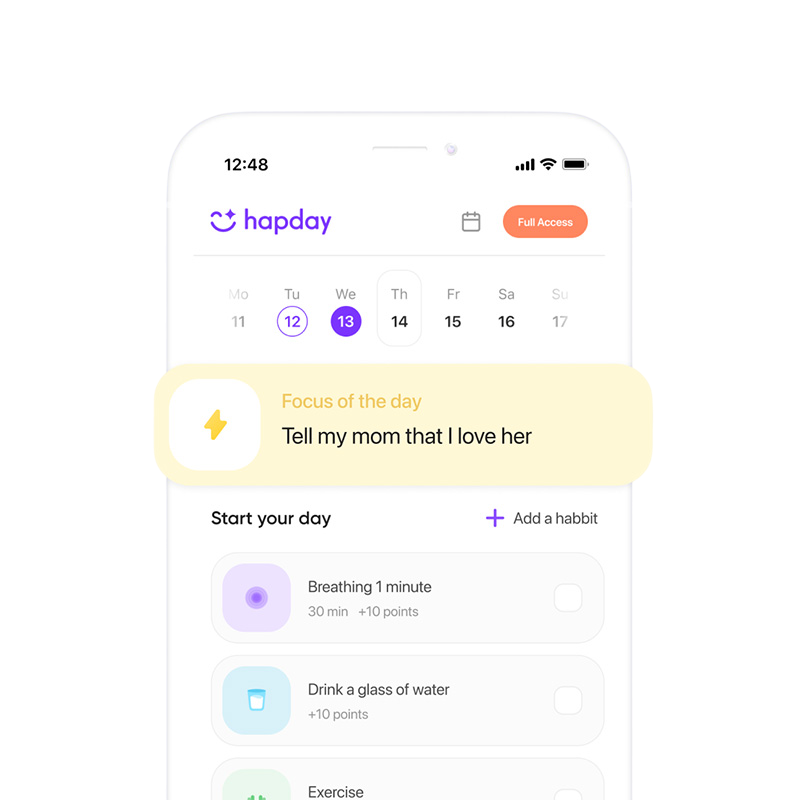
Summary and next step: Your past shapes how you love—but it doesn’t have to script it. By tending to triggers, updating attachment patterns, and practicing repair, you can build steadier, warmer bonds. Want support you’ll actually stick with? Start guided, daily inner child healing at hapday.me. Build skills, regulate your nervous system, and grow real resilience with compassionate tools and community.
The Bottom Line
Inner child healing turns old survival patterns into present-day choices. With small, consistent practices—self-soothing, clear requests, and committed repair—you can make your relationships safer, kinder, and more resilient. You don’t need perfection to change the story; you need repetition and care.
References
- Centers for Disease Control and Prevention (CDC) – Adverse Childhood Experiences (ACEs) Fast Facts
- Harvard University Center on the Developing Child – Toxic Stress
- Harvard University Center on the Developing Child – Brain Architecture
- American Psychological Association (APA) – Dictionary of Psychology: Attachment
- National Institute of Mental Health (NIMH) – Post-Traumatic Stress Disorder
- National Center for Complementary and Integrative Health (NCCIH) – Meditation and Mindfulness
- American Psychological Association (APA) – Clinical Practice Guideline for the Treatment of PTSD
- World Health Organization (WHO) – Child Maltreatment Fact Sheet
- Centers for Disease Control and Prevention (CDC) – Intimate Partner Violence