



Table of Contents
- The Lingering Shadow of Emotional Abuse
- Understanding and Identifying the Scars
- Healing is Possible—and Uniquely Yours
- Self-Compassion: The Healing Balm
- Seek Professional Support: Therapy and Guidance
- Rebuilding Relationships: Forming a Support Network
- Inner Child Work: Rediscovering Joy
- The Journey Forward: Empowerment and Growth
- The Bottom Line
- References
Key Takeaways
- Emotional abuse leaves deep, often invisible scars that affect adult relationships and self-esteem.
- Understanding one’s trauma and its effects is crucial for healing and growth.
- Healing requires self-compassion, professional support, and a strong support network.
- Engaging in inner child work can help rediscover joy and nurture neglected parts of oneself.
- Healing is a personal journey, marked by courage, reflection, and the empowerment to create a new narrative.
The Lingering Shadow of Emotional Abuse
Childhood emotional abuse operates in the shadows—subtly weaving its impact through insults left unchecked and neglect cloaked in silence. It’s different from physical abuse; its scars, while invisible, are profoundly pervasive, deeply setting into one’s subconscious and ripping apart patterns in adulthood. Back in 2021, the American Psychological Association suggested that such experiences could contribute to enduring low self-esteem and difficulties in forming healthy relationships, while potentially escalating anxiety and depression.
The human brain, especially during childhood, remains vulnerable and receptive.
“Chronic trauma can really reshape neural pathways, influencing responses to life.”
— Dr. Bruce Perry, The ChildTrauma Academy
Understanding and Identifying the Scars
You may find yourself in familiar loops—thoughts or actions that seem entrenched in your being. Do persistent self-doubts or a fear of rejection sound familiar? These mirror emotional abuse’s scars. Recognizing specific manifestations in daily life is essential.
Take Jenna, 34, whose history of criticism left her plagued with self-blame. As a child, mistakes weren’t a chance for growth but a blight. Even a minor mishap at work would send her into spirals of self-loathing. You might resonate with this—an inner voice, harsh and inherited from external judgments, relentlessly echoing within.
Healing is Possible—and Uniquely Yours
Healing from emotional scars is anything but uniform—it’s a personal journey, peeling back layers of self-reflection, forgiveness, and self-esteem cultivation. Various paths may suit you:
1. Self-Compassion: The Healing Balm
One of the most daunting steps in healing is also foundational: showing kindness to oneself.
“Face hardship not with denial, but care.”
— Dr. Kristin Neff, Self-Compassion Expert
Why It Works: Self-compassion counters harsh self-criticism, introducing a nurturing voice that affirms your worth beyond past or present ordeals.
How to Practice:
- Initiate with affirmations that uplift rather than diminish.
- Engage in mindfulness meditation—acknowledging emotions without passing judgment.
- Celebrate your achievements, however modest, and realize it’s natural to stumble.
2. Seek Professional Support: Therapy and Guidance
Therapy often serves as a crucial catalyst for processing emotional trauma. Techniques such as Cognitive Behavioral Therapy (CBT) and Eye Movement Desensitization and Reprocessing (EMDR) are particularly advantageous.
Why It Works: CBT reforms negative cognition patterns post-abuse, while EMDR aids in processing traumatic recollections, reducing their residual hold.
How to Begin:
- Source therapists skilled in trauma recovery or addressing childhood neglect.
-
“Feeling secure and understood by your therapist is absolutely key to impactful healing.”
— Dr. Sarah Chen, Clinical Psychologist
3. Rebuilding Relationships: Forming a Support Network
Emotional abuse can corrode trust—making the formation of strong bonds challenging. Yet, embedding yourself within supportive circles can rewrite this narrative. Rebuilding this support system demands discernment and bravery.
Why It Works: Relationships provide reflections of your worth, reinforcing it. They become havens for safely expressing vulnerability.
How to Begin:
- Identify people who display genuine empathy.
- Engage openly about your needs and boundaries.
- Consider joining groups where shared experiences foster mutual understanding and connection.
4. Inner Child Work: Rediscovering Joy
Inner child work focuses on healing past emotional wounds that continue shaping adult behavior. It involves nurturing the long-neglected parts of oneself.
Why It Works: Reconnecting with the untouched joy and innocence, often buried by abuse, lets suppressed emotions be embraced healthily.
How to Practice:
- Delve into activities that captivated you as a child.
- Pen heartfelt letters to your younger self, filled with love and affirmations.
- Visualize comforting interactions with your inner child, offering the support they once missed.
The Journey Forward: Empowerment and Growth
Remember, this journey of healing—an ongoing odyssey—not a destination. It involves incessant self-reflection and adaptability.
“Trauma is less about what happens than what remains untouched inside in the absence of an empathetic presence.”
— Dr. Peter Levine, Somatic Experiencing Creator
These steps may feel immense, yet facing discomfort with courage rekindles your narrative. Maya confided, “Facing your past is tough, but embodying your story instead of letting it define you is liberating.”
Realize, you are shaped not by scars but by the courage to transcend them. Healing is a reclamation of power—a stand for your own needs and a step toward the life you envisage. You’re penning a new story: one of resilience and hope.
Your journey is your own—not defined by timelines but enriched by compassion and courage. As you tread forward, remain gentle with yourself and treasure every small stride taken.
The Bottom Line
Healing from childhood emotional abuse is a deeply personal journey that requires self-reflection, kindness to oneself, and the courage to seek help. Embrace the process, acknowledge your progress, and remember that reclaiming your power is possible.
References
- American Psychological Association
- Harvard University
- University of Texas at Austin
- Mayo Clinic
- Cleveland Clinic
- National Institutes of Health
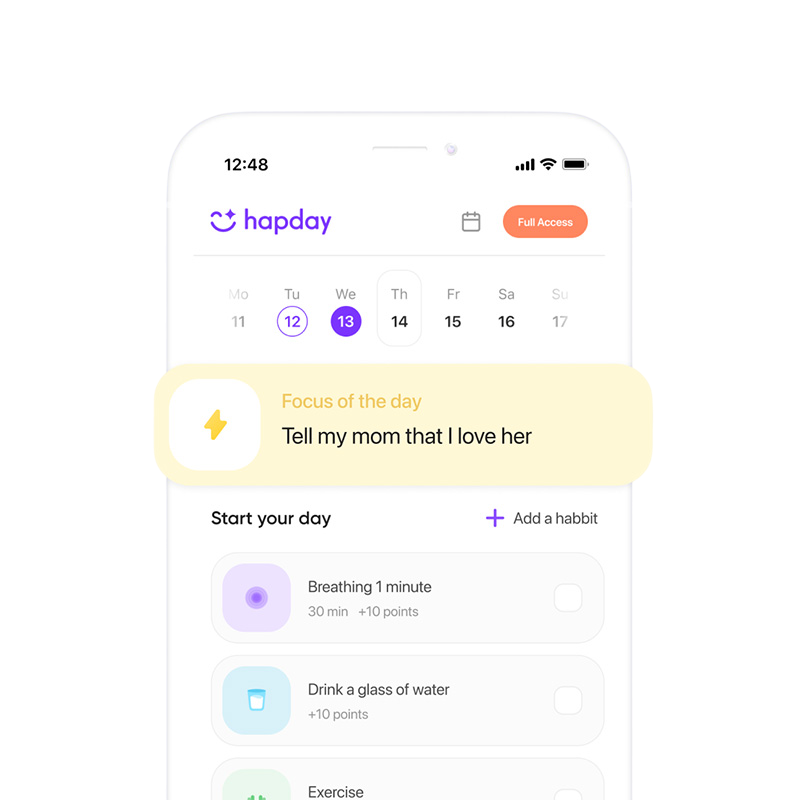
Considering a guiding hand on your journey? Delve into hapday.me, a wellness platform offering guided self-healing programs and sustained emotional growth support. Explore tools that speak to you, aiding your path forward.