



Table of Contents
- Introduction
- Why Adult Children of Toxic Parents Miss Their Own Red Flags
- Sign 1: You Apologize for Existing (Chronic Self-Doubt and the Inner Gaslighter)
- Sign 2: People-Pleasing Feels Safer Than Honesty
- Sign 3: You’re Hypervigilant to Tone, Looks, and Silence
- Sign 4: Boundaries Feel Like Betrayal
- Sign 5: Feelings Are Either Too Much—or Nothing at All
- Sign 6: Perfectionism Runs the Show
- Sign 7: Relationships Swing Between Clingy and Avoidant
- Sign 8: You Were the Family’s Fixer—and Now You’re Tired
- Sign 9: Your Body Keeps the Score: Sleep, Headaches, Gut Flares
- What Helps Adult Children of Toxic Parents Heal Without Self-Blame
- Everyday Tools That Fit a Busy Life
- When Contact with Toxic Parents Is Part of Your Life Right Now
- A Gentle Note on When to Seek More Support
- What to Tell Yourself the Next Time the Phone Lights Up
- Closing Words for Adult Children of Toxic Parents
- Quick Summary and Next Step
- The Bottom Line
- References
Key Takeaways
- Many adult behaviors like people-pleasing, hypervigilance, and perfectionism began as childhood survival strategies—and can be unlearned.
- Healing starts with regulating the nervous system, naming patterns, and practicing small, consistent boundary and honesty “reps.”
- Supportive relationships help recalibrate stress responses; skills can replace shame where guidance was missing.
- Grieving unmet needs makes room for self-belonging; progress is measurable in how quickly you return to center.
- Track your body’s signals and protect sleep; plan and practice limits for safer contact with triggering people.
Introduction
On a Tuesday afternoon, your parent’s name flashes on your screen and your stomach flips. You draft three replies, searching for one that reads “civil enough.” You send it, then replay the exchange for hours. I’ve heard this story in interviews since 2012; I’ve lived versions of it, too. If it rings true, you may be one of many adult children of toxic parents who are learning—slowly, methodically—to stop re-enacting yesterday in today’s relationships.
You’re not an outlier. The CDC’s Adverse Childhood Experiences (ACEs) data shows roughly 61% of adults report at least one childhood adversity, and about 1 in 6 report four or more. Those early patterns correlate with anxiety, depression, and even chronic illness across the lifespan. Researchers call it “toxic stress,” a long-haul activation of the body’s alarm system that can reshape immunity and metabolism. But the picture isn’t bleak. Brains remain plastic. Bodies recalibrate. With support, shifts are not only possible; they’re trackable. That’s my professional view, and I think it matters.
“Toxic parents teach children that love is conditional, feelings are risky, and needs are negotiable. In adulthood, those lessons pose as personality. They’re not. They’re survival codes—and codes can be rewritten.”
— Dr. Amina Patel, PhD, Licensed Psychologist
Below are nine signs many adult children of toxic parents struggle with—and how to start untangling them with compassion, science, and doable steps.
Why Adult Children of Toxic Parents Miss Their Own Red Flags
When a parent is unpredictable, dismissive, controlling, or chronically critical, a child’s nervous system adapts to endure. The Center on the Developing Child at Harvard has described how persistent stress shifts attention toward threat and away from rest-and-digest. You become skilled at scanning, smoothing, shrinking. Those behaviors kept you safe then. Now, they drain you. In dozens of case files and kitchen-table conversations, I’ve seen the same arc: adaptation, then exhaustion.
Sign 1: You Apologize for Existing (Chronic Self-Doubt and the Inner Gaslighter)
What it looks like:
- You say “sorry” when someone else bumps into you.
- Your inner monologue cross-examines: Are you sure? Did you overreact? Prove it.
- Neutral feedback feels like a verdict.
Why this happens: Gaslighting—being pushed to doubt your perception—erodes trust in your own reality. Over time, a parent’s story becomes the voice in your head. The American Psychological Association defines gaslighting as manipulating someone into questioning their sanity or memory. A child aligns with the parent’s version to survive. As an adult, the tape keeps playing. In my view, self-doubt is rarely a flaw of character; it’s a scar.
Try this:
- Name the voice: “That’s the old critic.” Externalizing it lets you observe without obeying.
- Keep a “reality record”: brief notes of what you saw, heard, and felt during charged moments. Evidence steadies you in your own experience.
Sign 2: People-Pleasing Feels Safer Than Honesty
What it looks like:
- You read the room before you read yourself.
- You’d rather carry resentment than risk someone’s disappointment.
- You overcommit quietly, then burn out quietly.
Why this happens: Appeasement once reduced conflict and bought small scraps of approval. Neurologically, it soothed an agitated system. Mayo Clinic notes that anxiety conditions sensitize the body to potential threat; people-pleasing becomes preemptive regulation. I think of it as emotional weatherproofing—effective in storms, suffocating in sunlight.
Try this:
- Micro-honesty: one-sentence truths that feel 5% brave, not 100% terrifying. “I can’t take that on this week.” The nervous system builds tolerance in small, repeated reps.
Sign 3: You’re Hypervigilant to Tone, Looks, and Silence
What it looks like:
- A sigh across the room lands like a siren.
- You spot micro-shifts in mood before anyone else.
- You cannot exhale until you’ve “fixed” the atmosphere.
Why this happens: Unpredictability trains you to be a human radar. The Harvard center’s work shows ongoing stress keeps the alarm switched on. That’s an adaptation, not a moral failing.
“Hypervigilance is your body trying to love you—by predicting pain. Healing asks us to teach the body that safety can exist without constant scanning.”
— Dr. Elena Novak, MD
Try this:
- Sensory anchors: carry a grounding object (smooth stone, a small vial of lavender). When you catch yourself scanning, spend 30 seconds with one sense. Signal “safe enough” to your body first, then your mind.
Sign 4: Boundaries Feel Like Betrayal
What it looks like:
- Saying no unleashes disproportionate guilt—or panic.
- You over-explain limits, as if asking permission to have them.
- With family, you freeze, fawn, or give in—then resent it later.
Why this happens: In many toxic homes, a child’s separateness is punished. Boundaries are framed as disrespect. No wonder your body reads them as danger. And yet, healthy limits are how adult relationships hold.
“Boundaries aren’t walls. They’re agreements that make closeness sustainable. If love requires self-erasure, it’s not love. It’s compliance.”
— James Rios, LCSW
Try this:
- Boundary scripts: “I’m not available for that.” “I’ll call you Sunday.” Practice in low-stakes settings (group chats, appointments) to build muscle before family dynamics. And remember: a boundary is about your behavior, not its approval.
Real-life moment: When Lila, 25, stopped answering midnight calls from her mother, her hands shook for a week. She set a window—texts before 8 pm—and used “Do Not Disturb” overnight. Two months in, she said, “I’m not waking up afraid anymore.”
Sign 5: Feelings Are Either Too Much—or Nothing at All
What it looks like:
- Tears at commercials, numbness during big moments.
- You can explain emotions but cannot feel them in your body.
- Partners call you “too sensitive” or “distant,” sometimes within days.
Why this happens: If emotions were mocked, minimized, or weaponized, your system likely learned two strategies: amplify to be seen or shut down to stay safe. The World Health Organization has reported that exposure to maltreatment raises risk for emotional dysregulation. From my perch, neither pattern is defective; each is protective.
Try this:
- Name and locate: choose three feeling words daily and note where they land (tight jaw, warm chest, hollow stomach). Building interoception invites safe, manageable contact with feeling.
Sign 6: Perfectionism Runs the Show
What it looks like:
- Worth equals performance.
- Minor mistakes feel catastrophic.
- Rest feels dangerous—like you’ll fall behind or be found out.
Why this happens: When approval hinged on achievements (grades, compliance, appearance), perfectionism became your shield. Anxiety thrives on “what ifs,” and perfection hunts for certainty that life will not offer. Mayo Clinic’s overview of anxiety confirms persistent worry and restlessness even when triggers are unclear. My take: perfectionism is an armor that eventually bruises the wearer.
Try this:
- “Good enough” reps: deliberately submit or share work at 90%, not 110%. Track outcomes. Reality often contradicts the fear story, loosening perfectionism’s grip.
Case example: Devin, 31, wept in his car after a strong performance review because a single typo was flagged. In therapy, he practiced sending emails without triple-checking. At first, his heart pounded. Three months later, he’d reclaimed five hours a week—and his weekends.
Sign 7: Relationships Swing Between Clingy and Avoidant
What it looks like:
- You chase when someone pulls away, then push when they come close.
- Trust feels like a trap; distance like starvation.
- Breakups land like abandonment, even when you initiated them.
Why this happens: If the source of comfort (a parent) was also a source of fear, your attachment system learned mixed messages. You crave closeness while bracing for harm. The result: push-pull patterns that confuse everyone involved. I’ve sat with many couples here; clarity takes time, and patience is not optional.
Try this:
- State your pattern out loud: “When I feel close, I sometimes panic and need space. I’m working on staying present.” Naming it builds accountability and invites collaborative repair.
Mini-story: During her divorce at 28, Maya realized she kept choosing men who felt like her father—charming, then cutting. She slowed the pace of intimacy, paired therapy with journaling, and practiced noticing green flags, not just the adrenaline rush of red ones.
Sign 8: You Were the Family’s Fixer—and Now You’re Tired
What it looks like:
- You parented your parent: soothing, solving, shielding siblings.
- At work and with friends, you default to caretaker.
- Asking for help feels selfish; receiving it feels unbearable.
Why this happens: Parentification—reversed roles where the child meets the adult’s needs—breeds chronic over-responsibility. It often hides behind praise like “so mature,” masking profound loneliness. The truth? Competence isn’t consent.
Try this:
- Responsibility audit: list what’s truly yours this week. For the rest, write “not mine,” and practice leaving it. Your worth isn’t a service; it’s a fact.
Sign 9: Your Body Keeps the Score: Sleep, Headaches, Gut Flares
What it looks like:
- Insomnia before family events. Tension headaches on Sundays. IBS flares during conflict.
- You say you’re “fine,” yet your body insists otherwise.
Why this happens: Chronic stress alters hormone rhythms and sensitizes the body to perceived threat. The National Institute of Mental Health notes sleep disturbance is common in trauma-related conditions. During 2020–2022, sleep clinicians reported spikes in stress-related insomnia; The Guardian covered that trend repeatedly. My bias here is clear: listen to the body early rather than later.
Try this:
- Pre-event care: schedule decompression before and after known triggers (a walk, therapy, a check-in with a steady friend). Guard sleep: consistent bedtime, dim lights, fewer screens. You’re offering your nervous system a safer container.
What Helps Adult Children of Toxic Parents Heal Without Self-Blame
Recovery isn’t about pinning everything on the past; it’s about reading the present with precision so you can choose differently. Here’s what the science—and lived experience—consistently suggest.
- Co-regulation comes before communication. Nervous systems sync. Before a hard call with a parent or a boundary talk with a partner: regulate. Breathe low and slow, splash cold water, step into sunlight. When the body quiets, words land. Harvard’s toxic stress framework underscores how predictable, supportive relationships help recalibrate stress systems over time.
- Skills over shame. You didn’t “fail” to have boundaries; you weren’t taught. Assertiveness is a skill. Practice tone and posture along with words. Stand with both feet grounded, voice steady. Write scripts that match your values, not your fears.
- Name it to tame it. Labeling your pattern—people-pleasing, perfectionism, hypervigilance—engages the prefrontal cortex, easing amygdala alarms. It’s not a cure-all, but it’s a lever that works more often than not.
- Attachment work is body work. Attachment style isn’t a diagnosis; it’s a map. Safe-enough relationships, including with therapists and friends, redraw expectations: being seen without punishment, saying no without losing love.
- Grief is part of growth. You may never get the apology you deserve. Grieving the parent you didn’t have makes room for the adult you are becoming.
“Letting go of the fantasy isn’t betrayal—it’s the beginning of belonging to yourself.”
— James Rios, LCSW
Everyday Tools That Fit a Busy Life
The 3-question check-in (morning or pre-text):
- 1) What am I feeling? (one word)
- 2) What do I need? (one action)
- 3) What’s one boundary or kindness I can offer myself today?
Why it works: It shifts you from autopilot to agency, strengthening self-attunement that was thin in childhood.
The “shorter text” rule:
- Draft the long, explain-heavy message. Don’t send it. Halve it. Then halve it again. Send the version that states your limit without performing your worth.
Why it works: It trims people-pleasing and over-explaining, which often backfire.
The repair script:
- “I got overwhelmed and shut down. I care about this and want to try again.”
Why it works: Restores relational safety after missteps without collapsing into shame.
The nervous system menu:
- Make a personal list of 10 sensory soothers (music in the car, a cold drink, weighted blanket, five-minute walk, shoulder rolls). Choose one before, during, and after contact with triggering people.
Why it works: The body holds stress; the body needs signals of safety.
When Contact with Toxic Parents Is Part of Your Life Right Now
- Make a boundary plan in writing: frequency of calls, topics off-limits, exit lines you’ll use if a line is crossed. Keep it brief, clear.
- Choose witnesses: one or two trusted people you can text before and after. Let someone hold the rope while you cross the bridge.
- Track impact: log sleep, mood, appetite, and anxiety for two weeks with and without contact. Data helps you decide from clarity, not guilt. Back in 2021, a Harvard-affiliated study noted how simple self-monitoring improved adherence to behavior change; I’ve seen the same in practice.
“Healing isn’t measured by how much you can tolerate. It’s measured by how consistently you honor your limits—and how quickly you return to yourself after being pulled off-center.”
— Dr. Amina Patel, PhD, Licensed Psychologist
A Gentle Note on When to Seek More Support
If you notice persistent insomnia, panic attacks, depression, or thoughts of self-harm, it’s time for additional care. Anxiety, sleep disturbance, and mood shifts are common—and treatable. Mayo Clinic and NIMH outline evidence-based options, from therapies to medication. Reaching out isn’t a failure; it’s maintenance.
What to Tell Yourself the Next Time the Phone Lights Up
You are not a crisis to be managed. You are a person with needs, boundaries, and a life that matters. The reflexes you built were brilliant in a home that wasn’t safe. Now you’re building new ones. It’s slower than anyone wants. It’s still worth it.
Image idea: A young adult journaling by a window at sunrise, a mug of tea nearby. Alt text: “Morning self-reflection for adult children of toxic parents practicing boundaries.”
Closing Words for Adult Children of Toxic Parents
If your days are shaped by self-doubt, people-pleasing, hypervigilance, perfectionism, wobbly boundaries, or a body that alarms at the slightest ripple, you’re not “too much.” You’re showing normal outcomes of abnormal conditions. With education, practice, support, and a measure of self-compassion, you can revise the script. Adult children of toxic parents do grow lives that feel calm, connected, and theirs.
Quick Summary and Next Step
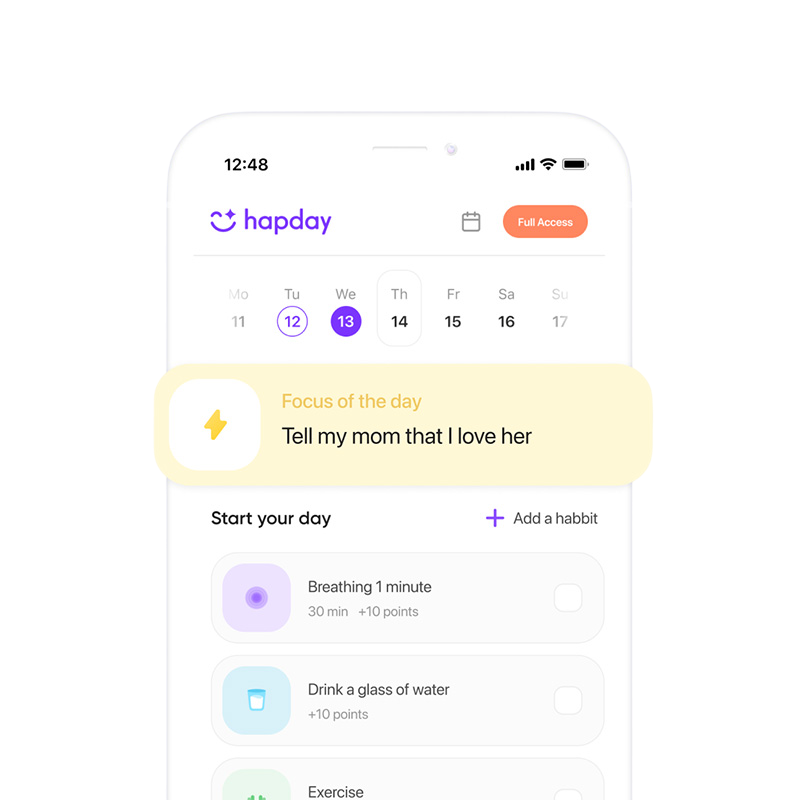
Many of us carry survival strategies from childhood—apology-reflexes, vigilance, over-functioning—that once kept us safe. Naming the nine signs, understanding the science, and taking small, body-first steps can reshape your nervous system and your relationships. You deserve ease and honest love. Bold move: get daily guidance and community support. Start with hapday.me’s guided programs: https://hapday.me/
The Bottom Line
Your patterns make sense—and they’re not your destiny. Begin with regulation, speak one honest line at a time, and protect your limits like your future depends on them. With steady practice and support, you can trade survival code for a life that feels safe, spacious, and yours.
References
- Centers for Disease Control and Prevention (CDC) – Adverse Childhood Experiences (ACEs) Fast Facts
- Center on the Developing Child at Harvard University – Toxic Stress
- World Health Organization (WHO) – Child Maltreatment
- Mayo Clinic – Anxiety Disorders: Symptoms and Causes
- National Institute of Mental Health (NIMH) – Post-Traumatic Stress Disorder
- American Psychological Association – Dictionary of Psychology: Gaslighting