



Table of Contents
- Understanding Childhood Trauma
- The Impact of Childhood Trauma on Adult Wellness
- Healing: The Journey to Adult Wellness
- Reconnection with the Inner Child
- Acknowledging and Validating Your Experiences
- Cognitive Behavioral Therapy (CBT)
- Practicing Self-Compassion
- Community and Connection
- Embracing New Beginnings
Key Takeaways
- Childhood trauma significantly impacts adult identity and emotional health.
- Neuroplasticity offers hope, allowing for emotional recovery regardless of age.
- Reconnecting with your inner child is crucial for healing.
- Self-compassion and community support are vital in the healing journey.
- Healing is a transformative process that unveils your true potential.
Understanding Childhood Trauma
Childhood, as many experts assert, lays down the foundation for our identity—our personalities, behaviors, even the way we interpret the world. When this critical phase is shadowed by trauma, whether it’s neglect, abuse, or witnessing chaos, it wreaks havoc on our development. The Centers for Disease Control and Prevention (CDC) indicates that adverse childhood experiences (ACEs) can elevate not only health risks but also profound emotional, social, and cognitive implications, eventually unfolding as conditions like anxiety or PTSD in adulthood.
“Our early experiences map our brain’s very architecture. Trauma during these pivotal times can derail normal neurodevelopment, impacting everything from emotional regulation to adult relationship patterns.”
— Dr. Sarah Chen, NYU
The Impact of Childhood Trauma on Adult Wellness
Take Maya, a 28-year-old in tech, for instance. Her third relationship gone awry in as many years left her with an unsettling void. She identified recurring themes of self-sabotage and emotional turbulence. Reflecting on her tempestuous upbringing, Maya came to realize her struggles were tangled roots of past childhood turmoil.
It’s not all bleak, though. Here’s the silver lining—neuroplasticity. The brain’s incredible ability to reorganize and forge new pathways means healing and transformation remain achievable, regardless of age. Remember a 2021 study by the National Institutes of Health? It emphasized that with dedication and targeted interventions, the brain’s adaptability can foster emotional recovery and positive changes.
Healing: The Journey to Adult Wellness
Reconnection with the Inner Child
Healing from childhood trauma often starts with reconnecting with our ‘inner child’—that part of us where childhood memories and beliefs quietly reside.
“You might feel a disconnect with parts of yourself. By engaging with your inner child, you begin to address those unmet needs and mend emotional scars.”
— Dr. Michael Eastwood, Trauma Therapist
One effective starting point? Try guided meditation. Envision your younger self and provide the comfort and love that may have been absent in those early years.
Acknowledging and Validating Your Experiences
Many end up minimizing their childhood ordeals, brushing them off as inconsequential. You perhaps tell yourself, ‘It wasn’t so bad’, or ‘others had it worse’. However, recognition is crucial. Dr. Eastwood firmly states, “It’s less about comparing traumas and more about how those events uniquely affected you.”
Keeping a journal can facilitate this acknowledgment. Pen your story, suspend judgment or comparison. Reflect on what occurred and the feelings it invoked. This exercise serves as a poignant affirmation that your experiences truly matter.
Cognitive Behavioral Therapy (CBT)
CBT ranks among the most effective therapies for ameliorating trauma-related symptoms. Through identifying and modifying harmful thought patterns, CBT lays the groundwork for healthier habits.
A notable study from the American Psychological Association underscored this, showing substantial symptom reduction—anxiety, depression—among those undergoing CBT after childhood trauma.
Exploring this avenue? Find a trained therapist to guide you through CBT, providing strategies for a more resilient mind.
Practicing Self-Compassion
For those recovering from childhood trauma, self-compassion acts as a strong remedy for self-criticism. The practice revolves around self-kindness and understanding—treating yourself as you would a dear friend.
“Self-compassion enables us to be more accepting of our experiences, forming a healthier relationship with pain.”
— Dr. Kristin Neff, Self-Compassion Expert
Community and Connection
Healing is not a solitary journey. Connecting with those who share similar experiences offers critical support and affirmation. Consider joining in-person or online support groups, where stories and healing strategies are openly shared.
“The power of shared narratives is immense—they break the isolation trauma often fosters, creating a sense of community and belonging.”
— Dr. Sarah Chen, NYU
Look into local support networks or online platforms dedicated to trauma recovery. By sharing your journey, you open doors to new insights and affirmations that promote healing.
Embracing New Beginnings
As trauma healing advances, subtle shifts can be observed—you might find yourself grounded in the present, less haunted by past wounds, forging healthier relationships. As with any recovery expedition, progress is non-linear yet brimming with growth potential.
Russell Brand, in his recovery narrative, aptly summarizes the process: “We are each on a journey of nurturing our soul, diligently piecing together fragments of our spirit to form a uniquely beautiful mosaic.”
Your story of healing intricately weaves a tapestry laden with resilience, strength, and newfound wellness. This isn’t merely about surmounting past trials; it’s about unveiling who you’re destined to become. Your history doesn’t dictate your future—it enriches it with deeper understanding and empowerment.
As you near this transformative path’s end, realize that healing is not only a way to achieve wellness; it lays the cornerstone of a life thoroughly lived. As you tend to your mind’s garden, it brims anew with seeds of hope, joy, and triumph over past adversities, awaiting the chance to grow.
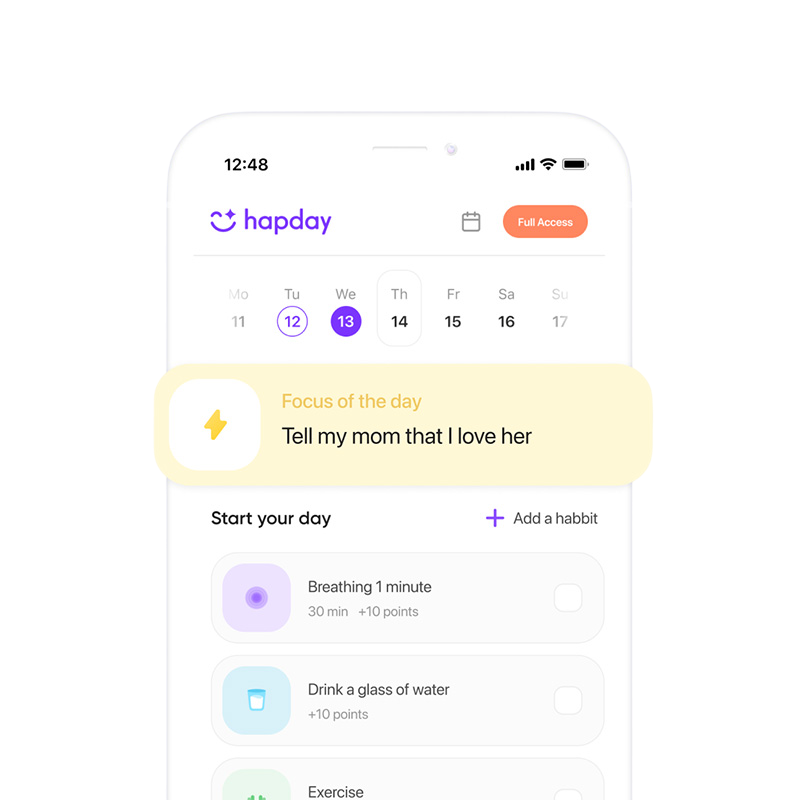
To embark on—or deepen—this healing journey, consider resources from platforms like hapday.me. They’re providing guided paths for self-healing and emotional growth. Check them out and start laying the groundwork for your adult wellness journey.
The Bottom Line
Healing from childhood trauma is a profound journey filled with potential for growth and transformation. By acknowledging your experiences, engaging in therapeutic practices, and fostering community connections, you can reclaim your life and nurture the inner garden that embodies your true self.