



Table of Contents
- Understanding the Impact of Emotional Abuse
- Recognizing the Signs
- The Science Behind Emotional Healing
- Steps Toward Healing
- When Healing Feels Impossible
- Empowering Yourself Through Understanding
- The Role of Forgiveness
- A Forward-Looking Closure
- References
Understanding the Impact of Emotional Abuse
Dr. Lisa Herman, a seasoned clinical psychologist in trauma recovery, notes,
“Emotional abuse is often dismissed because no visible marks are left behind, yet it profoundly impacts mental health.”
— Dr. Lisa Herman, Clinical Psychologist
Experiencing ongoing emotional trauma can alter your self-perception and disrupt your brain development.
Research backs this up. Back in 2021, studies published in the prestigious Journal of Adolescent Health highlighted the severe effects of emotional abuse, emphasizing that individuals exposed during childhood face significantly higher risks of mental health disorders in adulthood.
Recognizing the Signs
You might ask yourself: how can I tell if I was a victim of emotional abuse? Consider these introspective questions:
- Did caregivers frequently belittle or humiliate you?
- Were you regularly blamed for things outside your control?
- Was there a time when your feelings were often dismissed or invalidated?
If any of these experiences resonate, it’s possible you’ve endured emotional abuse. Recognition of these signs is a vital initial step in the recovery process.
The Science Behind Emotional Healing
The journey toward healing emotional wounds is more than just moving on — it’s about reshaping your brain. Recent neuroscience shows us that the brain’s neuroplasticity provides the ability to rewire itself. Practices such as mindfulness meditation have been noted to reduce amygdala activity (linked to stress) and foster healthier emotional processing — highlighted in a Harvard Health study not too long ago.
Steps Toward Healing
- Acknowledge Your Experiences: Suppressing past trauma isn’t a path to healing. It’s essential to acknowledge your experiences. Journaling can serve as a powerful tool. Write your feelings without judgment. This very act of acknowledgment is both empowering and necessary for moving forward.
- Seek Professional Help: A guide who grasps the intricacies of traumatic dynamics can assist in forging healthier patterns. Therapy equips you with the tools required for this inner restructuring. Approaches like Cognitive Behavioral Therapy (CBT) and Eye Movement Desensitization and Reprocessing (EMDR) are validated strategies for tackling trauma, as the American Psychological Association also outlines.
- Build Self-Compassion: Dr. Kristin Neff, a frontrunner in self-compassion research, suggests that
“Treating yourself with the same kindness you’d offer a friend can significantly impact your emotional well-being.”
— Dr. Kristin Neff, Self-Compassion Expert
Practice affirmations or maintain a gratitude journal to nurture self-compassion.
- Establish Healthy Boundaries: Setting boundaries is a reflection of self-respect. Start small by voicing your needs in less intimidating situations and gradually progress to more challenging ones. This skill not only safeguards your emotional space, but it also boosts self-esteem.
- Reconnect with Your Inner Child: Visualize your younger self and contemplate what they needed. Engage in activities that bring joy and healing — whether that’s painting, dancing, or even playing an instrument — activities that once brought happiness during your childhood.
- Build a Support System: Having people who understand or empathize with your healing journey can be transformative. Support groups or communities offer both validation and collective healing.
When Healing Feels Impossible
There will be days when it all feels overwhelming. Remember, healing isn’t linear. Dr. Herman wisely reminds us,
“Setbacks are okay. They don’t erase your progress; they’re a part of it.”
— Dr. Lisa Herman, Clinical Psychologist
Every step, including missteps, is crucial in your recovery journey.
Empowering Yourself Through Understanding
Understanding the cyclical nature of abuse can be empowering. Recognizing that patterns aren’t your fault and that they are identifiable cycles imparts a sense of detachment from them. The National Association for Mental Illness (NAMI) houses resources to help break these cycles.
The Role of Forgiveness
Forgiving doesn’t equate to forgetting or justifying harmful actions. It means relinquishing the power the person who hurt you holds over you. It’s about choosing peace — peace over pain.
A Forward-Looking Closure
Healing from childhood emotional abuse is a complex, deeply personal journey. It might take time, but every step forward stands as a testament to your resilience. You’re rewriting the narrative — one where you’re no longer imprisoned by your childhood, but the author of your own future.
Remember as you journey through healing: you’re not alone. Healing is an ongoing process, one that cultivates strength and wisdom over time.
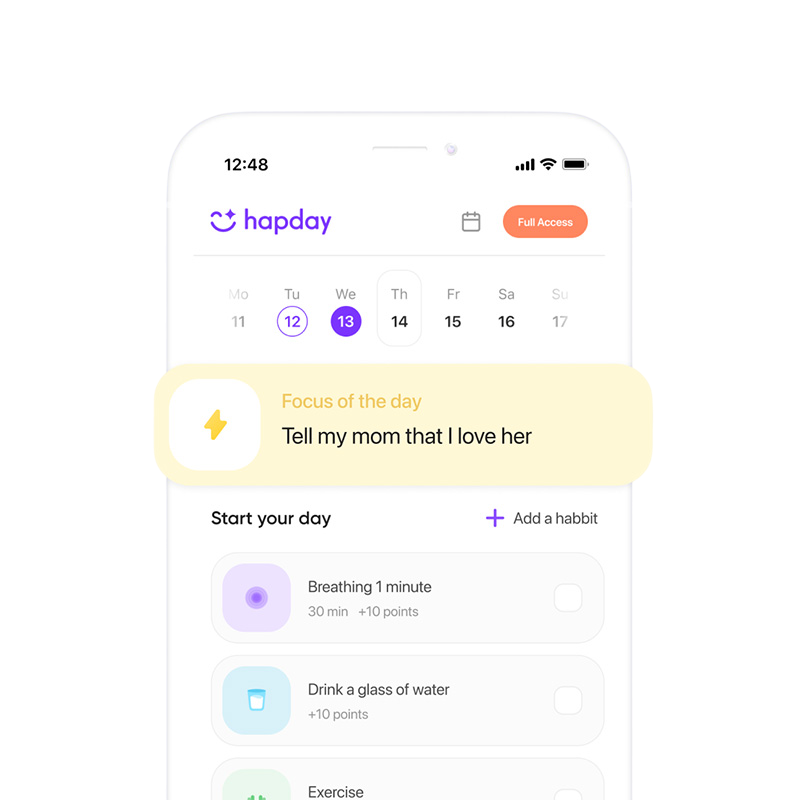
As you approach the junction of healing, embrace the inner strength to foster self-love, resilience, and peace. Explore helpful resources like hapday.me, offering guided self-healing programs designed to nurture your growth. Visit hapday.me now. Embrace this journey for a brighter tomorrow.
Key Takeaways
- Acknowledge past traumas to begin the healing process.
- Seeking professional help is vital for restructuring your emotional patterns.
- Practicing self-compassion can significantly improve emotional well-being.
- Establishing healthy boundaries is essential for safeguarding your emotional space.
- Understanding the cyclical nature of abuse empowers you to break free from harmful patterns.
The Bottom Line
Healing from childhood emotional abuse is a journey filled with ups and downs. Every step taken is a testament to your bravery and resilience. Remember, you’re not defined by your past, but by your capacity to heal and create a fulfilling future.
References
- Journal of Adolescent Health
- Harvard Health
- American Psychological Association
- National Alliance on Mental Illness