



Table of Contents
- When Shadows Linger Long
- The Science of Reclaiming Worth
- Pathways to Healing and Building Self-Worth
- Understanding the Path Ahead
Carrie, a gifted graphic designer in her late twenties, sat frozen when her boss sang praises of her latest project. Inside, a stubbornly familiar voice whispered, “You’re not worthy of this praise.” She muttered about “imposter syndrome,” but old, deep wounds told her otherwise. Her childhood, marred by a constantly critical parent, had left her in a relentless search for validation. Ever felt like you’re trapped in that same spiral? Well, you’re definitely not alone.
Exploring the scars left by childhood trauma isn’t easy, but it’s essential. It’s like tracing a map of where you’ve been, to know where you’re headed. In a 2021 issue of the American Journal of Psychiatry, a study hinted that adults pulling themselves out of abusive childhoods often find it hard to shake off feelings of worthlessness. It’s like carrying an invisible weight that subtly steers your relationships, career, and emotional health. Yet, this heavy baggage can be unpacked—a daunting but transformative task.
When Shadows Linger Long
Childhood trauma — imagine it as a heavy boulder crashing through a pristine landscape, leaving fractures, obvious and hidden. Dr. Sarah Chen from NYU compares it to a foundation laid askew. If negative, it hauntingly echoes into adulthood, obscuring potential. Emotional neglect, like Maya experienced in her divorce at age 28, cements patterns that need understanding—not condemnation—for what they are: remnants of early hurt.
The real tectonic shift happens when you finally see—and accept—that your flawed interpretations aren’t truths but echoes of your past. It’s tough. But possible.
The Science of Reclaiming Worth
Our brains are astonishingly pliable. This means, according to Harvard research, that those grooves etched by trauma are malleable, moldable into something new. Dr. Richard Davidson puts it this way: the brain is capable of adapting and forming new connections when given the chance. Grasping this gives hope—that change isn’t just possible, it’s probable.
Trauma rewires the brain, skewing responses towards anxiety or self-doubt. But here’s the twist: that’s not the end of the story. Re-storying your past involves sitting with it, acknowledging it, then slowly, deliberately moving forward.
Pathways to Healing and Building Self-Worth
Step 1: Acknowledge the Impact
Awareness—it’s an embarkation point. Keeping a journal or seeking therapy uncovers the roots of unworthiness clouding your self-view. You’re not defined by your trauma; you’re shaped by it. There’s a difference.
Step 2: Embrace Self-Compassion
“Self-compassion is a balm that encourages psychological health while snuffing out negativity.”
— Dr. Kristin Neff, Self-Compassion Researcher
Allowing compassion to soften self-criticism isn’t just soothing, it’s radical. It involves saying, “Here I am, flawed and learning. And that’s okay.” Practices like affirmations or mindful meditation serve as tools to chip away at the inner cynic slowly.
Key Takeaways
- Understanding the impact of childhood trauma is crucial in reclaiming self-worth.
- Embracing self-compassion aids in transforming negative beliefs and encourages healing.
- Nurturing supportive relationships can reshape narratives of doubt into acceptance.
- Establishing personal boundaries is essential for reinforcing self-worth.
Step 3: Transform Negative Beliefs
CBT offers structures to renovate the mind. Switching out “I can’t…” with “I am deserving…” is a process. Examine, challenge, and reshape those ingrained thoughts. Begin where you’re at, and use the tools at hand.
Reframe the Inner Dialogue
Writing down positive counterarguments to negative beliefs, unraveling those deceptive threads, can redefine your perception of self-worth.
Step 4: Nurture Supportive Relationships
“Healthy relationships mirror your worth.”
— Dr. Kimberly Young, Psychologist
Surrounding yourself with people who reflect back acceptance and kindness can reshape narratives of doubt into acceptance. Just like how Maya sought out friends who did this for her.
Step 5: Establish Boundaries
Boundaries—consider them as personal bastions. They safeguard your spirit. Consider how you interact and step back when situations drain you undeservedly. Speak your limits confidently to reinforce your sense of self.
Understanding the Path Ahead
Fostering self-worth post-trauma isn’t neatly sequential. It’s a zigzag, rife with breakthroughs and setbacks. Every step taken is affirming, even imperfectly so. Through scrutiny of trauma, nurturing compassion, rewriting beliefs, and solidifying connections, your journey inches toward an authenticity that’s always been yours, albeit buried.
Carrie, continuing through therapy and introspection, now celebrates her wins, no longer shadowed by an unrelenting past. Healing, like life, demands perseverance and courage, but every day etched with effort maps out a clearer path.
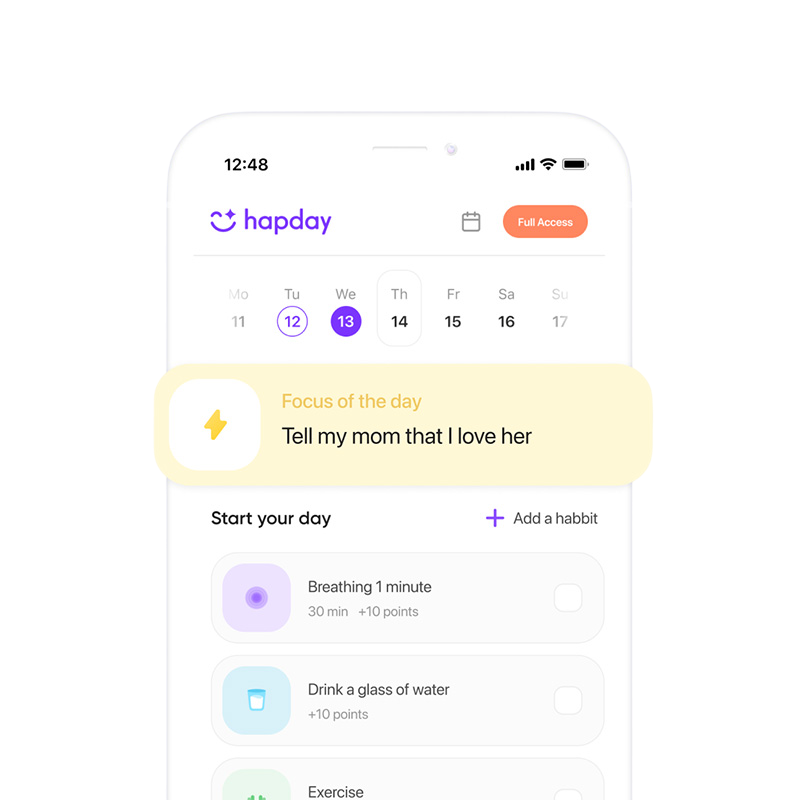
Embracing growth within a healing space can bring tangible change. For those seeking guidance in emotional restorative practices, resources like hapday.me partner you in self-recovery, aiming to realize personal development and deeper self-acceptance.
The Bottom Line
Fostering self-worth after childhood trauma is a transformative journey filled with challenges and victories. Each step taken fosters self-understanding, compassion, and a renewed sense of self, guiding you toward a more authentic existence.
References
- American Journal of Psychiatry
- Harvard University
- University of Texas
- National Institutes of Health (NIH)