



Table of Contents
- Unpacking the Long Reach of Childhood Trauma
- Self-Compassion: The Narrative Rewriter
- Therapy’s Role in Healing the Past
- Embracing Support Systems
- The Mindfulness and Meditation Connection
- Creativity: A Portal to Healing
- Physically Moving toward Wellness
- Setting Boundaries and Embracing Self-Care
Unpacking the Long Reach of Childhood Trauma
The shadows of childhood trauma linger long after they’ve cast their initial gloom. These early life experiences often interlace adulthood with whispers of doubt and echoes of past wounds. Take Sarah, for example. Here she is, in her 30s, standing at the precipice of a promising career and embraced by a circle of supportive friends. Yet, those hushed voices of inadequacy still haunt her. Perhaps her story mirrors your own, or that of someone you know. How, then, does one learn to navigate these shadows and cultivate wellness in adult life? Let’s delve deeper, shall we?
Before embarking on the healing journey, it’s vital to comprehend why childhood trauma so tenaciously imprints itself on adult life. The CDC’s research highlights that experiences such as abuse and neglect — termed Adverse Childhood Experiences (ACEs) — are often precursors to chronic health issues and emotional turmoil later on. It was back in the mid-20th century that John Bowlby and Mary Ainsworth introduced us to attachment theory. Their work underscored the impact of early caregiver relationships on our future bonds. Traumatic disruptions in these formative ties frequently result in a tapestry of adult insecurities and anxieties.
“Our brains get molded early on; trauma shapes our worldview.”
— Dr. Joseph Spinazzola
While this wiring can feel like a life sentence, it doesn’t have to be. Rewiring — healing — is possible. Indeed, it happens every day.
Self-Compassion: The Narrative Rewriter
One of the most transformative steps towards adult wellness is redefining the story you tell yourself. Consider Maya. At just 28, following a rough divorce, she found herself drowning in childhood echoes — shadows of her parents’ fights. She realized she’d been tiptoeing through life on foundations of fear and self-blame, feeling unworthy.
Enter self-compassion, a potent ally. Dr. Kristin Neff, an authority on the subject, points out the radical power in treating yourself with the same tenderness you’d offer a dear friend. Neff’s studies tie self-compassion to emotional resilience and an uplifted sense of self-worth. When you start practicing self-compassion, slowly but surely, those old labels of “flawed” or “broken” dissolve, revealing a core deserving of empathy.
How do you embark on this path? Simple affirmations can be a starting point—acknowledging emotions without harsh judgment. Writing letters to your younger self can soothe old wounds, rewiring your brain for safety and acceptance.
Therapy’s Role in Healing the Past
We’re often told therapy is key to healing childhood trauma. But why? Therapy offers a refuge, a structured space where past experiences can be explored and understood. Therapists well-versed in trauma, notably in methods like EMDR (Eye Movement Desensitization and Reprocessing), help reprocess entrenched traumatic memories.
“Therapy isn’t just revisiting pain—it’s about comprehension and forging new coping strategies.”
— Dr. Sarah Chen, Clinical Psychologist
For adults like Sarah, therapy unlocks paths to identify triggers and build healthy coping mechanisms.
Considering therapy? Seek out trauma-informed therapists who resonate with your journey. Interview them if necessary. This is your healing path—make sure it feels right.
Embracing Support Systems
Embarking on a healing journey shouldn’t be done solo. A nurturing support network can make a world of difference. Take Bianca’s story—a woman burdened by mistrust born from childhood neglect. Her leap of faith into a community yoga class opened doors to friendships based on mutual understanding and respect.
Social scientists have long acknowledged how human connections can buffer life’s stresses, counteracting feelings of isolation that trauma leaves behind. This isn’t just theory; it’s backed by research and lived experiences.
How do you stitch this support blanket? Dive into communities echoing your values, both online and offline. Nurture friendships with those who offer empathy, patience, and recognize your inherent worth.
The Mindfulness and Meditation Connection
Mindfulness and meditation—these are not mere buzzwords; they’re transformative tools in healing from trauma. These practices invite engagement with the present, attenuating the tumultuous stress responses common in those haunted by past traumas. Over time, they bolster emotional regulation and ease rumination on old wounds.
A study from the Journal of Traumatic Stress even revealed how mindfulness interventions notably decrease PTSD and depression symptoms by enhancing self-awareness. Just sitting with your breath can shepherd surprising calm into your life.
Want to give mindfulness a try? Start with just ten minutes a day. There’s no shortage of apps and online platforms offering guided sessions tailored for trauma survivors. Remember, this is a personal journey—there are no wrong turns.
Creativity: A Portal to Healing
Creativity offers another healing avenue. Whether through painting, writing, or dance—creative expression provides a sanctuary where emotions stir without needing words. Alex’s path illustrates this. His journey into art enabled him to transmute his childhood pain into beauty, offering healing without utterance.
Art therapy, facilitated by experts, can provide structured opportunities to explore trauma creatively.
Feeling an artistic tingle? Remember: It’s less about perfection and more about honest self-expression. Start a journal or a dance class—venture into crafts. Let yourself explore, sans judgment.
Physically Moving toward Wellness
Exercise is more than a simple mood booster; it’s a balm, particularly for trauma recovery. Physical activity floods the system with endorphins, helping mitigate stress and anxiety. A notable study in JAMA Psychiatry emphasized exercise’s uplifting effects on emotional well-being and resilience.
Adding physical activity into life coaxes improvements in both body and spirit, offering a routine and a sense of accomplishment. Practices like yoga and tai chi marry movement with mindfulness, doubling the benefits.
Pondering exercise? Choose an activity that feels rewarding, not obligatory. This is self-care on your terms—a personal promise to listen and honor what your body needs.
Setting Boundaries and Embracing Self-Care
A cornerstone of wellness, especially for trauma survivors, is the art of establishing boundaries and prioritizing self-care. Those with trauma histories often wrestle with saying no—fear of rejection or loss reigns. Yet, establishing boundaries isn’t merely protective; it’s an act of personal reverence.
Rebecca’s story embodies this. She learned the strength in walking away from toxicity, opting for relationships that honored her space and needs.
How can you articulate boundaries effectively? Identify what’s sacred to you. Articulate your needs with clarity and respect, practicing the word “no” without guilt. With time, these boundaries cease to be daunting and instead empower you.
Key Takeaways
- Healing from childhood trauma is a journey that involves understanding its long-term effects on adulthood.
- Self-compassion is critical for rewriting negative narratives and fostering emotional resilience.
- Therapy offers structured support to process trauma and develop new coping strategies.
- Building a supportive community is essential for alleviating feelings of isolation.
- Embracing mindfulness, creativity, and physical activity can significantly enhance wellness and recovery.
The Bottom Line
The shadows of childhood trauma may have lingered in your past, but they needn’t dictate your future. By fostering self-compassion, seeking therapy, embracing supportive minds, and nurturing mindfulness, creativity, exercise, and boundaries, you can transform the echoes of your history into a vibrant symphony of resilience.
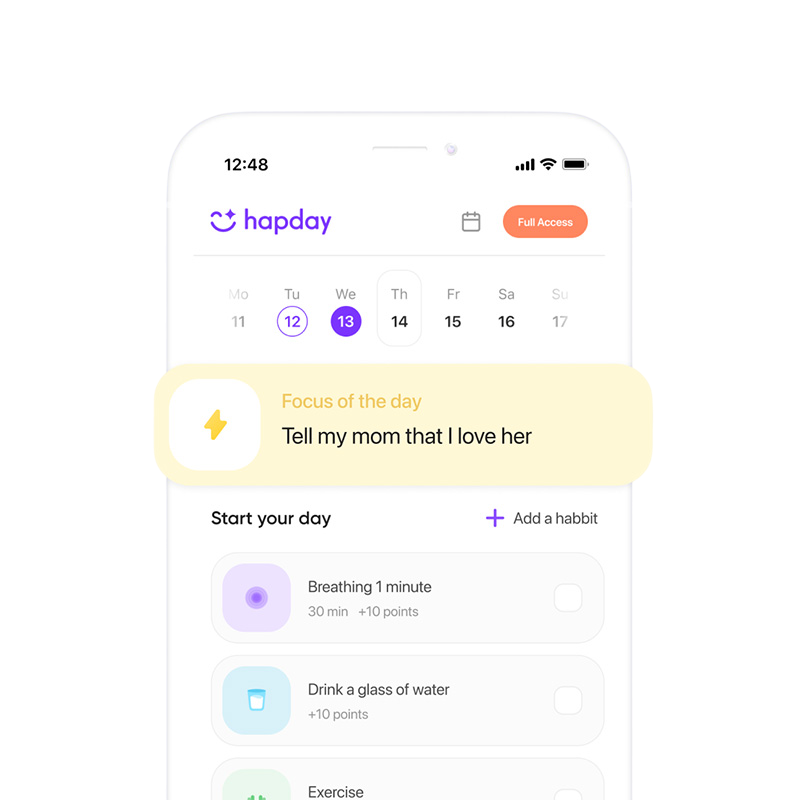
Remember: The path to healing is uniquely yours. Celebrate even the tiniest steps forward, and extend patience to yourself on this winding journey. For structured support and daily guidance navigating this road of discovery, resources like hapday.me can offer support. Visit hapday.me to begin a tailored journey of emotional growth and wellness.