



Table of Contents
- Understanding Childhood Emotional Abuse
- Recognizing the Patterns
- Why These Patterns Persist
- How to Begin Healing
- Transforming Pain into Purpose
- Embrace the Future
- The Bottom Line
- References
Key Takeaways
- Childhood emotional abuse can lead to persistent issues in self-worth and relationships.
- Recognizing patterns stemming from childhood experiences is crucial for healing.
- Professional support and self-compassion are essential elements in the recovery journey.
- Building supportive relationships and practicing mindfulness helps in emotional balance.
- Transforming pain into purpose can enhance personal growth and healing.
Imagine a small child sitting off to the side, silently observing the laughter and play that unfolds around them. They watch but don’t join in, burdened by a persistent feeling of not belonging—a sensation that claws at their sense of self-worth. This kind of child grows into an adult who continues to grapple with lingering shadows from their past. Wrestling with such deep-seated emotions isn’t uncommon. The path to healing from the patterns of childhood emotional abuse is as arduous as it is fulfilling.
“Childhood emotional abuse can leave scars that linger well into adulthood.”
— Dr. Sarah Chen, Clinical Psychologist at New York University
Understanding Childhood Emotional Abuse
When we hear “childhood emotional abuse,” we often think of neglect or overt hostility. But it’s subtler than that—like a faucet with a slow, ceaseless drip that eventually floods everything. It includes critical remarks, a lack of affection, or habitual indifference, all of which can insidiously warp a child’s developing mind.
Take Jess, for instance. She’s a 32-year-old designer who’s always felt overshadowed by her siblings. “Whenever I brought home an award,” Jess recalls, “my mother would respond with, ‘That’s good, but your sister got first place.'” Today, celebrating her achievements feels impossible without that ever-present whisper of inadequacy. According to research from the National Institutes of Health, children experiencing emotional neglect are more prone to developing anxiety and depression as adults. Spotting these patterns is the first, crucial step to healing.
Recognizing the Patterns
Ever felt stuck in a loop of thoughts or behaviors? It’s like you’re in a cycle you can’t quite break. These often spring from coping mechanisms formed in childhood. Common indicators include:
- Self-Criticism: An unrelenting internal judge inside your mind that probably echoes criticisms from your past.
- Fear of Rejection: A childhood history of exclusion may now manifest as social anxiety or an inability to truly embrace love.
- Attachment Imbalances: Fluctuating between clinging to others and pushing them away may signal deep-seated relational wounds.
Why These Patterns Persist
The brain—it’s an extraordinary entity, isn’t it? Forming habits and responses that were once helpful but eventually turn maladaptive.
“Our early experiences carve pathways in our brains,”
— Dr. Daniel Siegel, Psychiatry Professor at UCLA
shaping how we see the world and react to it even in adulthood.
These patterns are influenced by those early-formed neural pathways. They become well-trodden paths, making new learning tough yet not improbable. Notably, the prefrontal cortex, which manages decision-making and social actions, remains particularly sensitive to our early experiences, according to findings by Harvard University researchers.
How to Begin Healing
Healing isn’t a straight line—full of zigs and zags—but definitely worth the ride. Here’s a look at foundational steps that might help you reclaim your sense of self:
1. Acknowledge and Validate Your Experience
Dismiss the temptation to downplay your emotions or wave them off as ‘just life’. Every reaction is valid.
Why? Because understanding that your feelings served as protective mechanisms helps to put them in perspective (American Psychological Association).
How? Start keeping a journal. Write about specific childhood moments. Let your thoughts flow without self-critique. This can unburden your heart and facilitate healing.
2. Seek Professional Support
Therapists can be allies in dissecting complex emotions.
“Therapy creates a safe space to unpack emotional behaviors and gently explore their roots.”
— Dr. Sarah Chen, Clinical Psychologist
Why? These skilled professionals are equipped to help revise ingrained patterns and introduce fresh coping skills.
How? Search for a trauma-informed therapist familiar with childhood emotional abuse. Resources like Psychology Today’s directory can be a starting point.
3. Develop Self-Compassion
Shift from self-criticism to compassion by acknowledging your past doesn’t dictate your future.
Why? Research by Kristin Neff at the University of Texas shows self-compassion equates to improved emotional resilience and less depression risk.
How? Use daily affirmations. Consciously transform judgmental thoughts into supportive ones. Celebrate small wins.
4. Build Supportive Relationships
Being around people who appreciate and support you can dispel age-old feelings of unworthiness.
Why? Emotional abuse warps your self-worth. Positive relations can help amend this narrative.
How? Engage with like-minded groups or support networks. True connections nurture a sense of belonging.
5. Engage in Mindfulness Practices
Mindfulness serves as an anchor in the present, reducing the impact of past traumas.
Why? Studies indicate that mindfulness helps alleviate anxiety and depression by fostering emotional balance (Mayo Clinic).
How? Incorporate brief meditation practices into your routine. Apps like Headspace or Calm can guide your practice.
Transforming Pain into Purpose
Healing doesn’t erase pain; instead, you learn to rise above it. By transforming your pain into a purpose, you can find meaning in your experiences. Have you ever wondered if your experiences could drive you to assist others or fuel advocacy?
Take Maya, 28—after her divorce, she drew on her childhood feelings of invisibility. Volunteering with children in similar situations gave her a profound sense of purpose and healing.
Embrace the Future
Healing from childhood emotional abuse isn’t about rewriting your past; it’s charting a new course. Remember, healing is personal, unfolding at your own pace—it’s about retaking ownership of your narrative, learning to trust in yourself, and accepting who you truly are.
As you journey forward, know that you’re building robustness and courage. Your history shapes you, but it doesn’t limit who you can be; your future remains yours to craft.
The Bottom Line
Healing from childhood emotional abuse is a deeply personal journey that involves recognizing past patterns, seeking support, and developing self-compassion. Each step you take toward healing empowers you to reshape your narrative and embrace a brighter future.
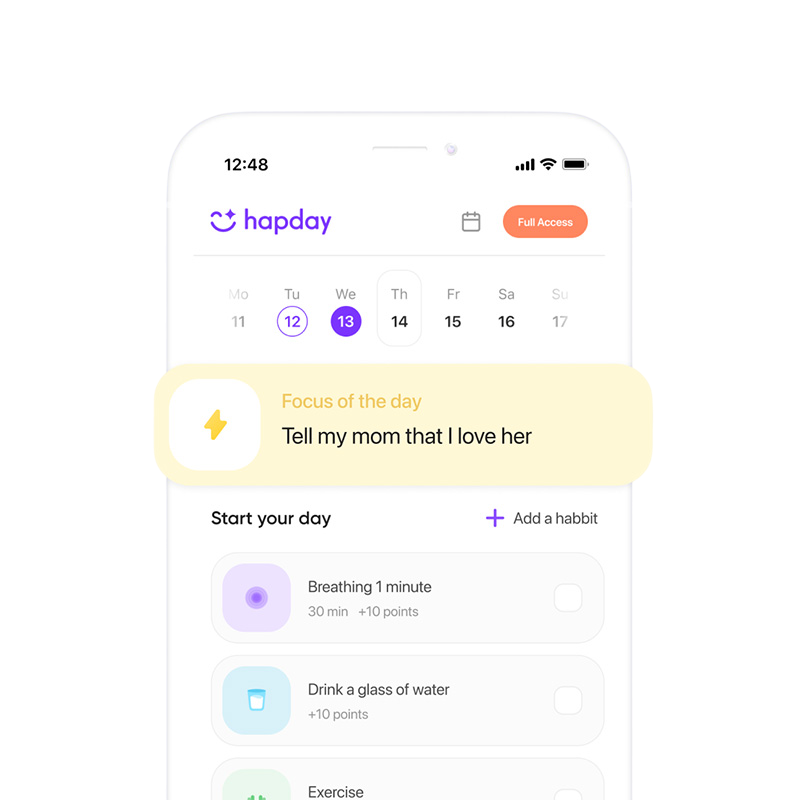
Begin your self-healing journey with structured guidance and daily support from hapday.me. Visit https://hapday.me now and explore wellness programs tailored for emotional growth.
References
- National Institutes of Health
- Harvard University
- American Psychological Association
- University of Texas
- Mayo Clinic