


Table of Contents
- Understanding Childhood Trauma
- Recognizing Childhood Trauma in Adulthood
- Why Healing Childhood Trauma Matters
- Embarking on the Journey of Healing
- Seeking Professional Guidance
- Engaging in Self-Care Practices
- Cultivating Mindfulness
- Setting Boundaries
- Reframing Negative Narratives
- Nurturing Growth Beyond Trauma
- Conclusion: Your Unique Pathways
Understanding Childhood Trauma
Children possess a remarkable resilience, yet their sensitivity to their environment is profound.
“Childhood trauma isn’t confined to dramatic episodes like abuse; it lurks in neglect, the absence of emotional allies, or even enduring a perpetually stressful home.”
— Dr. Sarah Chen, Clinical Psychologist at NYU
Such early experiences fracture a child’s sense of safety, etching beliefs that echo into adulthood.
Scientific discourse joins Dr. Chen’s perspective. Around 2021, the CDC highlighted how adverse childhood experiences (ACEs) — neglect, abuse— intertwined with chronic health dilemmas, mental challenges, and higher mortality rates in adults. Though years away, childhood shadows persist, tinting the ability to reflect and emotionally navigate adult landscapes.
Recognizing Childhood Trauma in Adulthood
Is there an undercurrent of anxiety or that nagging feeling of inadequacy clouding your life? Perhaps the roots dig back to unresolved childhood wounds. Maya’s tale resonates. At 28, amid her divorce’s turmoil, she unraveled a pattern of appeasement learned in her chaotic childhood. Patterns that had tangled her adult interactions, waiting to be disentangled.
Adult survivors manifest symptoms through struggles with substances, relationship troubles, or overachievement disguising deeper insecurities. One poignant revelation by the National Institute of Mental Health: nearly 5% of American adults battle PTSD — the silent echoes of unresolved childhood experiences.
Why Healing Childhood Trauma Matters
Pause before immersion in therapeutic strategies. Acknowledging why healing matters can strengthen resolve. Unburdening the past’s trauma liberates emotions, fostering healthier bonds.
“As trauma resolves, our brain’s response recalibrates, shedding stress-induced cortisol, fortifying resilience.”
— Dr. John Smith, Author of “Pathways to Recovery”
Embarking on the Journey of Healing
The odyssey of healing defies linearity. It’s deeply personal, yet tangible steps illuminate the way to weave a new life narrative.
Seeking Professional Guidance
Acknowledge and embrace the need for support—a pivotal beginning. Therapy emerges as a beacon, embodied in diverse forms such as cognitive behavioral therapy (CBT), eye movement desensitization and reprocessing (EMDR), and trauma-centered therapy.
“Therapy unveils a sanctuary to probe and reprocess trauma. EMDR, for instance, eases memory processing, focusing initially on cognitive realms, creating a simple, effective bridge.”
— Dr. Lisa Rodriguez, Trauma Specialist
Engaging in Self-Care Practices
Professional help walks hand in hand with self-nurturing. This evolves uniquely, perhaps in the form of activities that evoke joy—exercise, journaling, or nature’s embrace. Such endeavors gently stimulate the hippocampus, a restorative balm for stress tolerance.
Cultivating Mindfulness
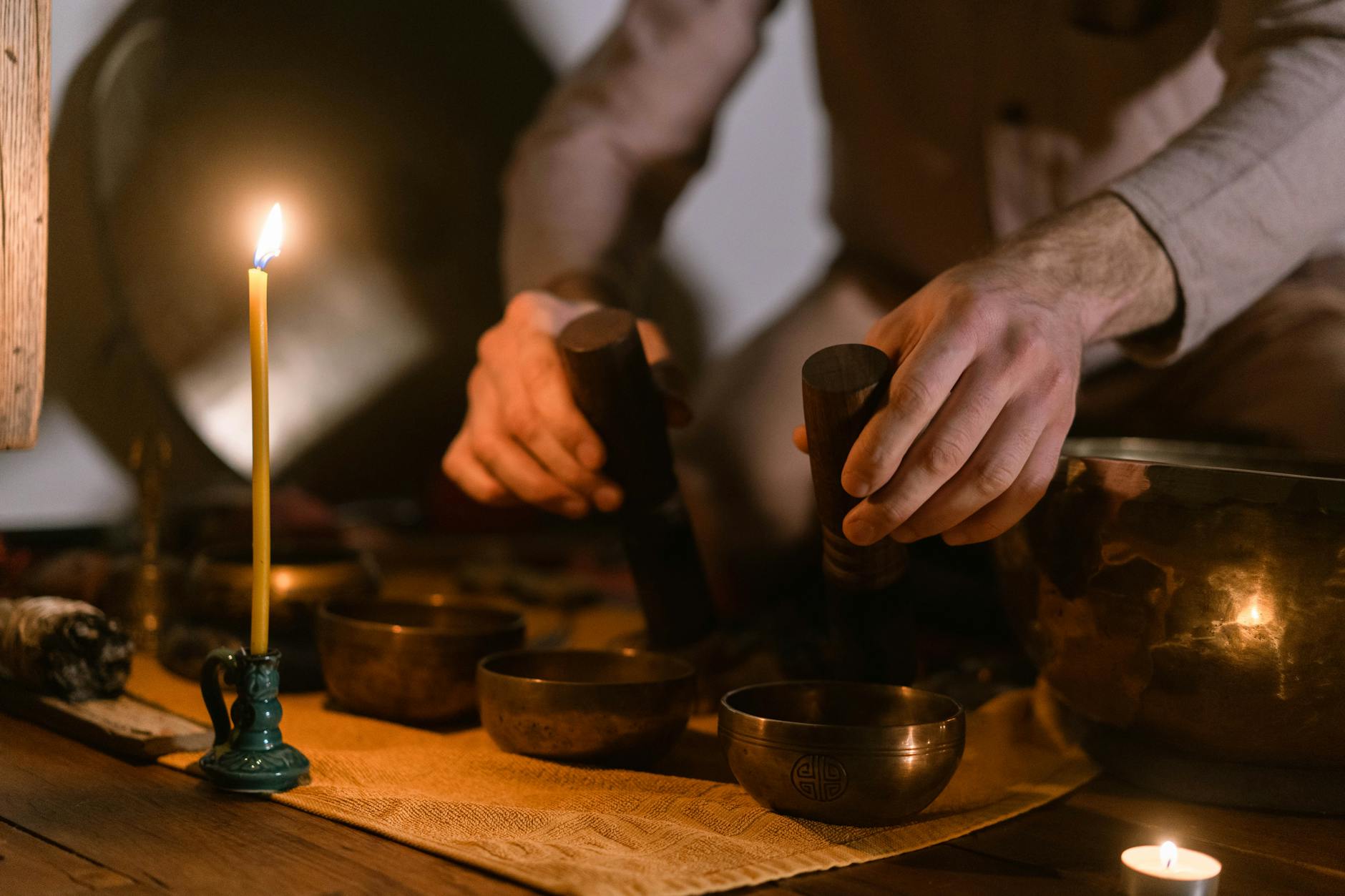
The “fight-or-flight” reflex often commandeers adults cloaked in childhood trauma. Mindfulness — perhaps through meditation or yoga — grounds individuals in the present, recalibrating stress responses and halting destructive mental cycles.
Setting Boundaries
Trauma blurs, even erodes, personal boundaries. Communicating these within relationships is crucial — clarifying personal requisites, fostering self-respect. A therapeutic exercise might involve documenting discomfort scenarios, identifying where boundaries shout for definition.
Reframing Negative Narratives
Negative self-beliefs, whispers of trauma, demand metamorphosis. Cognitive restructuring, a CBT hallmark, lends a hand here. One might shift from internal criticism — “I’m inadequate” — to an acceptance of the imperfect self as an evolving masterpiece.
Nurturing Growth Beyond Trauma
Healing gifts more than relief from pain; it casts wide open the doors to extraordinary growth.
“Encountering trauma heralds newfound meaning, resilience.”
— Dr. Bessel van der Kolk, Author of “The Body Keeps the Score”
Fostering Healthier Relationships
Understanding trauma reshapes relationship perspectives. Recognizing disparities between childhood needs and adult values empowers authentic, respectful connections.
Cultivating Self-Compassion
Self-compassion marks a key growth beacon, fostering a kinder internal dialogue often absent in childhood’s chaos. Imagine addressing yourself with the tenderness reserved for a friend in pain, inspiring gentle personal transformation.
Discovering Purpose and Fulfillment
Ultimately, the journey unveils life’s purpose, transforming a survival narrative into one of actualization and exuberance. By liberating oneself from past anguish, a fresh horizon unfolds.
Conclusion: Your Unique Pathways
If any of this narrative resonates, it’s a testament to your yearning for change. Healing from childhood trauma to embrace adult growth is equally challenging and liberating. Trust the voyage, for each step towards discovery is a triumph.
Healing transcends simply mending wounds; it’s about creating a vibrant existence. If you’re ready to explore deeper self-discovery, seek resources aligning with your journey.
Key Takeaways
- Childhood trauma affects adult life in profound ways, manifesting as anxiety and relationship struggles.
- Therapeutic strategies and self-care practices are vital for healing and personal growth.
- Mindfulness and boundary-setting are key components for navigating trauma recovery.
- Understanding trauma fosters healthier relationships and enhances self-compassion.
- Healing is a journey that leads to personal empowerment and the discovery of purpose.
The Bottom Line
Healing from childhood trauma is a courageous journey that leads to profound personal growth and resilience. Embracing the process allows individuals to transform their pain into purpose, fostering healthier relationships and a vibrant life.