



When Maya faced an agonizing divorce at 28, it awakened an ache she believed had sunk beneath the surface long ago. Her childhood, a battleground of unpredictability and neglect, left marks not easily erased by time. As she waded through the chaotic currents of her relationship, she found herself asking, “Am I chained, still, to these echoes of the past?” Maya’s story isn’t unique—far from it. For many adults, much like her, the specters of childhood trauma weave stealthily into the fabric of their adult lives, complicating emotional wellness and hindering life’s journey toward fulfillment.
Here’s an empowering reality check: Our past can’t be rewritten, but it can stop being the author of our future. So, how does one nurture wellness in adulthood after childhood trauma? Let’s unfurl this path together, step by mindful step.
Table of Contents
- The Lingering Shadow of Childhood Trauma
- Trauma’s Ripple Effect on Adult Life
- Building a Sanctuary for Recovery
- Professional Support: A Trusted Hand
- Fortifying Emotional Resilience
- Rewriting Your Personal Narrative
- Fostering Healthy Relationships
- Charting a Path Forward
- Embracing Every Step Toward Wellness
The Lingering Shadow of Childhood Trauma
Childhood trauma isn’t a monolith. It can be loud—blatant abuse—or as subtle as the deadly quiet of emotional neglect. Back in 2019, the CDC discovered a startling fact: about 61% of adults in 25 states had faced at least one adverse childhood experience. Quite the statistic, isn’t it? But why do these past experiences still matter? Because trauma doesn’t rest only in the mind; it rewires the brain.
“Trauma rewires our brain, impacting emotional processing and even physical health.”
— Dr. Sarah Chen, Clinical Psychologist
Think of it like mastering a song with errors—correction demands effort and time.
Trauma’s Ripple Effect on Adult Life
Trauma’s residue is pernicious, seeping into adult life as anxiety, depression, fractured relationships, or even persistent health woes. The whisper of unworthiness, a paralyzing fear of abandonment—such shadows cling tightly. In a society often chanting “get over it,” these fragmented feelings can be alienating.
Why does any of this matter? It’s simple. As reported by the National Institute of Mental Health, interventions and therapies exist that don’t promise erasure but offer transformation. But, where does one even begin on such an arduous journey?
Building a Sanctuary for Recovery
Creating a safe space is paramount—inside and out. As adults, we now hold the power to forge sanctuaries we lacked as children. Begin here:
- Affirm and Validate Experiences: Denying your pain only deepens trauma’s hold. Acknowledging reality heralds liberation.
“Acknowledge your pain; to ignore it is to allow it to grow roots.”
— Dr. Abigail Turner, Trauma Specialist
- Draw Boundaries: Form connections that honor your needs. This might mean guarding yourself against toxicity or saying no when every fiber screams yes. Remember, it’s not selfish—it’s preservation.
Dr. Bessel van der Kolk, in his seminal work, The Body Keeps the Score, poignantly details how trauma encompasses our entire being, making safe spaces essential for the body to shift from survival to healing.
Professional Support: A Trusted Hand
Healing complex trauma wounds isn’t a solo endeavor. You wouldn’t self-treat a broken bone, would you? Consider:
- Therapy: Modes like cognitive-behavioral therapy, EMDR, and somatic experiences are transformative. A good therapist isn’t just a guide—they’re your co-pilot through emotional turbulence, steering towards healthier shores.
- Support Circles: Sharing your journey in supportive groups can be revelatory, bringing connection where isolation once reigned.
- Coaching or Mentorship: Specialized life coaches assist in bridging therapy and daily life, focusing on present healing rather than past pain.
Fortifying Emotional Resilience
Building resilience isn’t about a return to former states; it’s about crafting strength from adversity. Here’s how to contribute to your emotional resilience:
- Mindfulness and Grounding: Regular practices like mindfulness meditation challenge autopilot trauma responses, grounding the nervous system over time.
- Journaling: This age-old practice lets you unspool thoughts and emotions at your pace. Pen letters to your past self—the pages bearing witness to your journey.
- Emotional Literacy: Attend to emotions; they’re messengers, and embracing them spells healing.
A Harvard study found mindfulness practices significantly cut stress hormone production, positively swaying both mind and body.
Rewriting Your Personal Narrative
Your childhood narrative isn’t set in stone. It’s about reframing your story without fictionalizing your history:
- Integration Over Dwelling: Accept, but don’t suffocate in past chapters. Instead, your narrative should be strewn with resilience and transformation.
- Visualize and Envision: The brain thrives on storytelling. Visualization exercises reshape neural pathways, nurturing hope and change.
Take Maya’s story once more. By documenting tiny victories, she shifted focus from limitations to possibilities, fostering strength.
Fostering Healthy Relationships
Post-trauma, perceptions warp relationships, yet healing redefines companionship:
- Pinpoint Triggers and Communicate: Discover what stirs survival responses. Whenever trust is rooted, share these with partners or friends.
- Focus on Mutual Growth: Relationships should nurture growth, not test endurance. Engage with those who cherish and uplift your wellness journey.
Attachment theory suggests supportive bonds mitigate early trauma’s scars, creating buffers against life’s toll.
Charting a Path Forward
Healing doesn’t lock you in retrospection; it’s about steering toward a purpose-filled future:
- Dive Into Passion Projects: Channel energy into creative pursuits—muses that nurture your true self over trauma’s hauntings.
- Pursue Knowledge: Learning broadens horizons, counteracting restrictive childhood imprints with empowering insights.
Feel anchored, like Maya did? Remember, the practices outlined here change chains into bonds that link with resilience, weaving stories not of binding but of growth. Reshaping your story, you become a beacon for others navigating their trials.
Embracing Every Step Toward Wellness
Ultimately, embrace the wellness journey for its dynamic echoes. It’s about living each moment with layered self-compassion, transforming past tribulations into accolades of survival.
As you bravely tread the path of adult wellness post-childhood trauma, realize that while our past molds us, it doesn’t define us. Our journeys speak of tenacity and evolution. Unweave hope, healing, and strength within your grasp. Every liberation marks not just personal freedom but the potential to illuminate paths for those yet to come.
Key Takeaways
- Acknowledge and validate your experiences to begin the healing process.
- Establish boundaries to protect your emotional wellness.
- Seek professional support through therapy and support circles.
- Practice mindfulness and journaling to build emotional resilience.
- Reframe your childhood narrative to focus on growth and transformation.
The Bottom Line
Healing from childhood trauma is a journey that requires patience and proactive steps. By acknowledging your experiences, seeking support, and focusing on personal growth, you can reclaim your narrative and foster resilience. Remember, you hold the power to transform your past into a source of strength and wisdom.
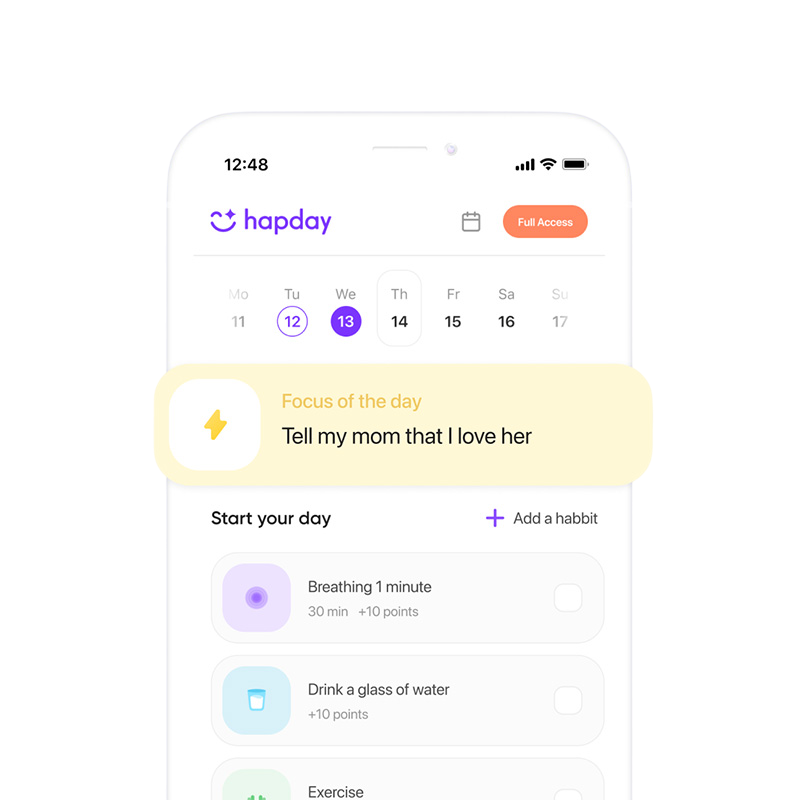
In closing, consider tools like hapday.me, guiding self-healing journeys with daily emotional support. Reclaim your story boldly. Unlock potential at hapday.me.
References:
- Center for Disease Control and Prevention, 2019
- National Institute of Mental Health
- Harvard University Study