



Table of Contents
- Understanding Childhood Trauma
- The Unseen Toll on Adult Life
- Healing Begins with Acknowledgement
- Navigating Your Healing Journey
- Transforming Pain into Purpose
- Ending on a Note of Hope
- Final Words of Encouragement
Understanding Childhood Trauma
At its core, childhood trauma involves distressing experiences during the formative years, ranging from direct abuse to neglect or witnessing violence. The CDC once highlighted that around 61% of adults reported experiencing at least one adverse childhood experience (ACE) in their upbringing. These experiences might alter one’s brain development, behavior, and long-term health.
The Unseen Toll on Adult Life
Childhood trauma can linger into adulthood, showing up in numerous ways: emotional instability, chronic anxiety, troubled relationships, or a relentless sense of inadequacy. When Maya, 28, went through her divorce, she found herself overwhelmed with fear of abandonment—an echo of her mother’s abrupt departure during her childhood. It’s crucial to understand these reactions are rooted in survival mechanisms—once crucial for facing adversity, now outdated in adult scenarios.
Healing Begins with Acknowledgement
The crucial first step in overcoming childhood trauma is to recognize its presence and lingering impact on your life. Self-awareness lays the groundwork for healing.
“Awareness serves as the gateway to understanding. Without acknowledging the trauma’s presence, healing hardly commences.”
— Dr. Laura Bennett, Expert in Trauma-Informed Therapy
Navigating Your Healing Journey
For lasting wellness, embark on a journey of understanding, processing, and transforming traumatic experiences. This journey isn’t about reliving past traumas but consciously reshaping your narrative and reclaiming control over your life. Here’s how to approach this daunting task:
1. Embrace the Power of Open Dialogue
Conversing about painful memories might seem intimidating. Yet, speaking them aloud often diminishes their hold over you. Engage in heartfelt dialogues with trustworthy friends, family, or mental health professionals.
“Vocalizing emotions, particularly painful ones, can prevent internalization, which often leads to harmful rumination.”
— Dr. Sarah Chen, Clinical Psychologist
2. Engage in Trauma-Informed Therapy
Professional therapy, notably cognitive-behavioral therapy (CBT) and eye movement desensitization and reprocessing (EMDR), is crafted to aid those grappling with trauma. Therapists trained in these methods provide structured environments to navigate disruptive memories constructively.
3. Cultivate Mindfulness and Meditation Practices
Mindfulness isn’t merely a modern buzzword; it’s deeply rooted in healing psychological wounds, helping you anchor in the present and break free from past pains and future worries.
4. Engage in Creative Expression
Art, music, and creative writing unlock unique paths for trauma expression and healing. They offer a non-verbal medium for feelings too complex to articulate.
5. Build a Supportive Network
Healing isn’t meant to be a solitary pursuit. Befriending others who understand your journey provides validation and empowerment. Maya, who once felt isolated in her struggles, found solace and camaraderie in a local support network for adults overcoming childhood trauma.
Key Takeaways
- Understanding and acknowledging childhood trauma is crucial for healing.
- Open dialogue about painful experiences can diminish their hold on us.
- Engaging in trauma-informed therapy can provide structured pathways to manage disruptive memories.
- Practicing mindfulness and creative expression are important tools for healing.
- Building a supportive network is essential for feeling validated and empowered.
Transforming Pain into Purpose
Transforming pain into strength means realizing your past doesn’t define your future but can enrich it. Reframing your narrative is an empowering stride where you claim ownership of your story, using it to strengthen yourself and empower others.
Ending on a Note of Hope
Your past doesn’t dictate your entire narrative. The healing journey is profoundly personal and leads to lasting wellness. Embrace self-compassion as your guiding ally. Your trauma does not determine your worth, power, or potential.
Final Words of Encouragement
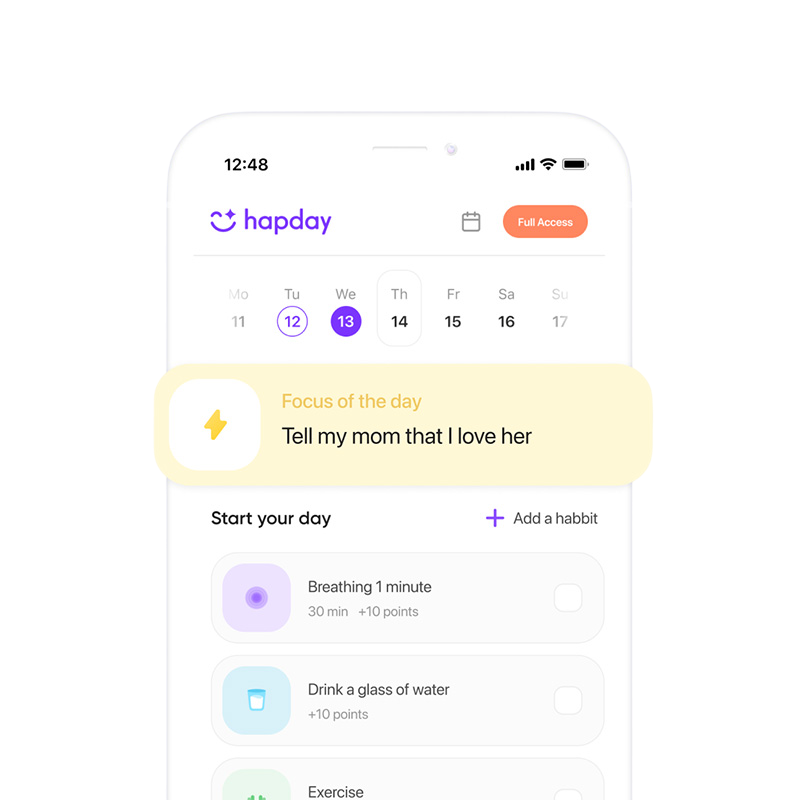
Visit hapday.me for guided self-healing programs tailored to your emotional growth journey and discover how self-discovery can light your path to a brighter tomorrow.
The Bottom Line
Allow yourself grace and patience. Healing is within reach, and lasting wellness awaits. If you find yourself on the path to healing, know it’s more a marathon than a sprint. Every step, no matter how small, is a victory. You’re not alone in this. Resources abound—guided programs and communities are within reach, supporting you along the way.
References
- Centers for Disease Control and Prevention
- American Psychological Association
- Mayo Clinic
- National Institutes of Health
- Harvard University
- World Health Organization