



Table of Contents
- Understanding Childhood Emotional Neglect
- Recognizing the Signs of Childhood Emotional Neglect
- How Emotional Neglect Impacts Adult Lives
- The Science of Healing: Rewiring Emotional Responses
- Steps Toward Healing Childhood Emotional Neglect
- Reclaiming Your Emotional Life
- Looking Ahead: An Invitation to Heal
Key Takeaways
- Childhood Emotional Neglect (CEN) occurs when a child’s emotional needs are overlooked, leading to potential emotional scars in adulthood.
- Recognizing the signs of CEN is crucial; feelings of emptiness or difficulty forming connections are often tell-tale indicators.
- Healing requires acknowledgment, professional support, self-compassion, emotional awareness, and building authentic relationships.
- Neuroplasticity plays a critical role in recovery, allowing individuals to rewire their emotional responses and foster a nurturing internal dialogue.
Understanding Childhood Emotional Neglect
Emotional neglect is a particularly insidious form of maltreatment—not as overt as physical abuse or as visible as emotional abuse. It’s the void—a parent’s failure to meet a child’s emotional need, a haunting absence rather than a direct act.
“It’s more about what can’t be seen… what’s missing.”
— Dr. Jonice Webb, Psychologist
If you’ve ever felt an inexplicable sadness, a perpetual emptiness, or struggled forming profound connections, CEN might be the hidden saboteur. A 2022 study in the Journal of Affective Disorders discovered a striking correlation between CEN and adult depression (American Psychological Association). The journey we’re about to embark on aims to illuminate this shadowy path—offering strategies to reclaim emotional abundance that might have been absent for too long.
Recognizing the Signs of Childhood Emotional Neglect
Any healing journey begins with recognition. Emotional neglect often hides beneath layers of self-reliance—a steely independence and emotional numbness. Have you ever suffered from anxiety, battled low self-esteem, or felt an innate inadequacy? Those might be the tell-tale scars of neglect.
According to Dr. Sarah Chen, a clinical psychologist at NYU,
“Many individuals only realize their neglect when they witness repetitive patterns in relationships or a constant sense of emptiness.”
— Dr. Sarah Chen, Clinical Psychologist
Is it a painful realization? Absolutely. Is it brave? More so. It’s the first monumental step on the path to healing.
Meet Maya. At 28, during the tumult of her divorce, she discovered that her chronic aversion to conflict stemmed from CEN. That epiphany spurred her on a life-altering therapy journey.
How Emotional Neglect Impacts Adult Lives
The shadow of emotional neglect looms large into adulthood. Those with unresolved CEN may grapple with guilty consciences, feeling unworthy of love, or embrace an overbearing independence. Why? They taught themselves to self-soothe emotionally—to compensate for the lack of parental presence.
The University of Washington found those adults who experienced CEN often skew towards codependency, meeting others’ needs at the cost of their own (National Institutes of Health). It’s a dance between longing and giving, often leaving one’s own needs silently buried.
The Science of Healing: Rewiring Emotional Responses
So, what does healing look like? It’s a meticulous task of reprogramming those deep-seated emotional responses. Neuroplasticity—the brain’s chameleon-like ability to reform neural pathways—is foundational to recovery. Engaging in therapeutic activities helps foster a nurturing inner dialogue, rewiring patterns set long ago.
Dr. Chen underlines the role of self-compassion here:
“Cultivating kindness to oneself is central to transforming entrenched habits.”
— Dr. Sarah Chen, Clinical Psychologist
Ready to take real steps toward healing? Here’s how.
Steps Toward Healing Childhood Emotional Neglect
- Acknowledge and Accept
Grappling with the neglect is essential… but it’s no easy task. Your feelings of emptiness? Those stem from past afflictions—not reflections of your intrinsic worth. Try journaling with empathy—reliving childhood with a softer gaze. - Seek Professional Help
Therapies like Cognitive Behavioral Therapy (CBT) or Eye Movement Desensitization and Reprocessing (EMDR) have proven effective for CEN. A seasoned therapist provides a sanctuary to safely unpack past traumas and dismantle negative beliefs. - Cultivate Self-Compassion
Embracing imperfections as you would with a dear friend can be revolutionary. Dr. Kristen Neff, a self-compassion pioneer, advises offering yourself that same warmth. Exercises in mindful self-compassion can foster a more nurturing internal dialogue. - Build Emotional Awareness
Identify your emotions, learn their triggers. Maintaining a feelings diary reveals emotional patterns—often linking back to roots of neglect. This awareness is key to disrupting the cycle of emotional suppression. - Develop Authentic Relationships
Pursue relationships grounded in emotional authenticity. Feel courageous enough to express true feelings—cultivate vulnerability. In time, healthy relationships can become the groundwork for a newfound emotional security. - Self-Care and Boundaries
Respect your psychological and emotional terrain through self-care. Asserting firm boundaries with those who deplete your energy or engage in toxicity is critical. As your attunement to personal needs grows, so too will your capacity to uphold these boundaries.
Reclaiming Your Emotional Life
Healing from CEN can’t rewrite the past, but it does empower a future redefined by emotional vibrancy and fulfillment. Realize this journey is solely yours—unique in its pace and direction, and that’s perfectly fine.
Consider Kevin. At 35, after an upbringing riddled with emotional voids, he felt unworthy of love. Therapy and mindfulness tore away layers, revealing self-compassion he couldn’t have imagined. Now, he’s weaving healthy relationships filled with empathy—nourishing to himself and to others.
Looking Ahead: An Invitation to Heal
If anything here resonates, consider it a gentle nudge to commence or advance your own emotional healing odyssey. Each tool offered—therapy, self-kindness, emotional awareness—is crafted to guide you toward a life blooming with understanding and love.
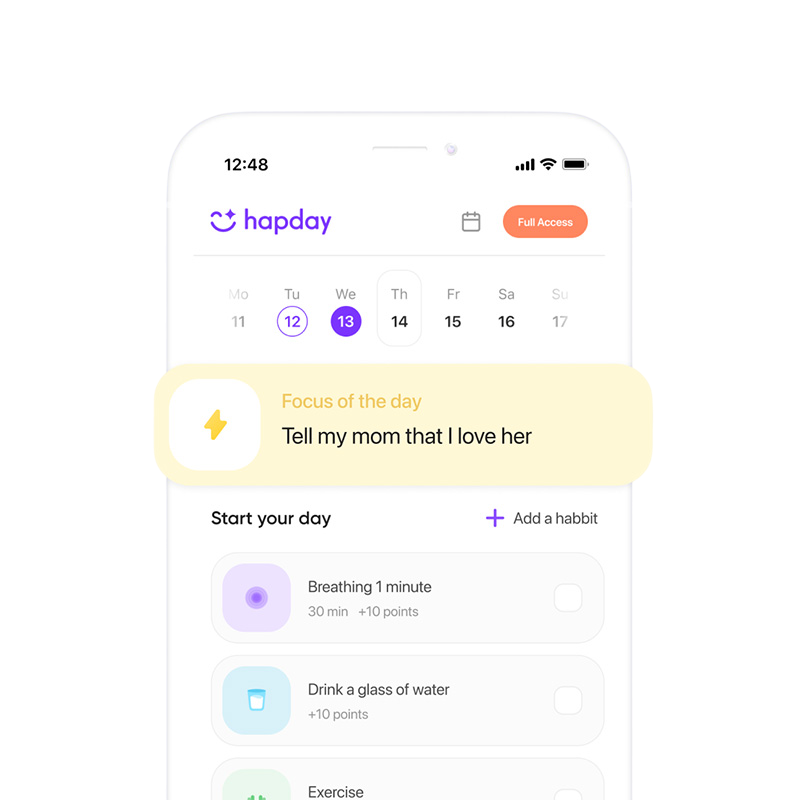
Though we often wander this world feeling our healing journey is a solitary one, know this—you are not alone. Resources like hapday.me provide guided self-healing programs, assuring community support with each step you take. Reinvigorate, rediscover, and transform your inner landscape—visit hapday.me to embark on your journey.
— Begin yours today. It’s not about swift perfection—it’s about steadily nurturing a life narrative that is entirely, authentically yours.
The Bottom Line
Healing from Childhood Emotional Neglect is a profound journey of self-discovery and recovery. By embracing the steps outlined, you can cultivate a richer emotional life, filled with authentic connections and self-compassion. Remember, you are not alone in this process; support and understanding are available as you navigate your path.