



Table of Contents
- Understanding Generational Trauma
- Recognizing Patterns: Where Does It Start?
- Why Patterns Persist: The Science Behind Trauma Bonds
- Breaking the Cycle: Strategies for Change
- Why Healing Matters: The Ripple Effect
- The Quest Toward Empowerment
Key Takeaways
- Generational trauma influences current behaviors and relationships, often leading to repeating harmful patterns.
- Recognizing these patterns is vital in beginning the healing process—journaling can be a helpful tool.
- Strategies like establishing boundaries and practicing mindfulness can facilitate breaking the cycle of trauma.
- Healing from generational trauma has a ripple effect, positively impacting future generations.
- Seeking professional help and educating oneself about trauma can provide essential support in the healing journey.
On a rainy afternoon, Maya found herself in her mother’s old kitchen. The faint smell of ginger and garlic filled the air, stirring up a whirlpool of childhood memories—both comforting and unsettling. It was in this mix of warmth and hurt that Maya heard her mother’s voice rise, berating her for some trivial mistake. In that moment, something inside her clicked. She realized she wasn’t just facing a one-off incident; she was caught in a cycle, an endless loop of generational trauma deeply rooted in her family’s history. Could she be the one to break these chains? This was the question that haunted her.
Understanding Generational Trauma
Generational trauma, a term often interchanged with intergenerational trauma, involves the echoes of past events shaping our present, occasionally in ways we might not even perceive. It’s like a silent shadow trailing behind us. Emotional neglect, physical abuse, historic calamities—these can seep down through the ages. Interesting tidbit here: Back in 2021, the Centers for Disease Control and Prevention hinted at trauma’s potential to imprint on our genes, although the environment plays its part too.
“When people grasp that trauma issues they face might stem from way before their time, it lifts the blame off their shoulders. Awareness? That’s the first step to unlocking healing.”
— Dr. Sarah Chen, Clinical Psychologist at NYU
Recognizing Patterns: Where Does It Start?
Breaking loose starts with recognizing those ingrained patterns. Maybe you find yourself echoing words or behavior reminiscent of your parents’, especially in high-pressure moments? Take Maya as an example: At 28, amid a divorce, she saw herself communicating with her partner just like her parents did—harsh, with little empathy.
Staring into the mirror of self-awareness can be intimidating, but it’s a mirror that needs looking into. That’s where journaling enters the stage. It’s a practical tool—by writing down interactions that stir strong emotions, patterns begin to unfold, like discovering why arguments blow up out of nowhere.
Why Patterns Persist: The Science Behind Trauma Bonds
To understand why these patterns cling so fiercely, we must delve into trauma bonds. This psychological labeling of sorts explains how deep emotional ties forged amidst abuse or neglect can shape adult relationships. In stressful times, our brains release cortisol, often dubbed the “stress hormone,” which can hijack normal emotional and mental functions. The National Institutes of Health had a fascinating revelation—high cortisol levels can mess with the brain’s capacity to forge healthy bonds.
“Our brain’s wired to crave familiarity. Even if it’s unhealthy, we’re drawn to it. Trauma bonds just keep fanning those flames.”
— Dr. James Collins, Neurologist at the University of Michigan
Breaking the Cycle: Strategies for Change
Realizing what’s going wrong is just the first lap. Next comes the gritty task of breaking habits ingrained over years. Try these strategies; they might light your path:
- Educate Yourself About Trauma: Understanding trauma’s dirt road—the biological and psychological blocks it sets up—can shed light on the dark. Books like “The Body Keeps the Score” dig into trauma’s neuroscience, and if healing intrigues you, it’s a good place to start.
- Seek Professional Help: Therapy, with a focus on trauma-informed methods like EMDR or somatic therapy, can craft strategies to disentangle past experiences. A seasoned therapist? They’re like the guide through an emotional jungle.
- Practice Mindfulness and Grounding: Exercises involving deep-breathing or the 5-4-3-2-1 technique (focus on senses—seeing, touching, hearing, smelling, tasting) can help calm anxieties when the past knocks. Techniques like these tap into the parasympathetic nervous system, soothing the body’s fight-or-flight instincts.
- Engage in Inner Child Healing: It involves giving voice and care to those skinned-knee parts of your past that went unheard. Visualization, affirmations, even writing to your younger self can unlock the cage of compassion and forgiveness.
- Establish Healthy Boundaries:
“Boundaries safeguard what’s precious—your heart, time, mental wellness.”
— Dr. Lisa Woodfield
Identify the relationships where boundaries collapse; it’s okay to step back from those perpetuating negativity.
- Create New Traditions: Cultivate new family practices that brim with safety and affection. Maybe a weekly gratitude gathering becomes the refreshing norm, shedding old patterns of silence or contempt.
Why Healing Matters: The Ripple Effect
Breaking free from generational trauma is an act of rebellion and kindness—it breathes life into your present and future kin. As Maya embraced her healing, she sensed transformations: her reactions softened, her relationships enriched. Healing’s ripple effect transcends the self, tweaking family dynamics and perhaps reshaping broader community paradigms.
The American Psychological Association sheds light on homes swirling in cycles of trauma: they bolster the likelihood their children face mental health hurdles. That’s a staggering truth. By challenging these patterns, not only do we free ourselves, but we cast a safety net for those we hold dear.
The Quest Toward Empowerment
Remember, as you inch toward healing, that it’s more journey than destination. Advancement should be your goal, not flawlessness. Permit yourself kindness in slip-ups; each step, however minor, steers you toward empowerment and autonomy. In teetering toward self-discovery and personal freedom, you become the person your past could never dictate.
Maya’s moment of clarity in that kitchen was her launchpad to change. Slowly, she dismantled her past’s hold and rebuilt—a life guided by empathy, strength, and love, for herself and her lineage.
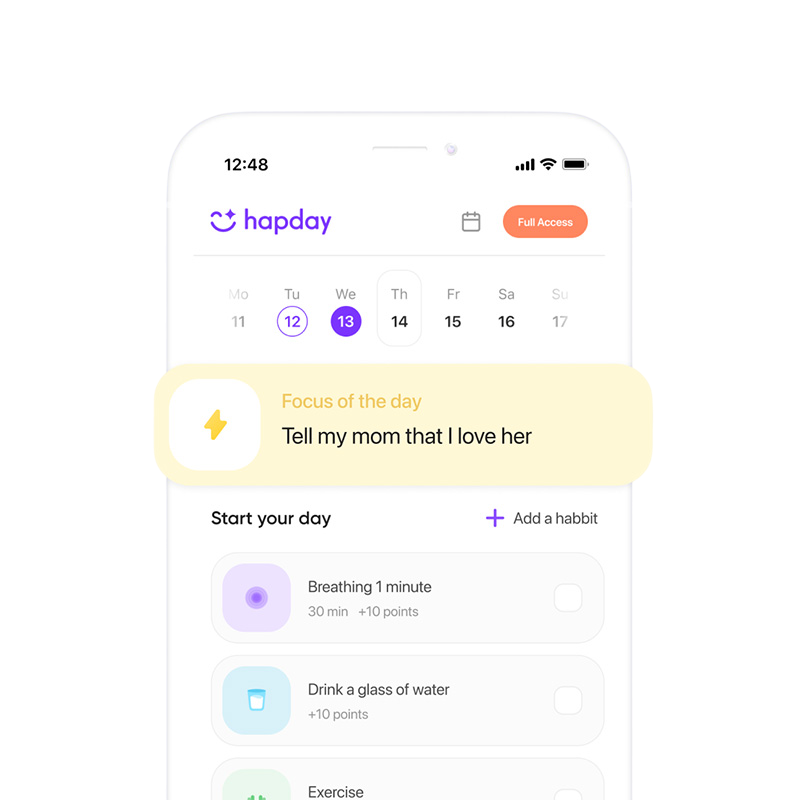
If any of this strikes a chord with you, know this: those chains can truly be shattered. Programs like hapday.me offer a lifeline for emotional growth and consistent support along your healing trek.
The Bottom Line
Healing from generational trauma is a courageous journey that not only transforms your life but also impacts future generations. With a commitment to self-awareness and the right strategies, it’s possible to create a positive ripple effect that fosters a healthier family dynamic.