



Table of Contents
- Unpacking Childhood Trauma’s Legacy
- Navigating the Path to Self-Growth
- Acceptance and Awareness: The Foundation
- Cultivating Emotional Resilience
- Embracing Self-Compassion
- Crafting a Renewed Life Story
- Practical Steps Towards Sustained Self-Growth
- The Bottom Line
Key Takeaways
- Childhood trauma impacts adult life but can be transformed.
- Awareness and acceptance are crucial first steps in healing.
- Emotional resilience can be cultivated through practices like mindfulness and journaling.
- Self-compassion shifts narratives and improves mental well-being.
- Seeking professional support is vital for deeper healing.
Unpacking Childhood Trauma’s Legacy
Childhood trauma affects lives indiscriminately. It seeps into adulthood, casting lengthy shadows. A glimpse at the numbers—nearly one in seven children suffer abuse or neglect yearly, according to the CDC. A stark reminder of just how common these invisible wounds are.
“Trauma is more about the internal battle than external occurrences.”
— Dr. Gabor Maté, Author and Physician
This internal perspective steers us towards a path of true healing. Trauma is not the end—it’s the beginning of transformation.
Navigating the Path to Self-Growth
Healing and self-growth don’t mean erasing the past. It means embracing it, understanding it, and stepping deliberately towards a healthier future. So, how does one begin?
Acceptance and Awareness: The Foundation
First, comes the awareness—a seemingly overwhelming realization of trauma’s impacts. But remember, it’s the key—awareness. Kira, struggling with anxiety through her turbulent 30s, found her way by acknowledging a stormy past.
“Accepting traumatic experiences opens doors to understanding and healing.”
— Dr. Sarah Chen, Psychologist
It’s not about shame but shifting towards a place of awareness.
The Why: An American Psychological Association study underscores how acceptance reduces distress and encourages emotional balance.
Cultivating Emotional Resilience
Visualize emotional resilience as armor—protecting and enabling adaptation beneath life’s pressures. As you build it, consider these practices:
- Mindfulness Meditation: It keeps you grounded, calms anxiety, and boosts self-awareness. Research links mindfulness with better emotional health.
- Journaling: Letting emotions flow on paper can untangle knotted feelings—a lifeline for many. Maya unraveled her deeply rooted fears of abandonment through her journals.
- Foster Uplifting Relationships: A resilient circle strengthens through supportive networks.
The Why: Resilience aids in positive adaptation—it’s a mechanism that softens trauma’s sting, setting a stage for growth.
Embracing Self-Compassion
There’s a truth—many are their own harshest critics, a habit carved by childhood. But self-compassion changes the narrative. Extend to oneself the kindness offered to dear friends.
“Self-compassion shifts negative self-talk, nurturing psychological well-being.”
— Dr. Kristen Neff, Researcher and Author
The Why: Studies consistently show self-compassion lowers anxiety and depression, paving the way for satisfaction.
Crafting a Renewed Life Story
How we perceive our lives guides our growth. The narrative of victimhood, helplessness, or inadequacy can be recast to spotlight survival.
Reframe Your Life:
- Identify negative narratives and question their validity.
- Weave in new stories highlighting resilience.
- Visualize a thriving future embracing imagined triumphs.
The Why: Reframing cognitive patterns can lessen stress and improve emotional wellness.
Practical Steps Towards Sustained Self-Growth
Here’s how to build a sustainable self-growth practice:
Establish Boundaries for Well-being
Boundaries are protective—guiding how others treat us.
- Communicate needs clearly and assertively.
- Prioritize yourself; saying ‘no’ is self-care.
- Choose relationships respecting boundaries.
The Why: Boundaries mitigate anxiety and prevent burnout.
Seek Professional Support
Therapy—offering a sanctuary to delve deeply into past traumas.
- Cognitive Behavioral Therapy (CBT): Targets damaging thought patterns.
- Trauma-Focused Therapy: Directly addresses lingering trauma.
- Group Therapy: A nexus of shared experiences that heal.
The Why: Therapy can significantly improve mental health for trauma survivors.
Explore Creativity and New Interests
Creative pursuits heal. They express what’s beyond words.
- Art therapy: Channels emotions through creation.
- Music and dance: Elevate mood and enhance enjoyment.
- Connecting with nature: Through gardening or walks calm the soul.
The Why: Creative endeavors activate brain paths aiding regulation of emotion.
The Bottom Line
Healing from childhood trauma isn’t a destination—it’s a journey marked by non-linear progress. Setbacks interweave with victories. Celebrate those small steps; rewrite that story. Reimagining your journey as one of resilience, our past doesn’t limit future possibilities.
Healing is timeless. Your narrative shifts from pain to growth—the very act of stepping forward shows resilience’s power. Daily nurturing of self-awareness, compassion, and creativity allows recreation despite past shadows.
Embrace healing. It’s uniquely yours—a journey not of perfection but persistence. Each effort towards self-growth applauds your courage and untapped potential.
Now, as a closing thought, consider this—while childhood trauma is a heavy burden, its transformation potential is vast. It’s your story—rewrite it one mindful moment, one compassionate decision at a time. Right now, you’re on this journey—embrace it.
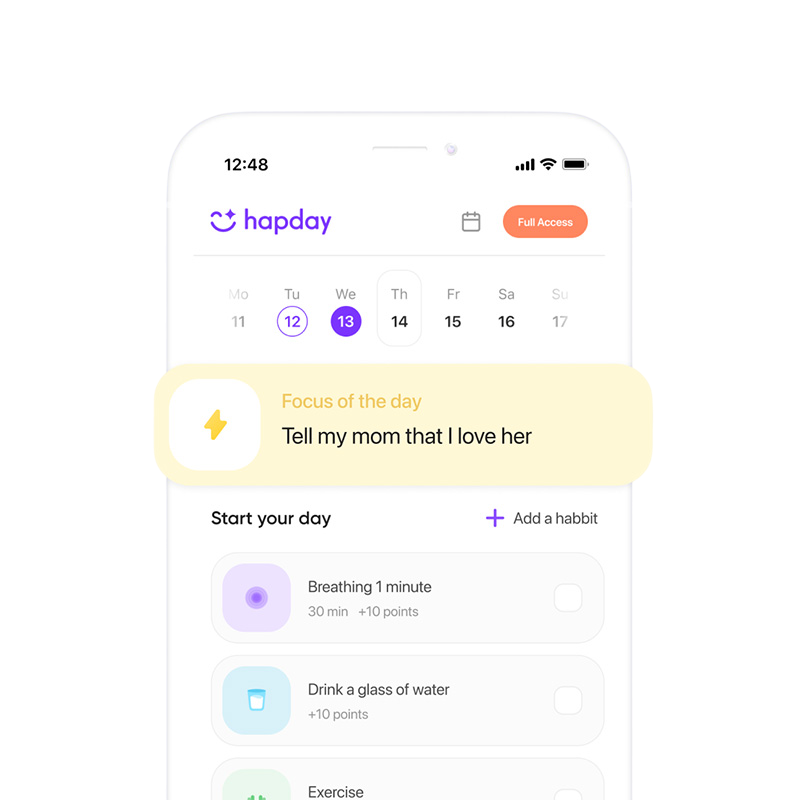
For continued support, a range of self-growth programs is available, aiding your emotional wellness journey at hapday.me. Start transforming today.