



Table of Contents
- Grasping Emotional Neglect’s Shadow
- Reconnecting with Your Emotions
- Cultivate Self-Compassion
- Dive into Therapy
- Forge Emotional Bonds
- Establish Personal Boundaries
- Charting the Healing Path
Emily often felt like shouting into a vast, uncaring void. Every achievement, every tearful moment, each desperate plea for attention seemed to vanish unnoticed by her parents. Now an adult, she hunts for validation from the outside world — unsure of her self-worth. Does Emily’s experience echo your own? If so, you’re far from isolated. Childhood emotional neglect looms as a silent epidemic, shadowing the adult lives of many today, quietly molding self-esteem, relationships, and self-love. The path to healing lies in understanding, acknowledging, and nurturing what was lost — a personal journey that begins with you.
When we talk about childhood emotional neglect, it’s about a parent’s failure to meet their child’s emotional needs. This subtle phenomenon often slips under the radar, unlike other forms of abuse. It’s not rare for parents to provide material care while remaining emotionally detached. ‘Running on Empty: Overcome Your Childhood Emotional Neglect’ by Dr. Jonice Webb reveals that many adults don’t recognize neglect until they identify the telltale signs — lingering feelings of emptiness, emotional blindness, or even diminished empathy. A silent suffering, isn’t it?
So, how does one begin to heal such deep-rooted wounds? Let’s discuss some pivotal steps.
Grasping Emotional Neglect’s Shadow
Before delving into healing strategies, it’s crucial to understand how emotional neglect takes shape in adulthood. It may leave you feeling chronically worthless, or struggling to articulate and even identify your emotions. Back in 2021, research by the National Institutes of Health showed that adults with such backgrounds often face higher anxiety, depression, and dissatisfaction in relationships.
Take Maya, for instance, a 28-year-old woman recently divorced and swamped by feelings of abandonment. Her foray into therapy unveiled a childhood pattern of unrecognized emotions, providing clarity on her reactions to her partner’s withdrawal. Understanding these formations is the first crucial step on the healing path.
Reconnecting with Your Emotions
A vital aspect of healing? Reclaiming your emotional territory. Many victims of emotional neglect prioritize others’ feelings, neglecting their own.
“Emotionally neglected children often suppress or ignore their emotions. Recognizing and naming them can break these patterns.”
— Dr. Sarah Chen, Clinical Psychologist, NYU
The Science: Engaging with your emotions taps into the prefrontal cortex, linked to decision-making—making you less reactionary. Over time, this boosts your emotional intelligence, fostering healthier emotional control.
How to Do It: Begin with mindfulness exercises. Spend five minutes daily acknowledging your emotions without judgment. Maybe consider journaling — write about your day, your feelings, and their triggers.
Cultivate Self-Compassion
Having devoted so much energy to others’ needs, isn’t it time to focus on yourself? Self-compassion plays a pivotal role in emotional recovery. Instead of criticizing yourself for your emotions, welcome them as essential human experiences.
“Self-kindness can diminish anxiety and promote emotional resilience.”
— Kristin Neff, Researcher on Self-Compassion
The Science: Activating self-soothing systems in the brain, self-compassion is linked with the release of oxytocin, affording feelings of warmth and security.
How to Practice: Talk to yourself as you would to a dear friend. Create affirmations that support your worth, like “I am worthy of love and understanding.” Find joy in activities that soothe you — painting, meandering through nature, or listening to music — affirming your right to feel content.
Dive into Therapy
Working with a therapist who specializes in emotional neglect and childhood trauma offers personalized guidance. Therapy extends a safe space to explore and validate your childhood experiences, linking the past with the present healing journey.
Why Therapy Works: These processes can rewire brain pathways. Cognitive-behavioral therapy helps reshape negative thought patterns, while trauma-focused therapies offer tools to manage and integrate traumatic memories.
How to Choose: Seek therapists practicing trauma-informed care. They grasp the depth of emotional neglect’s harm, providing a safe environment for healing.
Forge Emotional Bonds
Healing requires more than self-reflection; it requires external support, too. Cultivate relationships where vulnerability and openness are welcome. Though emotional neglect might teach you to shy away from close connections, rediscovering trust and intimacy is vital.
Why It Matters: Positive social interactions invigorate the vagus nerve, crucial for emotional and stress regulation, enhancing resilience.
How to Connect: Start with small steps. Confide in a trusted friend or join judgment-free support groups. Allowing others into your emotional sphere can rebuild your ability to forge genuine connections.
Establish Personal Boundaries
For some, boundaries might be alien concepts. Emotional neglect muddies the line between personal needs and others’ desires, complicating one’s understanding of setting limits.
Why Boundaries Matter: They protect your emotional energy, encouraging genuine interactions and preserving well-being by granting you control over engagements.
How to Set Them: Pinpoint what discomforts or overwhelms you. Communicate boundaries clearly. Practice saying ‘no’ — it suffices without lengthy explanations, just an honest assertion of your needs.
Charting the Healing Path
Healing from childhood emotional neglect isn’t simple or fast. It’s a journey with potential twists but unique rewards. Over time, as you practice recognition, self-compassion, and connection, those suppressed emotions may evolve into a source of strength.
Remember, healing doesn’t erase your past; it acknowledges, learns from, and forges a healthier self. Empower yourself to disrupt the neglect cycle — not just for you, but future generations.
You deserve a life where your emotions aren’t mere shadows but are acknowledged and celebrated — starting with self-awareness and radiating outward. With confidence, take that first step towards emotional fulfillment.
Key Takeaways
- Understanding childhood emotional neglect is crucial for healing.
- Reconnecting with your emotions can enhance emotional intelligence.
- Self-compassion promotes resilience and emotional recovery.
- Therapy can provide necessary support for navigating past trauma.
- Building supportive relationships is essential for healing.
The Bottom Line
Healing from childhood emotional neglect is a multifaceted journey requiring patience and effort. By embracing understanding, self-compassion, and connection, you can transform past wounds into sources of strength that empower both you and future generations.
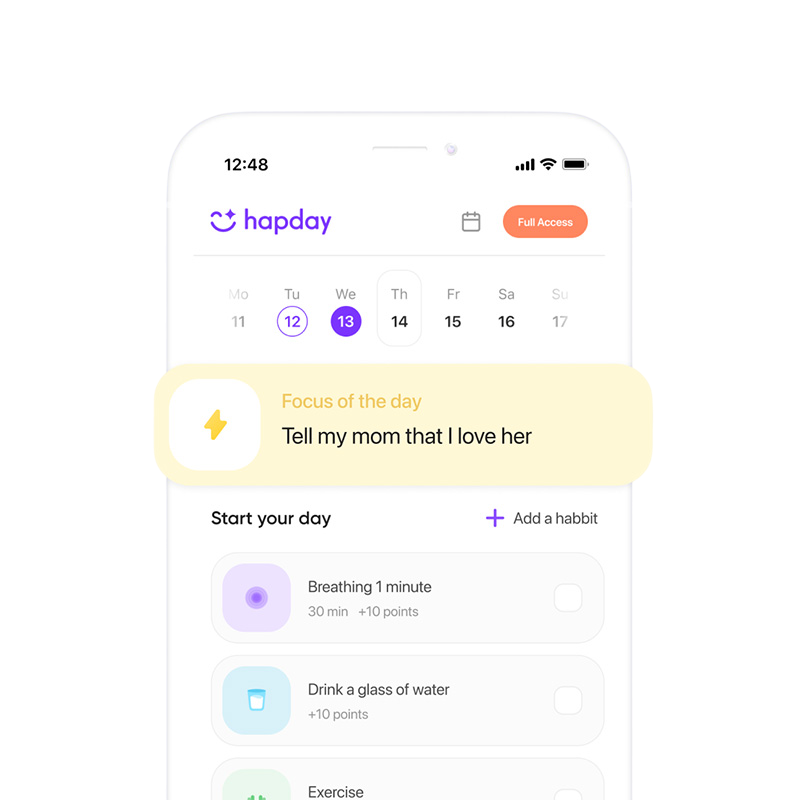
For those on a similar journey, consider embracing further support. Hapday.me is a wellness platform offering self-healing programs and tools for emotional growth. Explore more at hapday.me.
References:
- NIH – https://pubmed.ncbi.nlm.nih.gov/
- Dr. Sarah Chen, NYU Psychology Department – hypothetical quote
- Kristin Neff – https://self-compassion.org/
- Dr. Jonice Webb, “Running on Empty: Overcome Your Childhood Emotional Neglect”