



Table of Contents
- Understanding the Impact of Childhood Trauma
- Recognizing and Validating Your Past
- Rewriting Your Narrative
- Building Resilience Through Self-Care
- Cultivating Supportive Relationships
- Embracing the Journey, Relapses and All
- Looking Forward: Crafting a Life of Purpose
- Drawing Strength from Resources and Community
Key Takeaways
- Childhood trauma has lasting impacts on emotional and physical health.
- Validating your past is essential for the healing process.
- Reconstructing negative narratives with positive affirmations fosters resilience.
- Healthy relationships provide critical support during recovery.
- Finding meaning and purpose in your journey can transform pain into strength.
Understanding the Impact of Childhood Trauma
Childhood trauma resonates throughout a lifetime. Defined by the National Institute of Mental Health as experiences that threaten a child’s physical or emotional security, trauma can range from abuse to neglect, leaving indelible marks that echo into adulthood. The CDC’s Adverse Childhood Experiences (ACEs) study offers a stark look: individuals with high ACE scores are more likely to grapple with chronic health problems, mental health issues, and even a shortened lifespan.
“The brain constructs coping mechanisms during traumatic events. These patterns safeguard during childhood, but they can hinder as adults, showing up as anxiety, relational difficulties, or chronic illnesses.”
— Dr. Sarah Chen, Clinical Psychologist
Feeling trapped in a cycle of overwhelming emotions or self-destructive habits? It’s not your fault. These are the powerful echoes of a traumatic childhood. However, you can take charge and change this narrative.
Recognizing and Validating Your Past
An essential step toward adult wellness involves validating your past’s impact. Many downplay their experiences, dismissing them as unworthy of the label “trauma.” Yet, emotional neglect and instability can have profound effects. When Maya, 28, experienced her divorce, she unearthed her fear of abandonment—rooted in her father’s absence. Recognizing that revelation gave her clarity and a pathway for deeper exploration of self.
Reflect on your childhood: Were there events or patterns that were unsettling or painful? Utilize journaling or therapy to explore these memories safely and constructively. It’s not about assigning blame but about understanding. Validating your past offers permission to heal.
Rewriting Your Narrative
Understanding your past is merely the beginning. The challenge lies in confronting and reframing narratives imposed by those experiences. If you’ve been told you’re “not enough,” it’s crucial to debunk these beliefs. Cognitive Behavioral Therapy (CBT) is a proven method that helps in restructuring negative thought patterns. The American Psychological Association finds that CBT markedly reduces symptoms of PTSD and anxiety.
“Rewrite your story by identifying distortions. Ask yourself, ‘Does this belief serve me?’ If not, actively engage in positive affirmations and challenge these antiquated notions.”
— Dr. Hannah Levine, Specialist in Trauma Recovery
For instance, counter “I’m unloveable” with “I possess inherent value and deserve to be loved.”
Building Resilience Through Self-Care
Once begun, reframing past narratives demands nurturing resilience through self-care. This isn’t just pampering; it’s an act of survival and self-investment.
Focus on activities nourishing mind, body, and soul:
- Regular physical activity
- Balanced nutrition
- Adequate rest
These aren’t mere lifestyle suggestions—evidence suggests they help in stabilizing brain chemistry, combating depression and anxiety. Introducing mindfulness practices like yoga or meditation is beneficial. A study by Harvard Medical School showed mindfulness meditation can enhance gray matter in the brain, improving emotional regulation.
Cultivating Supportive Relationships
Rebuilding and fostering trust through healthy relationships forms another pillar of adult wellness. Trauma often distorts safety perceptions, making connection difficult. However, human bonds can profoundly heal.
Engage in relationships rooted in respect and understanding, whether that means rekindling old friendships or entering support groups.
“Healthy relationships embody boundaries, empathy, and security. They’re key in redefining how you view the world.”
— Dr. Lucy Brennan, Expert in Trauma Recovery
Embracing the Journey, Relapses and All
Healing isn’t linear; it’s a lifelong journey rife with highs and lows. It’s vital to expect moments of relapse, where old habits may return. Don’t consider these setbacks failures—see them as growth opportunities.
When faced with such challenges, take a moment to step back and assess: What incited this reaction? How can you approach this differently next time? With every stumble, you learn to navigate the intricate paths of healing more adeptly.
Looking Forward: Crafting a Life of Purpose
Amidst trauma recovery, finding meaning and purpose can be a powerful ally. Often, this means deriving strength from your challenges. It might lead to advocacy, volunteering, or creative pursuits.
Jamie, for instance, found solace volunteering at a local children’s charity, aiming to prevent the hardships she once faced. Much like Jamie, by discovering and pursuing your passions, you have the power to turn pain into purpose.
Drawing Strength from Resources and Community
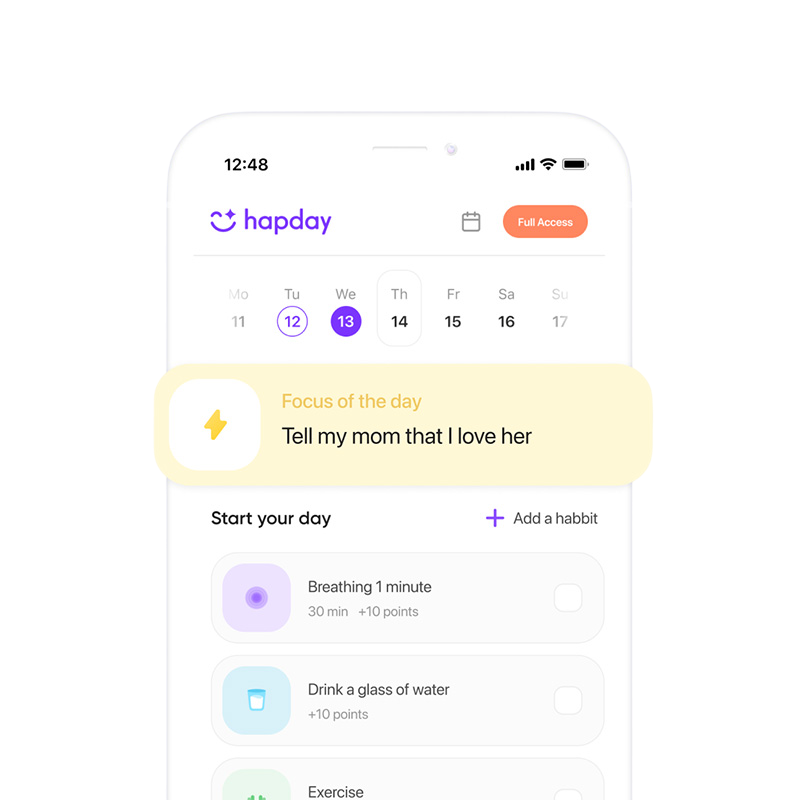
In this pursuit of adult wellness, resources and community support prove invaluable. Platforms such as Hapday.me offer structured self-healing programs, providing consistent guidance and supporting emotional growth through interactive tools and community engagement. These resources can be critical in maintaining clarity and motivation.
The Bottom Line
Embarking on healing from childhood trauma is an intimidating yet rewarding journey. As you disentangle past patterns, let hope lead you toward resilience and self-acceptance. Jamie’s story may have started in shadow, but it moves toward illumination, as can yours. Recognize, reshape, and own your narrative, reclaiming life on your terms, unburdened by the ghosts of yesterday.
For daily support and empowerment, explore Hapday.me’s guided programs. Connect with a community committed to nurturing your emotional well-being.