



Table of Contents
- Understanding Emotional Neglect
- The Science Behind Healing
- Steps Toward Healing
- 1. Acknowledge and Feel
- 2. Connect with Your Inner Child
- 3. Learn to Express and Validate Your Emotions
- 4. Develop Trusting Relationships
- 5. Seek Professional Support
- 6. Cultivate Self-Compassion
- Moving Forward: Building a Life Beyond Neglect
- The Bottom Line
- References
Key Takeaways
- Emotional neglect is an invisible yet impactful aspect of childhood that can have lasting effects into adulthood.
- Healing from emotional neglect includes acknowledging one’s pain and validating feelings through self-compassion.
- Re-parenting oneself and learning to express emotions are vital steps toward recovery.
- Developing trust in oneself fosters the ability to build authentic relationships with others.
- Seeking professional support and joining community groups can provide valuable assistance in the healing journey.
Understanding Emotional Neglect
Invisible yet palpable, emotional neglect doesn’t necessarily involve explicit actions or noticeable harm. More often, it’s the absence of warmth, understanding, and empathic attunement.
“It’s about the conversations that never happened.”
— Dr. Jonice Webb, Psychologist
Such voids become ingrained patterns of feeling unworthy or isolated for young minds.
Take Maya, for instance, grappling with the aftermath of a divorce in her late twenties. It dawned on her how profoundly her early life emotional neglect impeded her communication skills.
“I was at a loss when it came to asking for help or showing vulnerability.”
— Maya, Emotional Neglect Survivor
This dilemma isn’t rare; those who faced emotional neglect as children often find themselves suppressing emotions, resulting in challenges articulating their feelings or stating their needs assertively as adults.
The Science Behind Healing
Recovery from emotional neglect involves a process known as re-parenting one’s inner child. This therapeutic concept revolves around providing oneself with the validation and emotional stimulus missed during childhood.
“Our brain, astonishingly adaptable, can craft new, healthier neural pathways with concerted effort.”
— Dr. Sarah Chen, Clinical Psychologist
This plastic nature of the brain supports healing by fostering healthier emotional reactions and interpersonal connections.
Steps Toward Healing
1. Acknowledge and Feel
The first stride toward healing is accepting the pain of emotional neglect. Recognizing that this wasn’t your fault can alleviate undue guilt and self-recrimination. Therapy sessions act as a sanctuary for examining childhood experiences under professional guidance.
Journaling emotions and reflecting on past experiences might seem simple, but it’s highly effective. Writing helps clarify thoughts and unearth buried emotions, often giving voice to the silent parts of one’s soul.
2. Connect with Your Inner Child
Re-parenting seeks to nourish those childhood aspects that lacked essential emotional growth. Start by visualizing yourself in your younger years, offering love and compassion. Practices like guided visualizations can assist in building this connection with your inner child.
Through meditation, picture yourself comforting this child, reiterating their worth and validating their feelings. These steps are not just nurturing—they are foundational in rebuilding self-assurance and internal safety.
3. Learn to Express and Validate Your Emotions
If emotional neglect taught emotional self-denial, then learning to pinpoint and express those emotions becomes crucial. Naming emotions, albeit unfamiliar initially, helps in their processing. A daily journal recording moods through the day encourages emotional awareness, linking emotions to events or spurs of experiences.
Regular self-dialogues can lead to profound realizations. Asking oneself, “What am I feeling now? Why?” can reduce emotional intensity and facilitate better emotional grasp, promoting improved emotional regulation.
4. Develop Trusting Relationships
The impact of childhood emotional neglect touches adult relationships by instilling fear of closeness or mistrust.
“Begin by restoring trust in yourself, which thereafter lays groundwork for trust in others.”
— Dr. Sarah Chen, Clinical Psychologist
Initiating small goals and committing to them fosters self-reliance and trustworthiness.
Encouraging open communication in relationships can initially challenge comfort zones, but these genuine dialogues ultimately pave the way for authentic connections.
5. Seek Professional Support
Therapy can significantly aid in the emotional neglect recovery process. Tools such as Cognitive Behavioral Therapy (CBT) unearth and challenge distorted perceptions of worthlessness. Professionals trained in trauma care gently disentangle deep-seeded disturbances.
Joining support groups or emotional healing workshops introduces communal empathy and combats loneliness by sharing experiences.
6. Cultivate Self-Compassion
The linchpin of emotional recovery. Self-compassion demands realizing that healing is an evolving journey. Be patient with setbacks or advancements. Practices like mindfulness meditation nurture self-compassion by honing presence, observing thoughts devoid of judgment.
Incorporating affirming practices—positive internal dialogue, affirmations, even writing letters to oneself or their inner child—eventually reforms inner talk, fostering a compassionate self-regard.
Moving Forward: Building a Life Beyond Neglect
Transcending emotional neglect is about crafting a bond with oneself founded on love, empathy, and understanding. You hold the power to recast your life’s story. It takes bravery to face pain, patience to unravel years of emotional suppression, and resolve to cultivate a more nurturing self-image.
Imagine a life where your emotions are acknowledged and treasured. In self-care lies a commitment to honor these emotions. Pursue activities resonating with your genuine self, and foster relationships recognizing and validating your worth.
For those grappling with childhood emotional neglect, remember—healing is accessible, and you’re not alone. Embrace your journey one step at a time, creating space for growth and rediscovery.
The Bottom Line
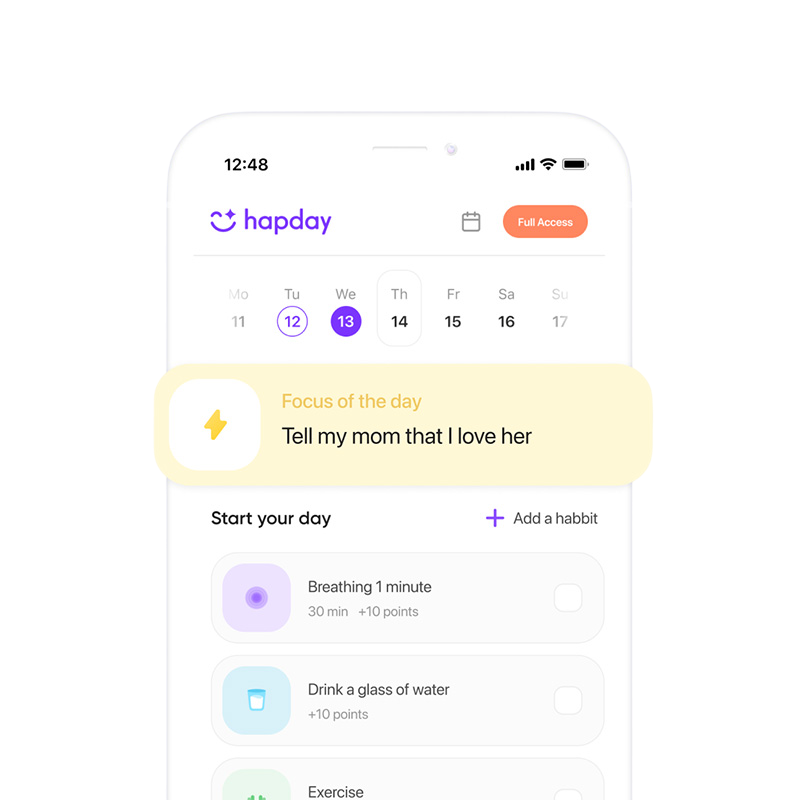
Within your most trying moments resides the potential for immense growth. Embark on your healing path today with hapday.me’s self-guided programs, offering daily support for emotional regeneration. Reclaim your authentic life by visiting hapday.me.
References
- American Psychological Association
- NIH: National Institute of Health
- Mayo Clinic