



Table of Contents
- Understanding the Roots: The Long Shadow of Childhood Trauma
- Recognizing How Trauma Manifests in Adult Life
- Cultivating Awareness: The First Crucial Step
- Rebuilding Trust with Self-Compassion
- Building Supportive Networks
- Developing Healthy Coping Mechanisms
- Seeking Professional Help: Therapy and Its Benefits
- Reinventing Your Story and Building Resilience
- Moving Forward: An Empowering Closure
Key Takeaways
- Childhood trauma can significantly impact adult life, affecting emotions and behaviors.
- Acknowledging and understanding triggers is crucial for healing.
- Practicing self-compassion can enhance resilience and satisfaction.
- Community support and professional therapy are essential for recovery.
- Healing is a non-linear journey that involves both progress and setbacks.
Understanding the Roots: The Long Shadow of Childhood Trauma
Think for a moment: you’re nurturing a garden. The soil beneath your feet wasn’t born yesterday; it’s been molded by countless seasons. Likewise, childhood trauma imprints itself on the brain and body, influencing adult behaviors and reactions. According to the Centers for Disease Control and Prevention (CDC), adverse childhood experiences (ACEs) cast a long and influential shadow on social, emotional, and cognitive aspects. It’s startling to realize that about 61% of adults carry at least one of these experiences (CDC). Could it be that trauma rewires our brains, distorting our reality? For many, like Dr. Sarah Chen of NYU suggests, it evokes a perpetual state of fight-or-flight, steering adults into self-sabotage.
“Children from chaotic environments grow up anticipating chaos.”
— Dr. Sarah Chen, NYU
Fear and hyper-vigilance—constant companions.
Recognizing How Trauma Manifests in Adult Life
Ever wonder how these experiences bleed into your current life? The manifestations of childhood trauma vary, often showing up as trust issues, emotional volatility, anxiety, depression, or even phantom physical ailments like chronic pain. Maya, a 28-year-old divorcee, realized her tendency to withdraw during disagreements traced back to witnessing her parents’ tumultuous fights. A harsh lesson learned: emotional closeness brought nothing but pain.
Cultivating Awareness: The First Crucial Step
Healing frequently begins with awareness — nurturing a mindful understanding of your triggers and behavioral patterns. How liberating it is to link past trauma with present-day actions! According to Dr. Christine Ostad, a trauma recovery specialist,
“Awareness opens doors to choice. We become aware of reliving old narratives and can choose differently.”
— Dr. Christine Ostad, Trauma Recovery Specialist
Consider mindfulness practices like meditation and journaling as allies in enhancing self-awareness. Interestingly enough, a Harvard study found that such practices increase gray matter density in the brain, which in turn improves emotional control and life management. Just imagine… greater emotional resilience and control at your fingertips.
Rebuilding Trust with Self-Compassion
Once awareness is in hand, don’t lose sight of self-compassion—it’s a crucial balm in the healing process. By consciously offering yourself the kindness you’d give a dear friend, those layers of self-criticism begin to dissolve. Kristne Neff, a noted self-compassion researcher, found individuals practicing self-compassion exhibit greater resilience, self-reliance, and satisfaction. Ever tried writing a heartfelt letter to yourself? It might just be the salve you need.
Building Supportive Networks
Engage with a supportive community — this isn’t just advisable; it’s essential. Trauma can breed isolation, but healing brews in connectivity. Whether through therapy groups, trusted friends, or online spaces, sharing your story can peel away layers of shame and empower you. Tanya, once a trauma survivor, now a thriving counselor, affirms,
“Walking into a support group felt like being truly seen.”
— Tanya, Trauma Survivor and Counselor
Witnessing others’ journeys might just ignite your own.
Developing Healthy Coping Mechanisms
Redirection is vital—channel those trauma-cultivated responses into healthy behaviors. Feel the urge to withdraw? Perhaps dive into exercise instead. According to the American Psychological Association (APA), regular physical activity doesn’t just boost physical health but also enhances emotional resilience and cognitive prowess. Indulge in activities that resonate personally. Painting, dancing… art becomes a vessel for emotions, allowing for insight and separation.
Seeking Professional Help: Therapy and Its Benefits
Ever wonder where therapy fits in? It provides a vital haven for dissecting and addressing trauma. Therapies like Cognitive Behavioral Therapy (CBT) and Eye Movement Desensitization and Reprocessing (EMDR) have proven effective in processing traumatic responses, according to reports from the National Institute of Mental Health. Picture therapy as a canvas for untangling past threads into manageable, empowering portraits. Reframe those experiences… forge healthier paths.
Reinventing Your Story and Building Resilience
In essence, healing from childhood trauma and forging adult wellness is about reclaiming your narrative. Recognize the strengths unearthed amid adversities. As Ms. Ostad aptly phrases it,
“Resilience isn’t an absence of hardships; it’s savoring beauty amidst brokenness.”
— Dr. Christine Ostad, Trauma Recovery Specialist
Daily exercises can weave resilience—think gratitude practices, boundary setting, delayed gratification. Allow aspirations to flourish unfettered by past chains.
Moving Forward: An Empowering Closure
Remember: healing isn’t a linear journey. It’s a tapestry—a mingling of advances and setbacks. Relish each stride, honoring the tenacity required to transmute pain into power. You have within you the ability to craft a life, enriched with peace, connection, and self-love.
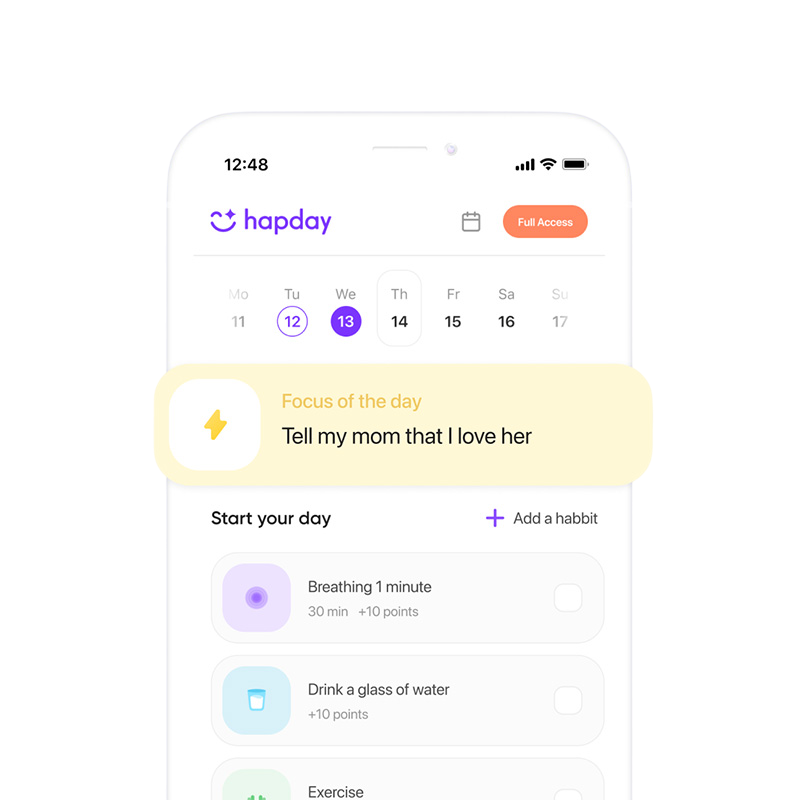
Prepared to embark on this transformative journey? A guiding hand might just illuminate the way. Consider hapday.me for tailored self-healing programs, designed to empower—a handrail toward your future of wellness.
The Bottom Line
Healing from childhood trauma is a journey of self-discovery and empowerment. Embrace your narrative, connect with supportive communities, and nurture self-compassion as you cultivate wellness and resilience in adulthood.
References
- Centers for Disease Control and Prevention. ACEs and Prevention Statistics. CDC
- Harvard Gazette. Mindfulness study shows changes in brain regions. Harvard
- Dr. Kristin Neff’s Research on Self-Compassion. self-compassion.org
- American Psychological Association. Exercise and Mental Health. APA
- National Institute of Mental Health. Trauma Therapy Resources. NIMH