



Table of Contents
- Peering into Childhood Emotional Abuse
- Spotting the Patterns
- The Science of Healing
- Pathways to Healing
- The Imperative of Healing
- Mapping Out Your Future
- Steps Forward
Key Takeaways
- Healing from childhood emotional abuse is a vital journey towards emotional fulfillment and well-being.
- Acknowledging and naming emotional pain is the first step towards recovery.
- Practicing self-compassion and engaging in therapy can facilitate healing and growth.
- Building emotional intelligence helps foster deeper connections with others.
- You are worthy of a life free from the shadows of the past.
Peering into Childhood Emotional Abuse
The marks of childhood emotional abuse aren’t etched on the skin. They run deeper—often hiding in shadows, leaving trails that one carries, sometimes unknowingly, for years to come. The American Psychological Association describes it as behaviors that impair a child’s emotional growth or sense of self-worth, even though we often overlook or dismiss such scars in favor of what we can see and touch.
“Words can comfort, they can also cut,”
— Jessica Henderson Daniel, Former Head of APA
leaving wounds that fester beneath the surface much like their physical predecessors.
Naming the roots is a step forward. Understanding that these feelings are not illusions brings a calming dose of validation. Studies—even a 2021 paper from the National Institute of Mental Health—link early emotional neglect to adulthood depression and anxiety, establishing that recognizing the abuse sets the stage for empowerment and healing.
Spotting the Patterns
Do you find yourself shying away from genuine connections? Or maybe trapped in a loop of self-critique that doesn’t see your triumphs? Those lingering shadows of childhood’s emotional neglect often play out as chronic insecurity or unease in trusting others. These aren’t mere character flaws but rather survival tactics formed in response to a habitat of scarce love. Consider Maya, 28, who, amidst the turmoil of divorce, discovered the roots of her struggles in voicing needs lay in childhood teachings that taught her silence.
The Science of Healing
The brain, a marvel of nature, harbors an awe-inspiring ability known as neuroplasticity—it self-restructures, creating new pathways, with every fresh experience. Psychiatrist Dr. Norman Doidge believes real reprieve from emotional abuse stems from birthing these new nurturing scenarios that counterbalance the old, worn tapes that play on repeat.
Through intentional acts of self-kindness and the quiet murmuring of positive affirmations, your mind can unthread those entrenched responses sown by past maltreatment.
Pathways to Healing
- Acknowledging Your Pain Mindfully: Firstly, understand that what you’ve been through holds weight and truth. Putting pen to paper in a journal allows for cathartic release, giving shape to swirling emotions. Research, perhaps circa 2020 from the NIH, suggests that expressive writing offers solace, helping unravel trauma’s tangled strands.
- Cultivating Self-Compassion:
“When we treat ourselves as tenderly as we would a close friend, we dismantle the cycle of self-criticism often rooted in abuse.”
— Dr. Kristin Neff, University of Texas
- Building Emotional Intelligence: According to Dr. Daniel Goleman, fostering emotional intelligence (EQ)—that is, understanding and articulating one’s emotions—is a lifeline when grappling with childhood neglect. This growth fosters richer, more fulfilling connections.
- Engaging in Therapy: Therapy—that soft yet sturdy life raft. Cognitive Behavioral Therapy (CBT) stands out for its ability to shift entrenched negative dialogues, as endorsed by Harvard Health Publishing. This process provides the compass needed to navigate the emotional labyrinth you find yourself in.
- Restoring Trust: Join spaces that allow you to be vulnerably you. Whether through workshops or support groups, finding a community that mirrors your journey cultivates trust and belonging, pivotal in your pursuit of healing.
The Imperative of Healing
You are worthy of a life unshackled by past echoes. The National Institutes of Health assert that addressing old wounds fortifies emotional resilience, enriches relationships, and promotes mental well-being.
Mapping Out Your Future
Picture this: a morning where the sun feels warmer, and the reflection less daunting. Claim your life’s story by acknowledging every chapter, and step forth into relationships with openness and calm. When you choose healing, you plant seeds of authenticity and joy in life’s garden.
Maya’s divorce became not an end but a profound beginning. She dared to walk through her pain, rewriting her narrative. Yes, it took time—nothing profound is ever instantaneous. Yet, the newfound trust she discovered stands as a beacon shining on the road to healing.
Steps Forward
The path from childhood emotional abuse to a lighter existence is trudged by many before and beside you. You’re allowed kindness—from yourself, especially. Seek therapy. Gently tend to your emotional wounds. Rewrite your emotional script with deliberate acts of compassion.
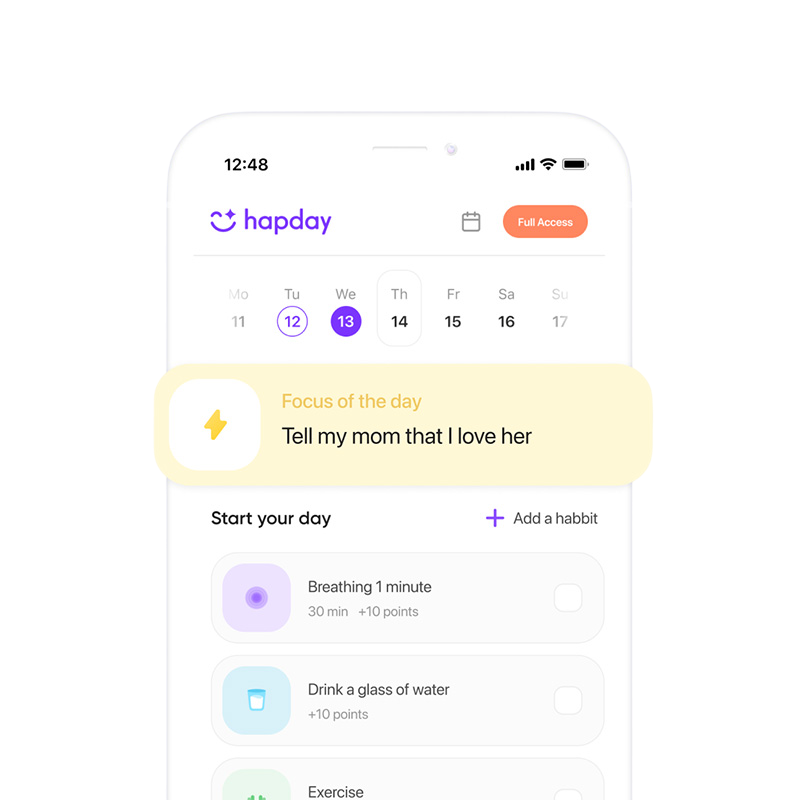
Discover the guided programs at Hapday, a platform dedicated to self-healing and emotional well-being. Learn how acknowledging and nurturing your inner child makes way for empowerment. Enkindle a transformative journey at Hapday.
The Bottom Line
Beginning this journey is a task of fortitude, yet armed with understanding, support, and love, you possess the tools needed to reclaim your spirit. As you move forth, patience—your loyal companion—reminds you healing is an art crafted over time. May your path be one of growth, strength, and self-compassion.