



In the haze of a quiet evening, Jessica found herself alone in her modest apartment, the fading daylight casting shadows on her walls. An open laptop sat before her, its bluish glow the sole illumination against the encroaching dark. Her fingers trembled above the keys, paralyzed between a thought and its articulation. For years, Jess had been the steadfast one, the unwavering support in the turbulent tides of family struggles. Yet, beneath that facade of strength lay something altogether different—a fragile core, worn thin by the invisible burden of years of neglect and emotional manipulation. “Why can’t I just move on?” her mind echoed, a question many pause to ponder in moments of silent introspection. If you ever feel trapped in such fog, wondering if anyone else gets it, rest assured—you’re far from alone.
Healing from childhood emotional scars is not merely about mending past wounds; it’s about reshaping these learned, often insidious behaviors that weave through our adult lives. A haunting statistic: back in 2021, the Centers for Disease Control and Prevention reported that about 17% of American adults had endured significant emotional abuse during their formative years. These deeply rooted issues manifest later as anxiety, depression, or troublesome, repetitive relational patterns.
“Understanding the root of these patterns is your first weapon against them. Healing means reclaiming your narrative, rewriting it with kindness.”
— Dr. Sarah Chen, Clinical Psychologist
But where does one commence such a complex journey?
Table of Contents
- Understanding Emotional Abuse Patterns
- Identifying Your Patterns
- The Science of Trauma and Its Effects
- Therapy: A Guiding Light
- Embracing Self-Compassion
- Building Healthy Relationships
- Reclaiming Joy and Passion
- Envisioning a Future Unburdened by the Past
- Support and Community Healing
- Moving Forward with Hope
Key Takeaways
- Emotional abuse from childhood can manifest as anxiety, depression, and unhealthy relationship patterns in adulthood.
- Identifying and understanding your emotional abuse patterns is crucial for healing.
- Therapy is an effective way to navigate trauma and reshape your thought patterns through techniques like CBT and EMDR.
- Embracing self-compassion helps in reducing negative self-talk and builds resilience.
- Building supportive relationships and rediscovering joy can significantly aid in healing.
Understanding Emotional Abuse Patterns
First, let’s unpack what these patterns look like. Emotional abuse, unlike its physical counterpart, leaves no bruises or scars, but it erodes a child’s self-worth through constant criticism, belittlement, intimidation, and neglect. Recognizing this can be like peeling away layers of a long-hidden truth.
Maya, now 28, reflects on her divorce as a pivotal moment—forcing her to confront the echoes from her past. “Therapy opened my eyes to how my marriage mirrored the dynamics I grew up with,” she admits. It’s alarming, observing those childhood shadows in your adult life. By addressing these issues in therapy, Maya began understanding how she’d normalized relationships built on neglect and criticism—solid steps towards breaking these unsought patterns.
Identifying Your Patterns
Begin with self-reflection. This involves scrutinizing personal relationships for recurring themes. Do you gravitate towards partners who belittle you? Or find yourself the perpetual peacemaker, prioritizing harmony over your own needs?
“Patterns aren’t destiny; they’re learned reactions to past events, which means they can be unlearned, too.”
— Dr. Amir Sadeghi, Trauma-Informed Therapist
When stressed or confronted, are you retreating into silence or compulsively appeasing others? These questions might open doors to reflection.
The Science of Trauma and Its Effects
Such emotional abuse doesn’t just fade with time; it carves changes into the brain itself. A study by the National Institutes of Health notes trauma’s potential to alter the amygdala, the part of the brain monitoring threats. This leaves individuals feeling hyper-vigilant or emotionally distanced, reacting intensely to what should be minor events.
In Dr. Sadeghi’s words, “Understanding trauma helps to recalibrate your brain’s responses. Neuroplasticity means the brain can reshape itself, discarding harmful patterns.” Therapy, mindfulness, and gradually learning to let go are tools to encourage this transformation.
Therapy: A Guiding Light
Engaging with a therapist well-versed in these matters is among the best ways forward. Therapies like Cognitive Behavioral Therapy (CBT), Eye Movement Desensitization and Reprocessing (EMDR), and inner child work are particularly effective. As per the American Psychological Association, CBT boasts a success rate between 60–75% for trauma-related disorders.
Through therapy, Jessica disentangled the difference between constructive criticism and toxic disparagement—a clarity she’d rarely encountered in her upbringing. This self-awareness alleviated her self-reproach and untangled her compulsive need to mend others.
Embracing Self-Compassion
Perhaps the most transformative step in healing from these past wounds is learning self-compassion. Dr. Kristin Neff, who spearheads research into self-compassion, asserts that it means extending to oneself the same kindness we’d naturally offer a dear friend.
Start simply: be mindfully aware of your feelings. Accept them without haste to dismiss. When negative self-talk rears up—challenge it. Replace “I’m not enough” with “I am doing my best, and that’s sufficient.” Practicing this not only builds emotional resilience but gradually weakens the grip of those damaging, inherited patterns.
Building Healthy Relationships
To help dismantle lingering cycles of emotional abuse, seek relationships defined by mutual respect and support. Surrounding oneself with those who listen without judgment, who celebrate victories with you and stand by during moments of failure, is essential. Establish boundaries too, ensuring distance from toxic dynamics becomes a priority.
Kayla, 32, recalls her own journey: “I chose friends who valued me for who I am, not for what I could offer. Recognizing my worth after years of depletion wasn’t easy.” Through boundary-setting, you don’t just shield yourself from potential harm; you affirm your renewed self-worth.
Reclaiming Joy and Passion
Part of healing demands rediscovering activities that spark joy. Reengage with hobbies or chase new interests to bolster your identity. Whether it’s through painting, hiking, or volunteering, these pursuits foster empowerment and disrupt the cycle of negative self-perception.
Envisioning a Future Unburdened by the Past
Imagine a life where your childhood’s weight doesn’t dictate your every choice. It’s not about erasing the past; rather, it’s about weaving it into a narrative of resilience and hope—all while setting and achieving small, realistic goals. Each step forward, no matter how slight, rebuilds confidence and self-esteem.
Support and Community Healing
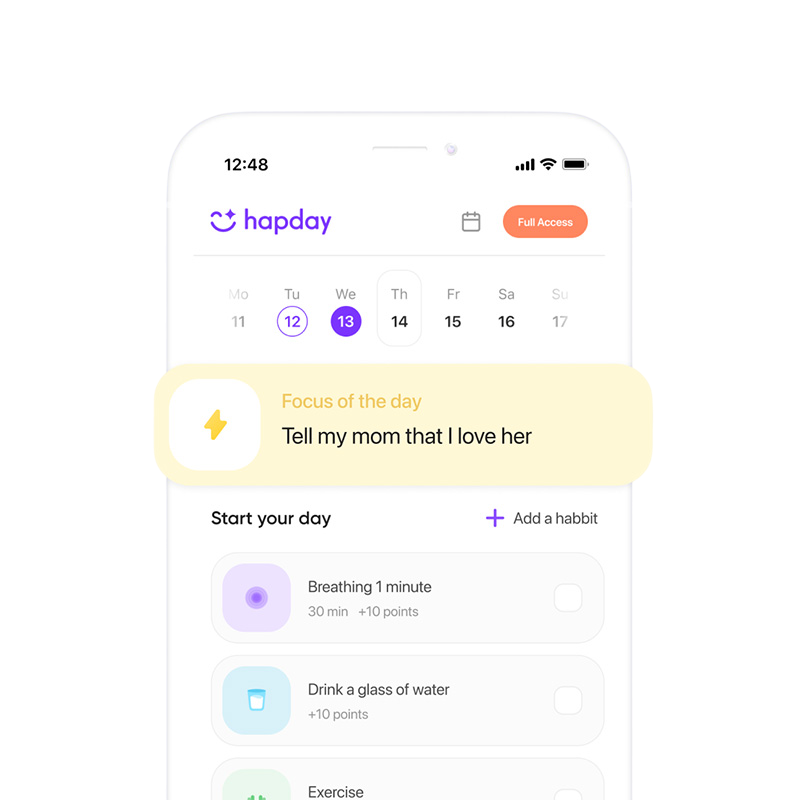
Never underestimate shared experiences’ power. Support groups, online communities, and wellness platforms, like hapday.me, provide crucial resources and discussion spaces. Dr. Chen reminds us, “Community is critical in realizing you’re not alone. Trading stories can prove profoundly uplifting and validating.”
Moving Forward with Hope
Remember, this journey of healing is deeply personal and rarely linear. You might find freedom in understated victories or in seismic shifts in perspective as you reclaim your narrative. Jessica, Maya, Kayla, among many others, are rewriting theirs. You hold the strength to chart a similar path, one compassionate step at a time.
Ultimately, embarking on this healing odyssey empowers you to reclaim your existence, letting painful memories cultivate ground for growth. Your past doesn’t define your future; instead, it could propel a legacy of strength and transformation.
The Bottom Line
Healing from childhood emotional abuse requires understanding, support, and the courage to confront deep-seated patterns. By engaging in self-reflection, therapy, and fostering self-compassion, you can pave the way for a healthier future and reclaim joy in your life.
Embrace your healing journey with support from programs offered through hapday.me, where guided self-healing and daily emotional support await. Curious about this path? Take a step further and explore hapday.me.
References
- Centers for Disease Control and Prevention – cdc.gov
- National Institutes of Health – nih.gov
- American Psychological Association – apa.org