



Table of Contents
- Unraveling the Past to Understand the Present
- The Science of Healing: Your Brain Can Change
- Strategies for Fostering Adult Wellness
- Transforming Insights into Action
- Staying Committed to the Journey
- In Embarking on this Path
Unraveling the Past to Understand the Present
Childhood trauma — is it just a thing of the past? Not quite. It weaves its influence into adult life in ways we might not even notice. The American Psychological Association has long emphasized how these early wounds carve pathways into our emotional and physical health far beyond youth. Anxiety, depression, sometimes physical ailments—they often trace back to these early adversities. Understanding these intricate connections is essential for nurturing wellness.
Take the case of Maya, aged 28. When her divorce unfolded, it wasn’t just heartbreak; it was an overwhelming abandonment. Only through therapy did she unravel the link to her father’s absence during her formative years.
“Underpinning her struggles was a familiar narrative of loss.”
— Dr. Rachel Forte, Psychologist
Recognizing these ties can be the key to liberation from old patterns.
The Science of Healing: Your Brain Can Change
The concept of neuroplasticity offers a glimmer of hope for those navigating through past traumas. Essentially, the brain can, and does, change its own wiring. Far from being perpetually stuck in “survival mode,” individuals can adapt.
“Our brains are wired to be resilient and adaptable.”
— Dr. Albert Chen, UCLA
Techniques like meditation and therapeutic interventions can spark positive changes by encouraging new neural pathways.
Looking at cognitive-behavioral therapy (CBT), it’s not merely a treatment; it’s a foundation. CBT restructures those disruptive cognitive habits, so emotions are processed in a healthier, more constructive manner—step by step, paving a new path.
Strategies for Fostering Adult Wellness
- Embrace Mindfulness and Meditation
The power of mindfulness isn’t just in serenity; it lies in its simplicity. Regular practice of being in the moment brings down cortisol—the very stress hormone wreaking havoc in our systems. A Harvard study found clear benefits in routine meditation. Just five minutes a day can be your start. Apps like Headspace make it easy. Remember, it’s not about perfect execution but consistent effort.
- Build a Support Network
Healing doesn’t happen in isolation. It’s something to be shared. A strong support network—be it loved ones, or a community group—can be life-changing. Think of Mara, a marketing executive who found a nurturing environment in her local trauma recovery group. Sharing collective experiences revived her hope. The National Child Traumatic Stress Network can be a gateway to these supportive spaces.
- Harness the Power of Creativity
Creative pursuits—painting, writing, music—are more than hobbies; they’re vital outlets. For many, including Anna, a survivor of neglect, these outlets are lifelines. Anna’s journaling was more than pen to paper; it paved a journey towards self-discovery and healing. Creativity doesn’t demand perfection, just engagement.
- Prioritize Self-Compassion
Those who’ve survived traumatic childhoods often carry an internal critic that voices doubts and insecurities. Learning to practice self-compassion—treating oneself with kindness rather than criticism—can transform one’s inner dialogue.
“Replacing that critical voice with a more compassionate one is vital.”
— Dr. Kristin Neff, Author
- Affirmations and Visualization
Planting seeds of hope—affirmations and visualization—can shift your mental landscape. Changing the narrative of your inner voice transforms perceptions. A simple morning mantra could be your new beginning.
“Visualization opens pathways, showing you realities beyond trauma.”
— Dr. Sarah Chen, NYU
Key Takeaways
- Childhood trauma significantly influences adult emotional and physical health.
- Neuroplasticity allows the brain to adapt and heal through new experiences.
- Support networks and creative outlets are vital for the healing journey.
- Self-compassion and positive affirmations can transform negative inner dialogues.
Transforming Insights into Action
Knowing is different than doing, right? So, how do we bridge the gap? Consider these few strategies:
- Weekly Reflection: Reflect on your emotions weekly, perhaps through journaling as a means to monitor progress.
- Create a Wellness Plan: Tailor a wellness plan specific to your needs—incorporate exercise, nutrition, and mental wellness.
- Seek Professional Guidance: An expert’s perspective, such as a therapist’s, can be instrumental. Whether it’s through EMDR or traditional therapy, professional help offers substantial gains.
Staying Committed to the Journey
Be mindful—healing isn’t a sprint. It’s a journey punctuated by ups and downs. Encouragement… resilience… reflection—appreciate these along the way. Janine, a trauma survivor, reflected on her zigzagging path to healing. Over time, she saw patience rewarded with growth.
Remember the strength you harbor, etched into your story. Embrace that narrative with courage, knowing each step forward is a tribute to your resilience. You’re not venturing this path alone.
In Embarking on this Path
Fostering wellness post-trauma takes time, but with each intentional action—mindfulness, connection, creativity—your path reveals newfound strength. This is your story, intimately yours, one written with inner strength and grace.
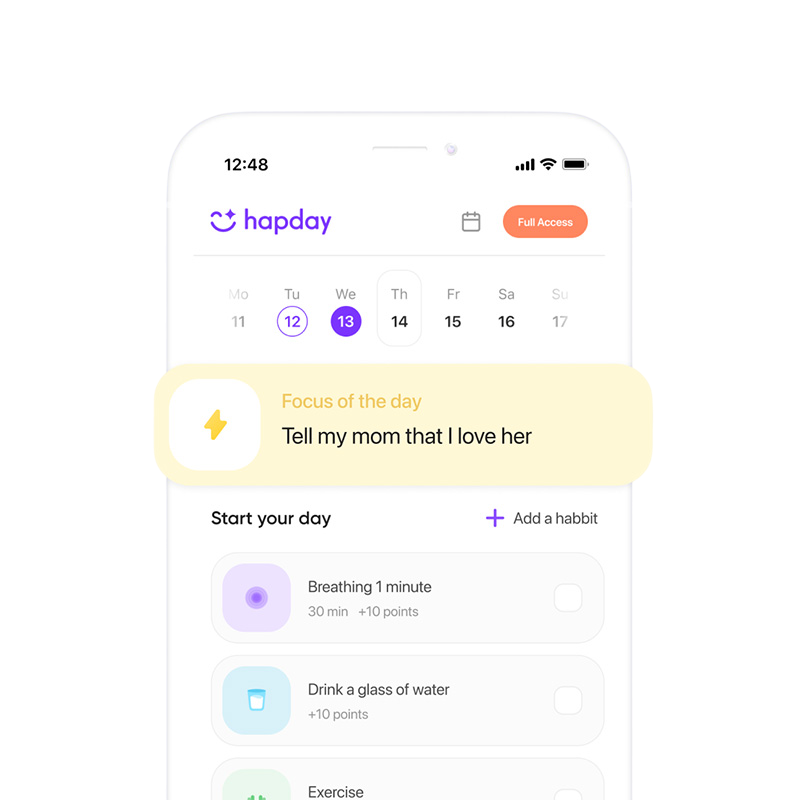
To further support your journey, hapday.me offers expert-led self-healing programs focused on empowering your emotional journey. The narrative you’re crafting is still unfolding; let it be one of healing, resilience, and ultimate empowerment.
The Bottom Line
Healing from childhood trauma is a complex but achievable journey. With perseverance and the right strategies, you can transform your experiences into a narrative of empowerment and resilience.