


Table of Contents
- The Echoes of Childhood Trauma in Our Adult Years
- Why Unpacking Childhood Trauma is Essential for Wellness
- Steps to Foster Wellness and Healing
- Pressing Onward: Converting Pain into Purpose
Key Takeaways
- Childhood trauma significantly influences adult emotional health and relationships.
- Self-compassion and boundary-setting are vital tools for healing.
- Professional guidance and community support can aid in recovery.
- Mind-body practices foster holistic wellness and emotional stability.
- Transforming pain into purpose is a powerful aspect of the healing journey.
Consider this: you’re nestled in a cozy corner of a café, the steam from your latte mingling with the distant hum of chatter. Seems ordinary enough. Yet, beneath the surface lies a quiet echo of childhood memories—remnants that relentlessly trail behind, shaping unseen choices and connections. Feel that tug? You’re far from alone. Carrying the weight of childhood trauma into our present can subtly—and often profoundly—steer how we perceive ourselves and the world. But how does one navigate the complex currents of healing and growth in adulthood? This is a journey, not a sprint. Let’s unpack it.
The Echoes of Childhood Trauma in Our Adult Years
Think about Maya, she’s 28. Not too long ago, she extricated herself from what seemed a mutual parting with her spouse. Despite her circle rallying behind her, she was seized by an engulfing sense of isolation. For Maya, it wasn’t just the heartbreak—it dug up old wounds of childhood neglect. The National Institute of Mental Health tells us about 60% of adults recount adverse childhood experiences (ACEs). These often ripple into an adulthood cloaked in anxiety and depression—complex PTSD not being uncommon either. Acknowledging these silent narratives is pivotal for growth.
“Our brain’s capacity to heal is remarkable, even after years.”
— Dr. Sarah Chen, NYU
Understanding these dynamics isn’t just illuminating; it’s empowering. A path to healing awaits.
Why Unpacking Childhood Trauma is Essential for Wellness
The whispers of childhood trauma weave through our adult struggles, often framing our responses and shaping our health. The CDC, in 2019, revealed a disquieting link between ACEs and mental health challenges—a potential precursor to chronic illnesses, even shortening our days. Tackling these underpinnings lightens emotional weights and enhances our joy.
Take emotional turbulence, for example—Maya’s abandonment fears resonating from a tumultuous childhood. If stability and safety were scarce back then, our nervous systems recalibrate defensively. Yet, flourishing becomes conceivable when we restructure these pathways into ones of secure attachments.
Steps to Foster Wellness and Healing
1. Welcome Self-Compassion and Care
Your approach to self should be kind. Adverse beginnings often seed persistent shame and inadequacy. But healing sprouts from self-compassion.
“Self-gentleness cools anxiety, boosting resilience.”
— Dr. Kristin Neff
Why It Matters: The University of Texas found self-compassion tames the fight-or-flight response, offering a calm reprieve.
How to Get There: Recognize your struggles without criticism. Speak kindly to yourself. A comforting hand on your chest—simple, impactful. Choose enriching actions—a stroll, a soothing bath, jotting thoughts down…
2. Forge and Honor Boundaries
Boundaries shape a sanctuary for healing. Perhaps, your early years muted your limits, nurturing patterns of self-effacement.
Why It Works: Boundaries affirm your value. They define where you end and others begin—essential for emotional safety.
How to Apply Them: Pinpoint fragile boundaries. Speak your needs using ‘I’ statements. Embrace ‘no’—it’s enough. A firm step towards safeguarding your wellness.
3. Seek Guidance and Community
Professional insight is transformative. Cognitive Behavioral Therapy (CBT) or Eye Movement Desensitization and Reprocessing (EMDR) have shown promise in unraveling trauma’s grip.
Why It Matters: Healing environments hosted by therapy allow traumatic stories to shift, reshaping harmful mindsets, quelling distress.
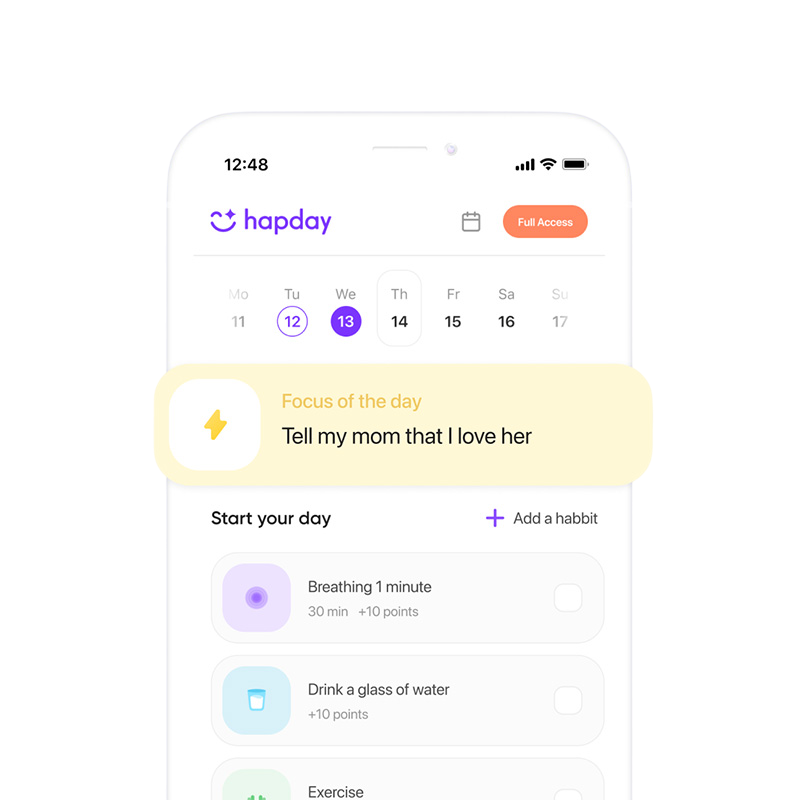
How to Approach: Engage a trauma-informed therapist. Support networks—online or in-your-community—foster connection. Hapday.me heralds custom programs bolstering emotional restoration.
4. Engage in Mind-Body Harmony
Merging practices like yoga or mindful meditative moments tethers body to mind, cultivating peace.
Why It’s Effective: The Journal of Traumatic Stress underscores mindfulness as a balm, mitigating PTSD symptoms by anchoring us in the present.
How to Integrate: Start small, perhaps guided meditations on a wellness app. Engage in gentle yoga to heighten bodily attunement, releasing what lingers. The goal? Consistency—perfection is unnecessary.
5. Nurture Healthier Relationships
Trauma twists trust, invents barriers to closeness—discoloring our social realms. Healing is about rejuvenating those bonds with safety and support.
Why It Lightens: Positive social ties prompt oxytocin release—a much-needed comfort. Harvard Health correlates strong relationships with thriving spirits.
How to Evolve: Evaluate connections and slowly step back from toxicity. Share your healing story with trusted allies for mutual respect and insight.
Pressing Onward: Converting Pain into Purpose
Healing from childhood trauma is an intimately weaving journey, rich in breakthroughs and setbacks alike. Yet every forward inch whispers of courage, rewriting life’s chapters. Remember, you’re not shackled to your past. You’re crafting a narrative built on resilience, framed by burgeoning self-love.
In doubt, remember Maya. She now enfolds her solitude not as a shadow, but a space to rediscover self-worth. She exemplifies transformation—not just change.
The Bottom Line
By nurturing these practices and insights, you’re gifting yourself healing that transcends past traumas, welcoming a life brimming with resilience, deep-seated joy, and holistic wellness.
References
- National Institute of Mental Health. (n.d.). Understanding Trauma and Recovery.
- CDC. (2019). Protective Measures Against Adverse Childhood Experiences.
- APA. (n.d.). Exploring Trauma: Paths to Healing.
- Harvard Health. (n.d.). The Strength in Supportive Relationships.
May this guide illuminate your pursuit of well-being and offer hope—shaping a future unbounded by yesterday’s shadows, but by tomorrow’s promise.