



Table of Contents
- Deciphering the Echoes of Childhood Trauma
- The Science of Healing
- Acknowledging and Confronting Trauma
- Building Emotional Strength
- Reframing Self-Worth
- Bridging the Mind-Body Divide
- Expert Interventions
- Creating a Future of Wellness
- The Bottom Line
- References
Key Takeaways
- Childhood trauma significantly influences adult self-worth, relationships, and mental health.
- Acknowledgment and professional help are crucial first steps toward healing.
- Emotional resilience can be cultivated through self-compassion, mindfulness, and community support.
- The brain’s neuroplasticity allows for healing and growth, regardless of past trauma.
- Your identity can be reshaped from a trauma survivor to an architect of your own well-being.
In the quiet corners of Sarah’s childhood home, she often retreated into a vibrant world of her own making—her imagination, a safe haven from sharp words and silence so palpable it stung. Today, as she navigates adulthood, that imaginative world still tugs at her, a whisper of inadequacy shadowing her steps despite apparent success. Does any of this echo your life? You’re definitely not alone. Childhood trauma lurks in the background of many adults’ lives, crafting narratives that steer our thoughts, shape our relationships, and shade our daily experiences. But here’s the transformative truth—learning how to nurture wellness in adulthood despite past trauma isn’t just doable; it’s an unfolding journey of self-discovery where you can thrive, even if yesterday’s shadows linger.
Deciphering the Echoes of Childhood Trauma
It’s unsettlingly common—childhood trauma. The CDC tells us that nearly two-thirds of adults have encountered at least one adverse childhood experience (ACE). These encounters cast a long shadow, influencing self-worth, connections with others, even physical health as the years roll on.
“Yes, the impact of childhood trauma can seem lifelong, but remember, the brain has a surprising adaptability.”
— Dr. Rachel Newlon, Trauma Therapist
Adults carrying these burdens might show it in persistent anxiety, struggles with closeness, or low self-esteem. The CDC and Kaiser Permanente’s ACE Study illustrates that those with high ACE scores face elevated risks of depression and anxiety. The first step in loosening trauma’s grip is recognizing these intricate ties.
The Science of Healing
Why such profound effects, and how do we tackle them? Trauma stretches its roots into our brain’s development, particularly influencing the amygdala and prefrontal cortex, the areas handling emotions and executive functions.
“Trauma often keeps us hyper-alert, seeing threat where none exists, making ordinary situations feel distressing.”
— Dr. Sarah Chen, Clinical Psychologist
Neuroplasticity provides a glimmer of hope though—the brain can weave new connections, mending these patterns.
Acknowledging and Confronting Trauma
Peeling back the layers of how childhood trauma casts its shadows can seem daunting. It’s easy to push away painful memories, but acknowledgement paves the path forward. Could it be that ignoring is easier? Sure, but reflection allows us to start afresh.
- Self-Awareness: Noticing emotional patterns is crucial. Withdrawn from relationships? Often self-critical? These signals deserve your attention.
- Professional Help: Therapy offers a structured space for exploration. Approaches like Cognitive Behavioral Therapy (CBT) and Eye Movement Desensitization and Reprocessing (EMDR) are well-supported methods.
Building Emotional Strength
Once trauma’s impact is acknowledged, how do we nurture wellness? Emotional resilience isn’t just a trait; it’s something we can cultivate.
- Practicing Self-Compassion: Imagine talking to yourself as you would to a cherished friend: with kindness, patience, maybe a touch of humor. Kristin Neff’s research underscores self-compassion’s role in resilience. Self-compassion—seeing your humanity in all its flawed glory—sparks healing.
- Embracing Mindfulness: Mindfulness anchors you to the present, easing anxieties of the future and regrets of the past. Insights from Harvard’s Center for Mindfulness reveal its power to dial down emotional reactivity and enhance regulation skills. Start with simple moments—a breath, a sensation, a pause.
- Creating a Supportive Network: Healing isn’t solitary. As Maya, recently divorced at 28, discovered, leaning into friendships is transformative. Community—whether friends, family, or support groups—echoes understanding and nurtures a sense of belonging.
Reframing Self-Worth
Transforming self-criticism into acceptance involves re-evaluating your internal stories.
- Journaling: Use expressive writing to unravel your narrative, observing patterns over time.
- Affirmations: Positive self-talk can gradually replace harsh narratives, albeit awkwardly at first.
“Structuring our lives and pursuing goals is central to well-being.”
— Dr. Robert W. White
Gaining this autonomy is fundamental to reshaping self-worth post-trauma.
Bridging the Mind-Body Divide
Trauma isn’t solely emotional; it’s physical. Activities connecting body awareness can be profound.
- Movement: Exercises like yoga or tai chi calm the nervous system. Harvard Health Publishing notes endorphins from exercise reduce stress.
- Breathwork: Controlled breathing lowers stress, enhancing focus and mental clarity.
Expert Interventions
Professional support unravels the intricate web of trauma.
- Therapies: Besides CBT or EMDR, explore trauma-informed therapy and Dialectical Behavioral Therapy (DBT) for a tailored approach.
- Medication: For severe anxiety or depression, medication may be necessary. A healthcare provider can guide you.
Creating a Future of Wellness
Rebuilding post-trauma is more than addressing the past; it’s about crafting a future that feels free. Though this journey might seem never-ending, healing is happening globally every day. As Dr. Sarah Chen observes,
“Your trauma isn’t defining. It’s your actions that reveal its true impact.”
— Dr. Sarah Chen, Clinical Psychologist
Imagine yourself, not a trauma survivor, but an architect of your own well-being. By choosing resilience, self-compassion, and community, your world of possibilities extends far beyond past events.
The Bottom Line
Let your healing be a testament to your remarkable strength. You have the tools, the insight, and the courage to redefine life with wellness and joy at the helm.
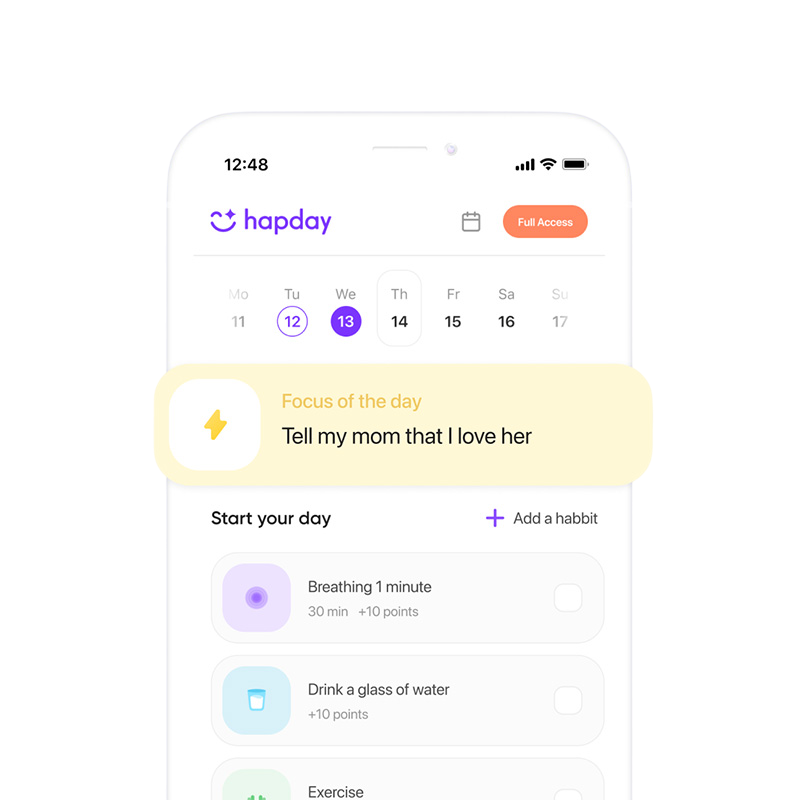
For continued healing and resources in support of emotional growth, Hapday.me offers programs dedicated to fostering wellness post-childhood trauma. Explore more at https://hapday.me/.
References