



Table of Contents
- Understanding Childhood Trauma
- Recognizing the Signs
- Healing the Inner Child
- Practical Steps to Take Now
- Building Healthy Relationships
- Embracing Forgiveness
- Moving Forward
Key Takeaways
- Understanding childhood trauma is essential for emotional healing.
- Recognizing signs of trauma can guide individuals toward treatment and support.
- Practices like mindfulness, journaling, and self-compassion aid in healing.
- Building healthy relationships and community support fosters resilience.
- Forgiveness is a powerful tool for freeing oneself from the past.
Every morning, as Maya cradled her coffee cup, a subtle emptiness lingered. Not just the craving for caffeine. No, there was something deeper—an ache rooted in unmet needs and silent childhood tears. Raised in an environment where affirmation was scarce, those early wounds silently shadowed her, seeping into adult relationships and work, leaving her feeling—well, isolated, misunderstood. Does Maya’s tale strike a chord for you? If so, you’re certainly not alone. Many individuals embark on the grueling yet transformative journey of healing childhood trauma, navigating towards emotional wellness through self-discovery.
Understanding Childhood Trauma
Childhood trauma isn’t a monolith. It arises from various experiences—emotional neglect, abuse, witnessing distressing events. Back in 2021, a revealing study hinted that around 61% of adults in the U.S. had endured some form of emotional trauma during childhood. But here’s the kicker: Trauma is less about what happened and more about how those incidents sculpt your perception of self—and the world around you.
“Trauma doesn’t always scream catastrophic event. Often, it’s the whispering accumulation of smaller, everyday emotional voids that alters a child’s brain, rewiring how they view themselves.”
— Dr. Sarah Chen, Clinical Psychologist, NYU
In those tender years, your brain is absorbing, learning, forming. Negative experiences can mar this pristine process, influencing brain chemistry and laying a tricky foundation for later struggles with emotional regulation, trust, and self-worth.
Recognizing the Signs
Unraveling the tendrils of childhood trauma as an adult? That calls for introspection, sometimes even a professional’s guiding hand.
- Emotional Dysregulation: Are your emotions a tempest, swinging to extremes? This could be a vestige of childhood trauma, setting the stage for lifelong emotional battles.
- Low Self-Esteem: Perpetual worth-questions might trace back to a childhood devoid of affirmation.
- Trust Issues: A struggle to trust others may find its roots in early betrayals or neglect.
- Physical Symptoms: Chronic health woes or persistent anxiety can also lurk as specters of past trauma.
“Those like Maya, navigating adulthood, often feel ensnared—efforts seem futile, progress elusive. These struggles often have deep roots.”
— Dr. Sarah Chen, Clinical Psychologist, NYU
Healing the Inner Child
Acknowledging your inner child—who’s possibly been frozen in yesterday’s turmoil—is often where healing begins. Here’s how you might start:
Reparenting Yourself
Reparenting? It’s about nurturing your inner child with love. Dr. Stephanie Jones, a seasoned therapist, emphasizes: “Reparenting grants you the opportunity to fill those childhood voids.”
- Unconditional Love: Recognize your intrinsic worth, beyond outer validations. Writing affirmations like “I am enough” positively reframes how you see yourself.
- Setting Boundaries: Saying no and establishing limits safeguard your emotional realm, fostering personal safety.
- Emotional Freedom Techniques: Practices like tapping or meditation aid in navigating traumatic feelings, offering liberation.
Therapy and Support Groups
Therapeutic support, whether one-on-one or in groups, provides a compassionate space for deep emotional exploration. Whether it’s CBT, EMDR, or other methods, therapy offers proven avenues to process trauma.
“Support groups validate emotions—a cornerstone of mental wellness.”
— Dr. Stephanie Jones, Therapist
Take Josh, a 33-year-old designer, who found solace within a trauma support group. He learned to voice emotions long bottled up, transforming them into personal insights and strength.
Practical Steps to Take Now
Healing isn’t a sprint; it’s a marathon—requiring self-compassion and patience along the way.
Practice Mindfulness
Mindfulness anchors you to the present, reducing stress and enhancing emotional regulation. Data from Harvard in 2021 suggested that mindfulness indeed supports stress reduction and emotional health.
Journaling
Journaling articulates feelings, giving them structure—making them understandable. It’s a step towards validating and gaining perspective on emotions.
Cultivate Self-Compassion
Understanding that mistakes are part of the healing tapestry is critical. Be as gentle and kind to yourself as you’d be to a cherished friend.
“Self-compassion means treating oneself with the tenderness and understanding you’d offer a friend.”
— Kristin Neff, Self-Compassion Researcher
Building Healthy Relationships
Healthy relationships undergird emotional wellness. With friends, partners, or family, nurturing supportive environments boosts positive change.
When Maya finally opened up to trusted individuals, she found a community echoing her story, turning emotional wounds into collective resilience.
What to do: Initiate candid conversations in relationships, practicing active listening and clearly expressing personal needs.
Embracing Forgiveness
Forgiving isn’t about absolving the past; it’s about shedding the shackles of resentment—for yourself. It’s an act of liberation.
“Forgiving reshapes reality, setting you free from past chains.”
— Dr. Sarah Chen, Clinical Psychologist, NYU
Moving Forward
Healing childhood trauma is a deeply personal, multi-layered journey. It’s about understanding pain origins, actively pursuing healing, and building a nurturing community.
On this path—new or seasoned—remember: happiness, fulfillment, and peace are your due as you journey towards self-awareness and emotional resilience.
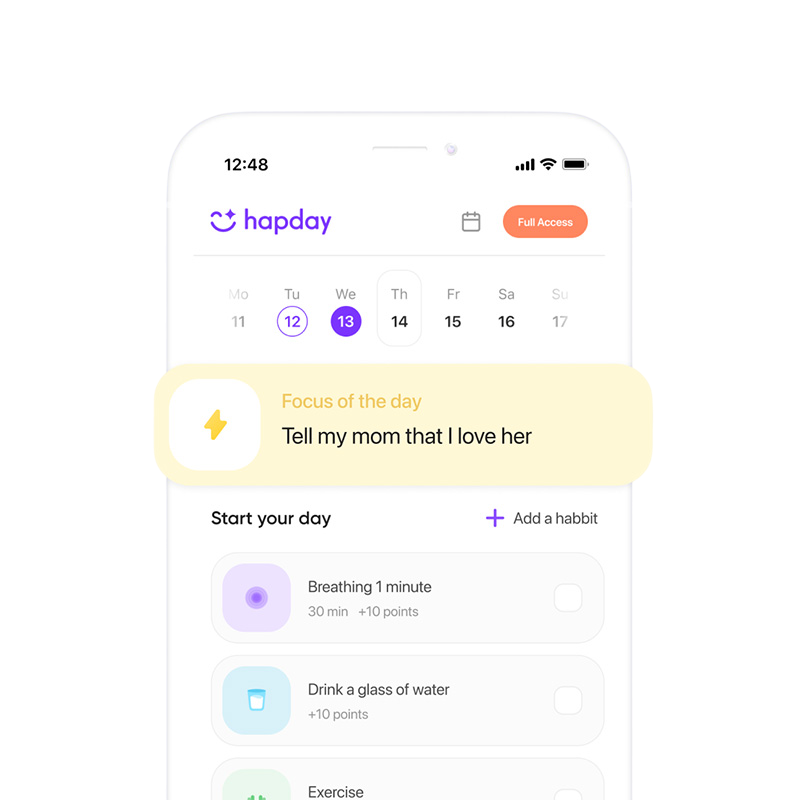
And hey, if you’re curious to explore more routes toward healing and nurturing emotional wellness, consider joining hapday.me’s wellness platform. Offering guided self-healing programs and daily support, it’s a gateway to transformation and growth. Check out hapday.me today.
The Bottom Line
Through understanding and compassion, you’re on a transformational journey towards an emotionally rich life—free from past chains, and full of potential.