



Table of Contents
- Understanding the Impact of Childhood Trauma
- Rediscovering Self-Worth: The Science Behind the Journey
- Finding Your Voice: Embracing Self-Expression
- Building Secure Relationships: A Foundation of Trust
- Practicing Self-Compassion: The Heart of Healing
- Challenging Limiting Beliefs: A Cognitive Shift
- Embodying Worth: A Physical Practice
- Looking Ahead with Hope
Key Takeaways
- Understanding the lasting impact of childhood trauma is crucial for healing.
- Neuroplasticity allows us to rebuild self-worth through new positive experiences.
- Creative self-expression is vital in voicing feelings and enhancing self-awareness.
- Building secure, respectful relationships helps to mirror and affirm self-worth.
- Practicing self-compassion can significantly reduce anxiety and improve emotional health.
Understanding the Impact of Childhood Trauma
Childhood trauma is multifaceted—emotional neglect, abuse, unstable homes. A report by the Centers for Disease Control and Prevention (CDC) reveals that nearly one in six adults faces significant challenges due to adverse childhood experiences (ACEs). These experiences leave lasting imprints, often skewing our self-perceptions.
“The foundational years shape our self-view as adults. Traumas can imprint damaging beliefs.”
— Dr. Sarah Chen, Clinical Psychologist, NYU
Realizing the deep impacts of these experiences is an essential stepping stone on the journey of healing.
Rediscovering Self-Worth: The Science Behind the Journey
Building self-worth anew is truly a transformative journey. It’s rooted in neuroplasticity—the incredible capacity of our brains to modify and adapt through new experiences. Research from Harvard suggests our brains, remarkably, remain flexible across our lifetimes, allowing old patterns—etched by childhood—to be rewired.
Science offers a beacon of hope. Engaging in positive activities and nurturing self-love? It literally transforms our brain’s wiring. This isn’t fluff; it’s hard science.
Finding Your Voice: Embracing Self-Expression
Speaking up is a radical act of reclamation. If your voice was stifled while growing up, expressing yourself can be liberating. Whether through painting, writing, or music, creative channels can become allies in this fight.
Take Maya, 28, turning to poetry post-divorce.
“Writing poetry allowed me to voice feelings otherwise unspeakable. It was like granting myself permission to exist.”
— Maya, Poet
Why does it resonate? Creative expression helps unpack bottled emotions, leading to a deeper self-awareness—critical steps to affirming inherent worth.
Building Secure Relationships: A Foundation of Trust
Post-trauma, trust is hard to build. Yet, secure relationships stand central to nurturing self-worth. Being around those who cherish and validate you creates a mirror where you truly see your value.
“Seek connections where boundaries are respected. These bonds act as lenses, helping us perceive our own worth.”
— Jessica Erikson, Trauma-Focused Therapist
Respectful interactions gradually rebuild self-esteem eroded by early life experiences. By internalizing affirmations, our self-perception shifts healthily.
To start, evaluate your current circle. Highlight relationships nurturing your worth. Speak freely about your needs; see how redefining boundaries changes interactions.
Practicing Self-Compassion: The Heart of Healing
At any healing journey’s core lies self-compassion—being kind to yourself, just as you would to a dear friend.
“It’s about acknowledging our shared humanity, embracing our imperfections, and treating ourselves gently.”
— Kristin Neff, Self-Compassion Researcher
Why is self-compassion crucial? When practiced, the brain’s amygdala—its threat hub—reduces stress reactions, helping dampen trauma-related anxieties.
To cultivate this, begin with mindfulness exercises, practicing kindness through emotional drift. When self-doubt looms, offer yourself comforting truths like, ‘You’re not alone in this,’ or ‘You are enough.’
Challenging Limiting Beliefs: A Cognitive Shift
Our beliefs often quietly direct our lives. For trauma survivors, these are often negative, like “I’m not enough.” But they can be challenged.
How does it work? Techniques like Cognitive Behavioral Therapy (CBT) have shown success in revising these beliefs by changing thought patterns and reducing negativity.
If starting fresh, keep a journal—a space for negative thoughts. Examine evidence that contradicts limiting beliefs, paving way for new, healthier narratives.
Embodying Worth: A Physical Practice
Physical activities like yoga or tai chi uniquely encourage healing. Self-worth isn’t just mental; it involves embodiment too.
A National Institutes of Health study hints at how these activities reduce anxiety and depression—the shadows lurking behind low self-worth.
How does it work? Movement releases joy-inducing chemicals that uplift mood and foster a body connection—often lost post-trauma.
Looking Ahead with Hope
The path to reclaiming self-worth after childhood trauma is rarely straight. Setbacks? Likely. Moments of doubt? Unavoidable. But each small step forward is a gentle rebellion against past scripts.
Picture Alex, embracing a new role, buoyed by support and renewed self-belief. Change is possible with intentional practice and resilience—a rewiring of life’s story, one day’s choice at a time.
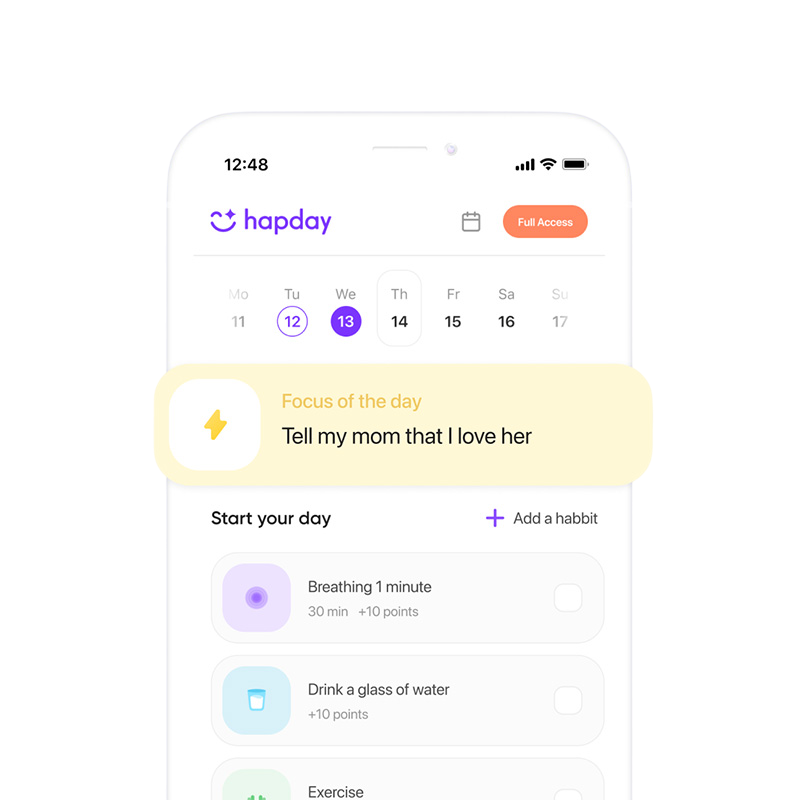
Wherever you are on this deeply personal journey, remember: you’re not alone. Organizations like Hapday.me can offer guides and daily support to nurture emotional growth and well-being along your path.
The Bottom Line
This journey to rediscover self-worth not only marks healing but empowerment—an emergence from the past shadows into the light of your potential.
References
- Centers for Disease Control and Prevention – cdc.gov
- Harvard University – harvard.edu
- National Institutes of Health – nih.gov