



When Olivia, a 31-year-old woman with an unyielding sense of anxiety, first stepped into therapy, it was as if she was opening a door to a room she always knew existed but never dared to enter. Her life was eclipsed by a shadow of self-doubt, whispering fears of not being good enough. Dr. Steven Moore, a psychologist with a depth of experience in trauma, began to help Olivia piece together the fragments of her past—a childhood stained by emotional abuse. She started unveiling those subtle yet deeply ingrained patterns of negativity and self-criticism. Her environment, like many others’, was a place where love seemed conditional, criticism was omnipresent, and emotional needs were simply ignored. The path ahead appeared daunting—yet, as Dr. Moore pointed out,
“Awareness is where it all begins; recognizing these patterns equips you to change them.”
— Dr. Steven Moore, Psychologist
If Olivia’s story rings true for you, memories or behaviors from your past might weigh heavy on your present. Emotional abuse during childhood can spill into adulthood in forms like anxiety, low self-worth, or a struggle to form nourishing relationships. However, by understanding these foundational patterns, you inadvertently pave a way towards healing. So, how can you embark on this journey?
Table of Contents
- Childhood Emotional Abuse: The Unseen Scars
- Spotting the Shadows: Recognizing Abuse Patterns
- Trauma and the Brain: What Happens Within
- Carving the Path: Strategies for Healing
- Navigating the Waves: Facing Setbacks
- Stepping into the Light: Moving Forward
- The Bottom Line
- References
Key Takeaways
- Childhood emotional abuse creates lasting impacts that can manifest as anxiety and low self-worth in adulthood.
- Recognizing patterns of emotional abuse is crucial for healing and self-empowerment.
- Establishing healthy boundaries is essential for emotional well-being and recovery.
- Therapy can provide a supportive environment to explore past wounds and develop coping strategies.
- Building a supportive network can enhance healing by offering validation and understanding.
Childhood Emotional Abuse: The Unseen Scars
Childhood emotional abuse is a subtle, insidious thing—when a child’s emotional well-being is compromised by continual neglect, rejection, or other harmful actions. According to data from sources like the American Psychological Association, emotional abuse may not leave physical scars, but its emotional impact is profound and enduring.
Dr. Karen Wong from the University of Washington sheds light on this:
“It’s like an invisible wound without physical evidence, but the consequences can echo throughout life.”
— Dr. Karen Wong, University of Washington
Its effects are insidious, reaching into life’s corners you wouldn’t even link to the past.
Spotting the Shadows: Recognizing Abuse Patterns
Identifying the characteristics of emotional abuse is a vital first step to healing. Consider the following as markers:
- Invalidation: Regularly being told your feelings are wrong or dismissed.
- Criticism and Control: Continuous criticism or having your every action monitored.
- Emotional Withdrawal: Withholding affection as a punitive action.
- Unrealistic Expectations: Being pushed to meet demands or fit roles that seem impossible.
Take Maya, for instance—a 28-year-old navigating the stormy aftermath of divorce discovered how these childhood patterns disrupted her ability to set boundaries.
“Understanding this link was a game changer for me,” she shared. “I could finally stop blaming myself and start working on change.”
— Maya, Survivor
Trauma and the Brain: What Happens Within
Why do these patterns stick so tenaciously? Well, childhood traumas, such as emotional abuse, reshape brain development and influence how emotions and stress are processed. According to the National Institute of Mental Health, the chronic stress from adverse childhood experiences (ACEs) can heighten sensitivity to subsequent stress, making emotional control more difficult.
Carving the Path: Strategies for Healing
Healing isn’t a cookie-cutter process; it’s as individual as the person undertaking it. Here’s a guide to forging your own path:
Nurturing Awareness and Self-Empathy
Becoming aware of when negativity takes hold can be transformative. Dr. Sarah Chen of NYU says,
“Self-awareness can disrupt those automatic emotional reactions.”
— Dr. Sarah Chen, NYU
Embrace self-compassion by treating yourself with the gentleness that was lacking in your early years.
How to Do It:
- Journaling: Write daily to explore your thoughts and feelings. Identify how past patterns infiltrate your current life.
- Mindfulness Meditation: Engage in practices that anchor you to the present, fostering a kind internal conversation.
Defining Healthy Boundaries
Boundaries protect your emotional landscape, setting what is and isn’t acceptable in relationships. They prevent the exhaustion of overcommitment and mistreatment.
Why it Works: According to insights from the Mayo Clinic, establishing boundaries enhances self-esteem and helps manage stress better.
How to Do It:
- Set Clear Limits: Clearly articulate your needs, maybe by establishing no-work-talk dinners or scheduling personal time over weekends.
- Practice Assertiveness: Clearly communicate your rights while respecting others, perhaps practicing saying “no” in situations where saying “yes” feels obligatory.
Therapy: A Safe Haven
Therapy offers a sanctuary to explore and mend past wounds. Various approaches, like Cognitive Behavioral Therapy (CBT) or Eye Movement Desensitization and Reprocessing (EMDR), cater to different needs by helping reframe thoughts or process trauma.
Real-Life Insight: Olivia discovered that therapy not only offered tools to combat her anxiety but also helped her reframe her life story. Dr. Moore’s affirmations and strategies slowly unwound layers of guilt she carried like armor.
How to Do It:
- Find the Right Therapist: Seek professionals with expertise in trauma or emotional abuse recovery.
- Online Resources: Platforms such as Psychology Today list therapists by specialty, making it simpler to match with someone who gets your needs.
Building a Support Network
Isolation can amplify feelings of unworthiness, while confiding in supportive individuals validates and encourages your journey.
Why it Works: Support systems can significantly reduce stress and anxiety, supporting you through tough times, as some studies by sources like Harvard Health suggest.
How to Do It:
- Join Groups: Connect with communities focused on healing from emotional abuse.
- Rely on Trusted Relationships: Open up to friends or family who understand and support your journey.
Navigating the Waves: Facing Setbacks
Remember, healing isn’t a straight path. There’ll be moments of feeling overwhelmed or like you’ve regressed. Embrace these with kindness. They’re a part of the journey, not an indicator of failure.
Stepping into the Light: Moving Forward
While the journey to overcome childhood emotional abuse is complex, it’s absolutely within reach. Delving deeper into your scars allows for rediscovery of identity, relationships, and self-worth, unshackled from past pains.
In reflecting on her journey, Olivia shares,
“My most empowering move was realizing I could redefine myself. I am no longer just what my childhood made me. I can choose what I become.”
— Olivia, Survivor
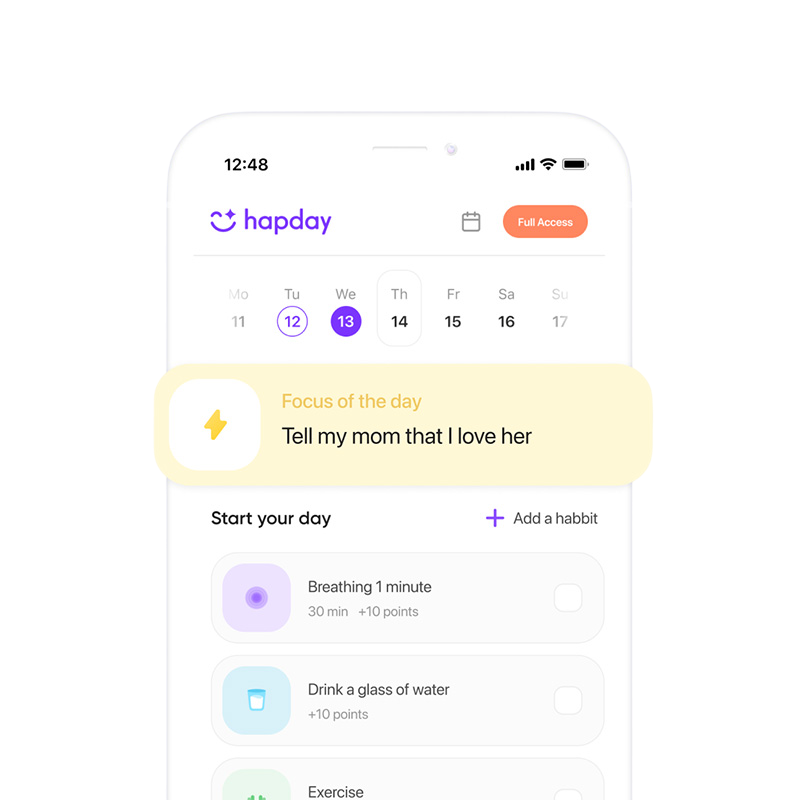
Whether you’ve just recognized these patterns or been battling them for years, your willingness to engage with this process is extraordinarily brave. Consider exploring hapday.me for structured healing programs and daily support, available at this link.
The Bottom Line
Healing from childhood emotional abuse is a personal journey that requires self-awareness, healthy boundaries, and the support of others. Reminding yourself that you can take steps towards reclaiming your identity and self-worth is vital. Empower yourself by seeking to understand the roots of your struggles and commit to the healing process.
References
- American Psychological Association
- National Institute of Mental Health
- Mayo Clinic
- Harvard Health