



Table of Contents
- Understanding the Echoes of Childhood Trauma
- Cultivating Empathy for the Road Ahead
- Embracing Mindfulness and Self-Awareness
- Rewiring the Mind with Cognitive Behavioral Techniques
- Reconnecting with the Inner Child
- Rebuilding Through Self-Compassion Practices
- Crafting Healthy Relationship Patterns
- The Affirmative Power of Self-Care
- Discovering Purpose Beyond Trauma
- Steps Toward a More Worthy Future
Understanding the Echoes of Childhood Trauma
Our earliest traumas tend to reverberate through time, shaping our adulthood in profound, often invisible ways. Reflecting on a 2021 report by the CDC, it’s staggering yet unsurprising to learn that 61% of adults encountered at least one adverse childhood experience (ACE). Such early wounds become deep-rooted scars, affecting everything from emotional stability to relationships.
“The damage of childhood trauma distorts self-worth, making people feel undeserving of love or success.”
— Dr. Sarah Chen, NYU
Cultivating Empathy for the Road Ahead
The first step on this difficult journey to reclaiming self-worth? Start with empathy — particularly towards oneself. It might feel daunting, but it’s crucial. In the acclaimed book, “The Body Keeps the Score,” Dr. Bessel van der Kolk argues for self-compassion as an essential facet of trauma recovery. Channel empathy toward your former self, not as someone flawed, but as someone who survived against the odds.
Embracing Mindfulness and Self-Awareness
At its core, building self-worth is about peeling back the layers, getting to know oneself anew — a task easier said than done. Through mindfulness, we can quiet the chaos. A recent study in the Journal of Traumatic Stress found mindfulness could significantly quell PTSD symptoms. Regular practices like meditation help in observing — rather than judging — one’s thoughts and detaching self-worth from negative mental tapes. Could this not be the refuge many seek?
Rewiring the Mind with Cognitive Behavioral Techniques
Consider Maya, a 28-year-old who turned to cognitive behavioral therapy (CBT) during a tumultuous phase in her life. She speaks of how this approach was a game-changer, overturning a lifelong habit of self-blame.
“CBT reshapes distorted beliefs, transforming ‘I am unlovable’ into something far healthier.”
— Dr. Andrew Patel, Cognitive Psychologist
Reconnecting with the Inner Child
For many, reaching out to the wounded child within holds the key to unearthing authentic self-worth. Dr. Linda Greenwood, who specializes in deep trauma recovery, advocates for inner child work as a path to healing old wounds. Envision heartfelt conversations where you offer comfort to your younger self — it’s an emotive exercise that can help revise the stories that have long dominated your self-view.
Rebuilding Through Self-Compassion Practices
Picture self-compassion as a gentle balm, soothing the soul’s harsh edges. Kristen Neff, a leading researcher on the topic, underscores self-compassion’s potency in fostering resilience. It’s about being kind to yourself, imperfections and all, and recognizing the shared nature of human suffering. Try adopting habits like daily affirmations or writing letters to yourself, expressing kindness and understanding…because you’re worth it.
Crafting Healthy Relationship Patterns
The aftermath of early trauma is often a tangled web, complicating new relationships and boundaries. It’s a tough nut to crack, but supportive connections offer a vital mirror of our worth back to us. Setting boundaries, although intimidating, reinforces self-esteem. Strike a balance, like Laura did — she learned saying “no” can be an expression of self-respect rather than selfishness. Isn’t that the real empowerment?
The Affirmative Power of Self-Care
Investing in self-care isn’t just a trendy wellness tip— it’s a foundational step in signaling worthiness to oneself. Regular physical and emotional maintenance, like engaging in nature walks or unwinding with a good book, sends a clear message of value. This isn’t just about pampering but affirming one’s intrinsic worth.
Discovering Purpose Beyond Trauma
Ultimately, anchoring self-worth means finding purpose beyond old scars. It’s about identifying what makes your heart sing outside the shadow of trauma. Whether it’s channeling passion into work, pursuing the arts, or volunteering for a cause, having a calling is pivotal. Purpose creates a narrative that speaks louder than survival alone.
Steps Toward a More Worthy Future
The path to building self-worth after childhood trauma — it’s not a sprint but a marathon of small, meaningful steps. Remember, it’s normal to encounter setbacks, yet perseverance in these strategies gradually chips away at past misbeliefs.
The tools you embrace now not only transform your life but whisper healing into the future, rewriting possible generational stories. Just as Lisa found her authentic worth not in external applause but in the joy of creation, her past merely one chapter in a more expansive, vibrant story being written daily.
Key Takeaways
- Empathy, especially towards oneself, is crucial in reclaiming self-worth after trauma.
- Mindfulness and cognitive behavioral techniques can help reshape distorted self-beliefs.
- Inner child work and self-compassion practices foster deeper healing and self-acceptance.
- Building healthy relationship patterns and setting boundaries reinforces self-esteem.
- Finding purpose beyond trauma significant enhances the sense of worth.
The Bottom Line
Building self-worth after childhood trauma is a gradual yet rewarding journey that involves understanding oneself, embracing self-compassion, and seeking meaningful connections. These transformative practices empower individuals to rewrite their narratives and create a life filled with purpose and value.
References
Centers for Disease Control and Prevention – https://www.cdc.gov
National Center for Biotechnology Information – https://pubmed.ncbi.nlm.nih.gov
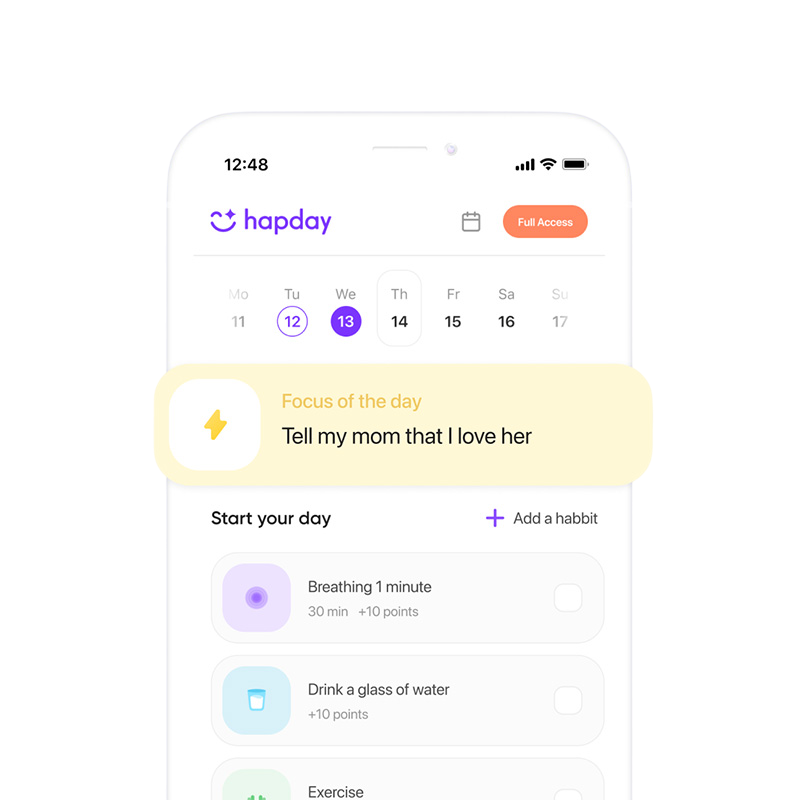
Interested in going deeper on your healing journey? Consider exploring Hapday.me’s personalized programs, crafted specifically for trauma recovery. Begin your journey today: https://hapday.me