



Picture this: you’re a child on a school playground, wide-eyed and thrilled, holding the hand of a new friend. In those moments, life feels expansive. But once home, indifference and gaslighting await, and you’ve plunged into a world where emotional needs are ignored. A striking contrast—love in one sphere, desert in another—that can deeply warp your relationship perceptions. If this jarring scenario resonates, you might be among the countless adults wrestling with wounds inflicted by childhood emotional abuse.
But let’s grapple with a vital question: what’s the essence of healing, and how do these childhood shadows shape the adult you’ve become?
Table of Contents
- Understanding Emotional Abuse
- How Emotional Abuse Manifests Later in Life
- The Science Behind Healing
- Steps to Heal from Childhood Emotional Abuse Patterns
- Why These Strategies Work
- Forgiveness: A Complicated Gift
- Nurturing the Inner Child
- Looking Forward
Key Takeaways
- Recognizing and acknowledging feelings from childhood is crucial for healing.
- Self-compassion is more effective than self-esteem in managing anxiety and depression.
- Professional therapy, such as CBT and EMDR, can provide valuable support in the healing process.
- Setting boundaries is essential to protect oneself from toxic dynamics.
- Engaging in playful activities can nurture and heal the inner child.
Understanding Emotional Abuse
Emotional abuse, an often stealthy beast, crouches in the crevices of seemingly normal households. Not always blatant, it can be as understated as a dismissive scoff or a compliment laced with venom.
“Emotional abuse camouflages itself in any repeated behavior that derails a child’s emotional growth or sense of self-worth.”
— Dr. John Taylor, Specialist in Trauma Recovery
For many, spotting these toxic patterns is the primary hurdle to begin healing—but what a mountain it can be.
How Emotional Abuse Manifests Later in Life
At 28, Maya faced the jarring realization that her relentless need for approval had roots deep in her childhood. Praise from her parents hinged solely on success, never extending to her inherent worth. Echoes of this story abound—a living testament to internal dialogues mirroring previous abusive voices.
But why is this insight so pivotal? The brain, especially during those formative years, is wonderfully pliable. Early conditions pave neural pathways that shape future narratives and emotional habits. Reports from the National Institute of Mental Health have shown that those subjected to emotional abuse can develop a more reactive amygdala, heightening sensitivity to emotional pain later on.
The Science Behind Healing
Shifting away from these ingrained patterns isn’t about simply ‘moving on.’ It’s about reconstructing those neurological trails.
“Emotional recovery parallels muscle growth; consistency and correct strategies are key.”
— Dr. Lisa Feldman Barrett, Renowned Psychologist
Steps to Heal from Childhood Emotional Abuse Patterns
- Acknowledge Your Feelings: While it may seem basic, acknowledging the wrongs done is essential. Telling yourself, “I deserved love and support,” can be transformative. This recognition can offer a sliver of the validation you were denied in youth.
- Cultivate Self-Compassion: Researcher Kristin Neff’s findings unveil that self-compassion trumps self-esteem in curbing anxiety and depression. Replace harsh self-critique with gentle, kind narratives. Made a mistake? Remind yourself, “I’m learning; that’s human.”
- Therapeutic Support: Reaching out for professional guidance is vital. Therapies like CBT and EMDR provide tools to reshape negative patterns and blunt emotional triggers.
“Therapy becomes a haven where you can dissect painful histories, offering you the childhood nurturing you missed.”
— Dr. Sarah Chen, NYU
- Establish Boundaries: Samantha, 33, saw her quality of life elevate after setting firm boundaries with her critical parent. Saying “no” sans guilt is transformative, safeguarding you from reverting to dysfunctional childhood conditions.
- Practice Mindfulness: Mindfulness helps anchor you in the now—not the then. Neuroscience supports its capacity to decrease amygdala density, thus mitigating emotional reactivity (Massachusetts General Hospital report).
Why These Strategies Work
At the heart of these journeys lies the concept of neuroplasticity—the brain’s ability to reforge its path. Harvard research suggests practices like mindfulness and therapy hop up synaptic connections, fostering resilience and novel outlooks.
Forgiveness: A Complicated Gift
To forgive is bold and complex in trauma’s wake. True forgiveness liberates—there’s no condoning of the abuse; rather, it loosens its emotional stranglehold.
“Real forgiveness isn’t about excusing but about peace within.”
— Dr. Robert Enright, University of Wisconsin
Nurturing the Inner Child
Ultimately, healing means embracing and reassuring your inner child—the echo of past emotions and desires unmet. Engage in playful activities you once adored—be it dance, painting, or storytelling. Let these acts comfort your past self, sending the message that play, once clouded by fear and judgment, is now a source of solace.
Looking Forward
Tackling childhood emotional abuse scars is daunting, but absolutely worthwhile. As you strive to break ancient patterns, you aim to live, not just endure. You aim for a landscape where healthier relations, with self and others, bloom.
Every tiny step in this direction is a nod to your resilience. Healing doesn’t obliterate history, but it reshapes the horizon.
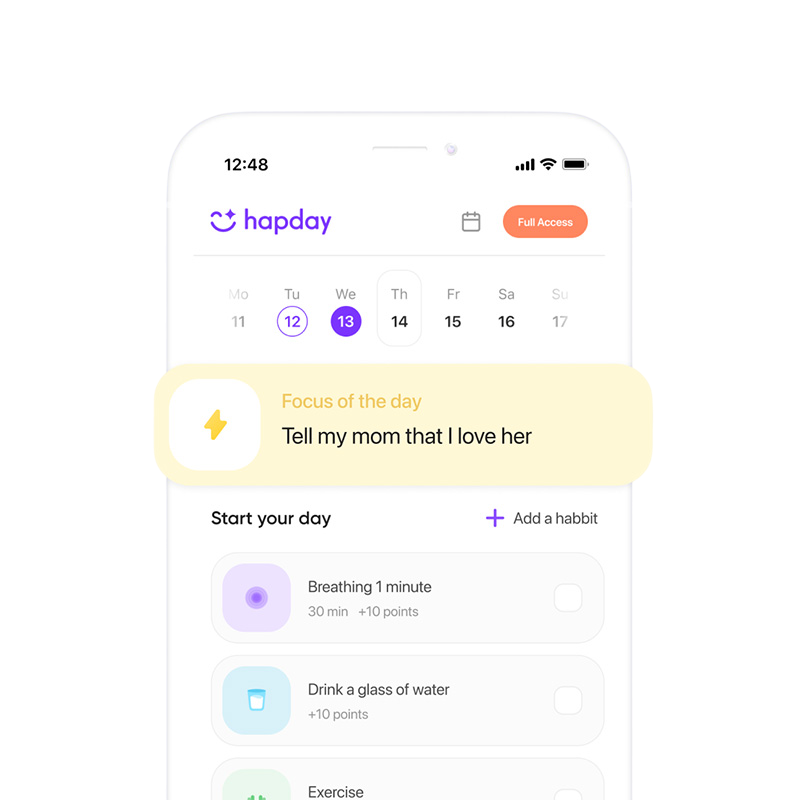
Feeling stirred by this? Hapday.me provides wellness tools each step of the way, guiding you towards emotional flourishing.
Adopt these strategies. Sow self-acceptance, water with compassion, and watch them spread into daily life. Remember, healing isn’t linear—it’s a voyage, with your resilience as the compass leading you towards emotional liberation.
The Bottom Line
Healing from childhood emotional abuse is a challenging but rewarding journey that empowers individuals to reshape their emotional landscape for healthier relationships with themselves and others. Recognizing past abuses, fostering self-compassion, and seeking professional support can pave the way toward a brighter future.