



Table of Contents
- Understanding the Shadows: What Exactly is Childhood Emotional Abuse?
- Recognizing the Impacts: The Adult Fallout
- Journey of Healing: Steps to Rebuild and Thrive
- 1. Acknowledge and Accept
- 2. Unpack and Understand the Relationships
- 3. Cultivate Self-Compassion
- 4. Set Boundaries with Toxic Individuals
- 5. Seek Professional Help
- Embracing Hope: The Possibility of Renewal
- Summary
Key Takeaways
- Emotional abuse leaves lasting scars that can affect adult relationships and self-esteem.
- Acknowledging past trauma is essential for healing and empowerment.
- Self-compassion and boundary-setting are crucial steps in the recovery process.
- Seeking professional help can be transformative in navigating emotions and trauma.
- The journey of healing integrates past experiences into a narrative of growth.
Understanding the Shadows: What Exactly is Childhood Emotional Abuse?
Emotional abuse in childhood—it’s tricky. It involves non-physical actions, like shaming or withholding love, that disrupt a child’s emotional landscape. This type of abuse is insidious, often flying under society’s radar due to its lack of physical scars. Back in 2021, the American Psychological Association noted it as one of the most prevalent yet unrecognized forms of abuse. Though invisible, its scars manifest in self-doubt, anxiety, and relationship troubles that echo into adulthood.
“Because emotional abuse doesn’t leave visible traces, it frequently remains unnoticed, while its psychological toll is both profound and enduring.”
— Dr. Samuel Lopez, Child Psychologist
Recognizing the Impacts: The Adult Fallout
Look at your life. Do you see a recurring pattern that feels both confining and destructive? For Maya, 28, her divorce was the first signal of her pattern—an endless quest for approval rooted in her childhood. This moment of realization was pivotal, allowing her to untangle the knots of her emotional narrative and understand her present. Many adults grappling with childhood emotional abuse find themselves struggling with trust, self-esteem, constant approval-seeking, and boundary-setting.
Journey of Healing: Steps to Rebuild and Thrive
1. Acknowledge and Accept
The first step can often be the hardest. Admitting that what happened wasn’t your fault and recognizing it as abusive is crucial.
“Naming the abuse is empowering; it enables survivors to face the trauma rather than minimizing it or burdening themselves with blame.”
— Dr. Sarah Chen, Clinical Psychologist
Why it Works: This step offers validation and affirms your feelings. And it’s true—a study from the Mayo Clinic suggests this validation builds emotional resilience.
How to Do It: Start journaling. Write letters to your younger self, sharing kindness and empathy. Tell your story to a therapist or find solace in a supportive group.
2. Unpack and Understand the Relationships
Does your current relationship echo your past? Analyzing these connections can reveal patterns stemming from childhood. Recognizing repetition offers enlightenment and empowerment.
Why it Works: Awareness of these patterns equips you with choices, allowing you to act consciously instead of being a puppet to past habits.
How to Do It: Maintain a relationship journal to document incidents that stir emotions. Reflect on parallels from childhood. Cognitive Behavioral Therapy (CBT) sessions, recommended by the National Institute of Mental Health, are highly effective too.
3. Cultivate Self-Compassion
Growing up, did you question your worthiness of love or kindness? Fostering self-compassion might be revolutionary for you. Kristen Neff, a pioneer in self-compassion research, establishes that it bolsters resilience and enhances emotional well-being.
Why it Works: By treating yourself with warmth, just as you might a friend, you can better absorb life’s challenges.
How to Do It: Practice gentle self-talk. Utilize daily affirmations and meditation to bolster self-compassion.
4. Set Boundaries with Toxic Individuals
Do past violators still have a presence in your life? Consider redefining these dynamics by setting boundaries, an assertive move towards safeguarding your emotional territory.
Why it Works: Boundaries empower personal well-being and cultivate respectful, balanced relationships.
How to Do It: Communicate with clarity and compassion. Start with non-negotiables, practicing assertiveness in smaller steps—aided by a therapist, if needed.
5. Seek Professional Help
Navigating childhood emotional abuse’s complexity often requires expert guidance. Therapists trained in trauma recovery bring invaluable support to your healing journey.
Why it Works: Therapists use evidence-based methods to help unravel past trauma’s grip, illuminating a path to a healthier future.
How to Do It: Investigate therapy options like EMDR (Eye Movement Desensitization and Reprocessing), a proven treatment for trauma. Psychology Today offers a comprehensive directory for locating trauma-informed therapists near you.
Embracing Hope: The Possibility of Renewal
The journey towards healing from childhood emotional abuse doesn’t erase the past but instead integrates those chapters into a personal saga that promotes growth and understanding. Every forward step, no matter its size, marks a victory.
This trio challenges you to rewrite your life. Transform it from a chronicle of endured events to an affirming narrative of chosen evolution. Your healing odyssey calls for bravery and resilience, yet its dividends—authenticity, connection, inner peace—are profound and within reach.
Summary
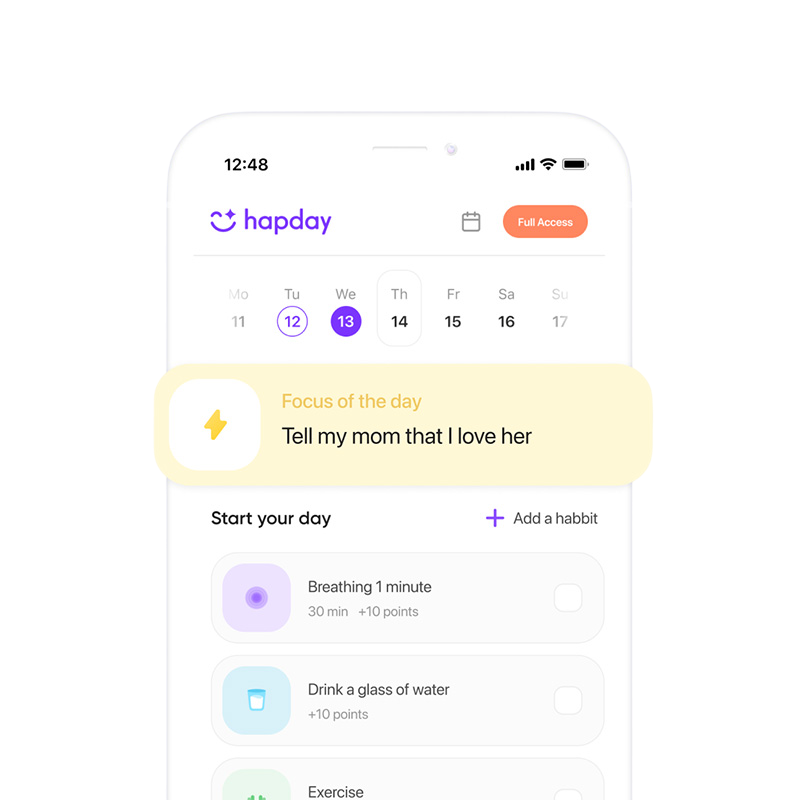
Overcoming the specter of childhood emotional abuse is hard but achievable. By affirming the reality of the abuse, understanding its impacts, fostering self-compassion, and seeking help, you can evolve beyond your traumas. Platforms such as HapDay provide tailored self-healing programs to support you on this empowering journey toward healing.
The Bottom Line
Healing from childhood emotional abuse is a brave journey that involves recognizing your past, understanding its effects, and actively choosing to nurture your well-being. With patience and the right tools, transformation is possible.