



Table of Contents
- Understanding the Impact of Childhood Emotional Abuse
- Recognizing the Signs of Childhood Emotional Abuse in Adulthood
- The Science Behind Healing
- Steps Towards Healing from Childhood Emotional Abuse
- Why Healing Matters
- Moving Forward in Your Healing Journey
- The Bottom Line
- References
Key Takeaways
- Childhood emotional abuse can have lasting effects on self-esteem and mental health.
- Therapeutic approaches, such as CBT and EMDR, can facilitate healing.
- Self-compassion and mindfulness are essential practices in recovery.
- Building supportive relationships can aid in the healing process.
- Nurturing your inner child can help in reclaiming lost joy and innocence.
Understanding the Impact of Childhood Emotional Abuse
This form of abuse is often quietly pervasive. It whispers its way into a child’s psyche through a series of real but invisible assaults—belittlements, emotional neglect, or repeated chipping away at self-worth. Unlike physical abuse, it’s invisible, making it harder to acknowledge. Yet its destructive power is not diminished. It ripples into adulthood, weaving its way into mental health and social interactions.
“The long-term impacts of childhood emotional abuse can shatter one’s self-image, sowing seeds of anxiety and depression, complicating the simplest of relationships.”
— Dr. Sarah Chen, Clinical Psychologist, NYU
Research underscores this with daunting statistics: those who endured emotional abuse as children often report higher incidences of anxiety disorders and PTSD later in life (American Psychological Association).
Recognizing the Signs of Childhood Emotional Abuse in Adulthood
Are the ghosts of your childhood steering your adult life in unforeseen ways? When Maya, 28, faced her divorce, she couldn’t shake off her fear of abandonment and relentless self-doubt. These were shadows from early years where disapproval loomed large.
Does any of this sound too familiar? Grappling with low self-esteem, relentless people-pleasing, or a harsh inner voice? These are common patterns among survivors, usually stemming from deep-seated beliefs formed in early years.
The Science Behind Healing
Before diving into the how-tos of healing, let’s ponder the why. The brain, especially one in youth, boasts remarkable flexibility—a phenomenon known as neuroplasticity. Childhood emotional abuse can steer the brain toward negativity, but this adaptability also offers a chance for rehabituation. Methods like Cognitive Behavioral Therapy (CBT) and mindfulness have buckets of evidence behind them, proven to encourage healthier thought and behavior patterns.
Steps Towards Healing from Childhood Emotional Abuse
- Recognizing and Acknowledging Your Past: Awareness isn’t just a buzzword; it’s powerful. Accepting that your past was real and worthy of attention can be transformative. Journaling is often a powerful ally in this stage.
- Seeking Professional Help: Therapy can be a safe sanctuary—a place to explore your past constructively. Therapists with trauma expertise can help navigate intricate emotions.
- Practicing Self-Compassion: Self-compassion is about treating yourself as kindly as you would a dear friend. Rework that inner voice—be kinder to yourself.
- Building Healthy Boundaries: It’s crucial to identify what drains you emotionally. This awareness assists in establishing boundaries, protecting your emotional well-being.
- Cultivating Mindfulness: Mindfulness means being present with your experiences without judging them. Mindful breathing or simple body scans can help manage anxiety.
- Engage in Creative Healing: Expressive arts can be a potent emotional outlet. Whatever resonates, can lend a safe space to process feelings.
- Building Supportive Relationships: Having a tribe to lean on is vital. Confiding in trusted friends or joining supportive groups can be reassuring.
- Nurturing Your Inner Child: Fostering practices that nurture your inner child can help in healing. Visualization exercises can be particularly beneficial.
“A therapist can provide validation and understanding, pivotal steps toward nurturing self-kindness and healing.”
— Dr. Emily Harris, Trauma Counselor
Why Healing Matters
Reclaiming your life from the tightening grip of past wounds is a profound act. It’s not just about letting go of past hardships; it’s about infusing hope where weeds of sorrow used to be. A 2021 World Health Organization report shared how individuals who engage in deliberate healing practices show remarkable mental and emotional improvements.
Moving Forward in Your Healing Journey
Healing isn’t a clear-cut path; it’s filled with unpredictability—trips and leaps, setbacks, triumphs. Remember, it’s yours alone. It demands courage, patience, and diligence. Celebrate small triumphs and extend yourself grace when hurdles arise.
As you embark on this transformative healing journey, you’re not just picking up past pieces; you’re drafting a new narrative, tinged with hope and tempered by resilience. Each step forward inscribes a new chapter, brimming with self-awareness and empowered growth.
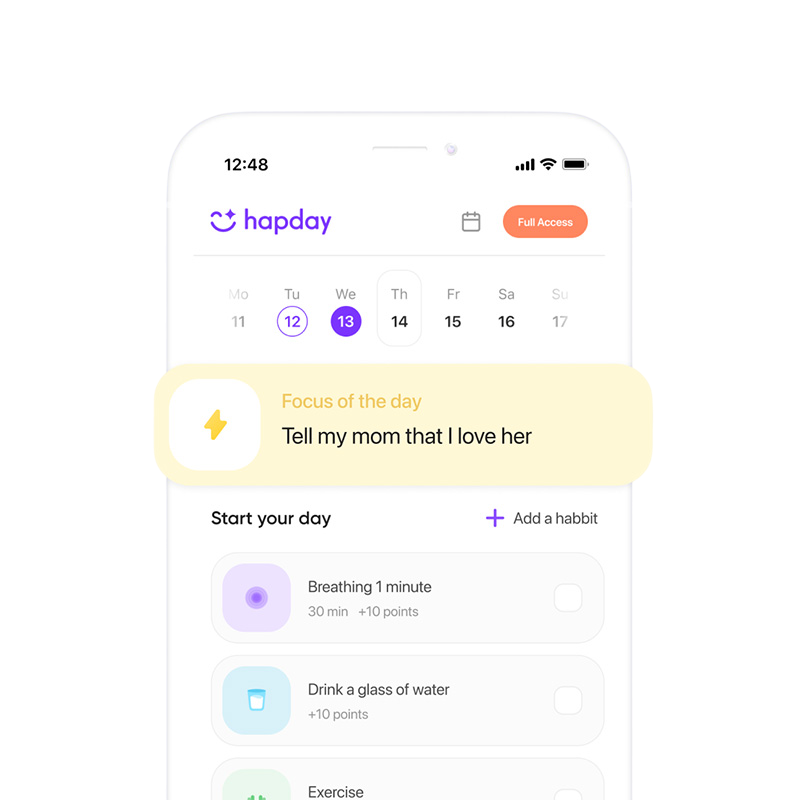
Embrace your healing journey with Hapday.me, a wellness platform with guided self-healing programs to support your emotional growth. Begin at hapday.me.
The Bottom Line
Healing from childhood emotional abuse is a journey filled with courage and self-discovery. By seeking help, embracing self-compassion, and building supportive networks, you can transform past pain into profound personal growth and resilience.
References
- American Psychological Association
- World Health Organization