



Table of Contents
- The Lingering Ghosts of Childhood
- Awakening Awareness: The First Steps to Healing
- Why Healing Works: Science Unveiled
- Building Bridges to Self-Compassion
- Practical Approaches for Unlocking Adult Wellness
- Real-World Success: Stories of Transformation
- The Ongoing Journey
Picture this: You’re squashed into a bustling elevator. The familiar hum of chatter mingles with the soft groan of machinery. Suddenly, a casual remark from a colleague pierces your calm—like a barb aimed at a hidden scar you didn’t realize was there. You try to shake it off, but it clings like a shadow. Does this sound oddly familiar? If so, you’re in good company. The road to adult wellness is often tangled in the complex, unseen webs of childhood trauma.
Trauma from childhood can take many forms—be it emotional neglect, abuse, or growing up amid the chaos of parents dealing with their own demons. These scars, hidden under layers of adult experiences, often whisper through the cracks of your behavior and emotions. Yet, walking the path of healing from these wounds doesn’t have to be a solitary endeavor, nor is it an impossible one.
“It’s about untangling the past to liberate our present and future.”
— Dr. Sarah Chen, Clinical Psychologist
The Lingering Ghosts of Childhood
The first step towards healing? Recognizing how past trauma seeps into today’s life. Take Maya, for instance. At 28, after her divorce, she found herself stuck in patterns of anxiety and self-doubt. These trails of thought? They led back to her childhood home, where her parents’ stormy relationship colored her formative years. Not uncommon, is it?
A Centers for Disease Control and Prevention (CDC) study underscores this. Adverse Childhood Experiences (ACEs) cast a long shadow on adult health, correlating with chronic issues, mental disorders, and substance abuse. Imagine your brain as a photo album—each snapshot marked with the wear and tear of time and experience. Healing is about refocusing those images, sharpening the blurred edges until peace shines through.
Awakening Awareness: The First Steps to Healing
Can one truly heal something that happened ages ago? The answer is yes—though it involves awakening to the underlying narratives of your life. Start by paying attention to those past echoes that rise during stress or vulnerability. Journaling can be your ally. Patterns emerge in writing, offering insights into buried beliefs and emotions.
Trauma-informed therapist Dr. Emily Stark underscores the significance of self-awareness.
“You can’t change what you don’t acknowledge.”
— Dr. Emily Stark, Trauma-informed Therapist
Recognizing and validating your emotions is a vital first step toward building resilience.
Why Healing Works: Science Unveiled
Healing from childhood trauma hinges on reconditioning your mind’s responses to stress and hardship. Neuroplasticity—the brain’s ability to rearrange itself—sheds light on this process. According to studies from Harvard’s Center on the Developing Child, with intentional effort, it’s possible to reshape neural pathways, easing the grip of past traumas on today’s behaviors. Think of it as redirecting a deeply entrenched river—it’s daunting, but achievable with perseverance.
Building Bridges to Self-Compassion
Self-compassion stands as a crucial pillar in this healing journey. Instead of criticizing yourself for perceived failures, nurture an inner dialogue of kindness—the kind you’d extend to a dear friend. Kristen Neff’s studies on self-compassion highlight that self-forgiveness can reduce anxiety and enhance overall well-being.
Practical Approaches for Unlocking Adult Wellness
Transformation kicks in when understanding meets action.
- Therapeutic Interventions: Seeking therapy, especially trauma-informed types like EMDR (Eye Movement Desensitization and Reprocessing) or Cognitive Behavioral Therapy (CBT), can spark change, aiding in reprocessing trauma and crafting healthier mental pathways.
- Mindfulness and Meditation: Embracing these practices roots you in the present, thus alleviating the persistent stress responses tied to trauma. Research from the Mayo Clinic suggests mindfulness significantly soothes post-traumatic stress symptoms.
- Building Resilient Relationships: Forge bonds with those supportive of your healing journey. Human connection fosters security and emotional growth.
- Creative Expression: Art, music, or writing can translate emotions into tangible expressions, facilitating release and comprehension.
- Physical Activity: Regular exercise boosts mood and bolsters emotional resilience. The endorphins released have an oddly soothing effect on stress.
Real-World Success: Stories of Transformation
Consider Josh, a 35-year-old teacher wrestling with unresolved childhood trauma coursing from parental neglect. Therapy enabled Josh to unearth core fears fueling his perfectionism. By setting healthier boundaries and focusing inward instead of seeking external validation, Josh’s self-esteem soared, and anxiety dwindled. His journey showcases that transformation, albeit complex, can lead to genuine freedom and fulfillment.
The Ongoing Journey
Healing from childhood trauma is not a straight road; it’s a journey of peaks and valleys. While daunting, each step is evidence of your strength and bravery. It’s never too late to retell your story.
If this resonates—if echoes of your past stretch into your present—pause. Breathe. Feel the ground beneath you anchoring you to the now—a moment brimming with the potential for change. As Dr. Sarah Chen affirms,
“No matter the depth of the wounds, we harbor an innate capacity to heal and ascend.”
— Dr. Sarah Chen, Clinical Psychologist
In unlocking adult wellness by addressing childhood traumas, you’re not just breaking free from old chains; you’re stepping into a life consciously defined by resilience, compassion, and hope.
Key Takeaways
- Childhood trauma can profoundly affect adult wellness and behaviors.
- Acknowledging and understanding your past is essential for healing.
- Neuroplasticity allows the brain to reshape responses to stress and trauma.
- Self-compassion and nurturing relationships significantly aid in recovery.
- Transformation involves actionable steps like therapy, mindfulness, and creative expression.
The Bottom Line
Healing from childhood trauma is not just about overcoming pain; it’s about embracing resilience and reclaiming your narrative. Every step you take in healing promises a path to a more fulfilling and conscious life.
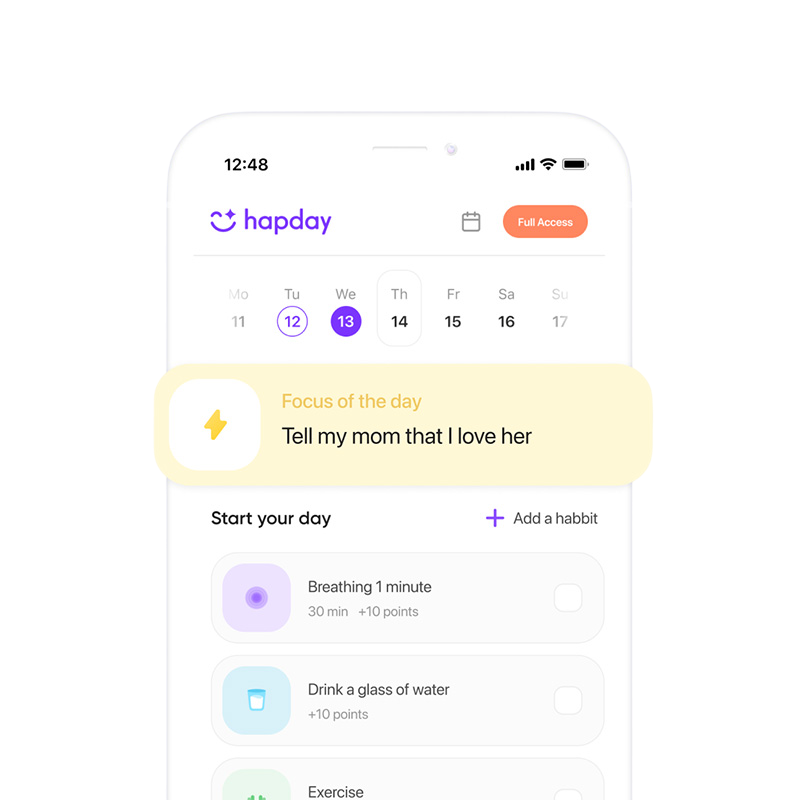
For those seeking comprehensive support for their healing journey, consider exploring hapday.me for guided self-healing programs and daily emotional growth assistance.
References
- Centers for Disease Control and Prevention
- Mayo Clinic
- Harvard’s Center on the Developing Child
- American Psychological Association