



A Journey Towards Healing: Unraveling the Knots of the Past
When Maya, at 28, finally extricated herself from an excruciatingly painful divorce, the feeling of being abandoned struck her harder than expected. It wasn’t just her spouse she felt distant from — there was a deeper, unsettling echo of loneliness throbbing underneath. Turns out, this tends to happen if you’ve grown up in a chaotic household. Do you sometimes find life’s hurdles hitting harder than they should, with shadows from the past lurking at every corner? This narrative might tug at a familiar chord if childhood trauma is part of your backstory, and now, as an adult, you’re trying to piece together the disarray it left behind.
If you’re grappling with these invisible bonds and yearning for a semblance of peace, rest assured, you’re not alone in this quagmire. The road to recovery doesn’t entail forgetting what happened, but rather embracing and meshing those experiences into a quilt of resilience. Let’s explore some methods, backed by studies and expert wisdom, that can help you embrace a fulfilling and robust adult life.
Table of Contents
- Understanding Your Past: The Foundation for Healing
- The Brain’s Adaptation to Trauma
- Nurturing Emotional Safety: Establishing Trust With Yourself
- Mindfulness and Self-Compassion
- Building Supportive Relationships: Redefining Connections
- The Role of Therapy and Support Groups
- Physical Health: Anchoring Wellness in the Body
- Exercise and Nutrition
- Embracing Creativity and Play: Reconnecting With Joy
- Art and Music Therapy
- Setting Boundaries: The Pillars of Self-Respect
- Practical Boundary-Setting Techniques
- Moving Forward: Cultivating a Vision for the Future
- Bringing It All Together
Key Takeaways
- Understanding and acknowledging childhood trauma is critical for healing as an adult.
- Building emotional safety and trust within oneself is fundamental for recovery.
- Therapeutic relationships and support groups can help individuals process their past.
- Engaging in physical health routines boosts mental well-being.
- Creativity and setting boundaries play important roles in reclaiming joy and self-respect.
Understanding Your Past: The Foundation for Healing
“We can’t begin to mend until we acknowledge how yesterday’s wounds bleed into today.”
— Dr. Sarah Chen, Clinical Psychologist
It’s all about drawing a line backward to connect the dots. How else do we allow ourselves to construct a new pathway to well-being?
Childhood trauma can cast a long shadow over self-regulation, self-worth, and the dynamics of relationships. Remember that CDC study, the one tying childhood trauma to long-haul health battles — depression, anxiety, and the like? Understanding these linkages lays down the groundwork to pave your way toward healing.
The Brain’s Adaptation to Trauma
The human brain has an almost mystifying capacity to adapt, especially while it’s still sprouting in childhood. Hit with trauma, it transforms into survival mode champ, ever on the lookout for threats, but sometimes it sacrifices serenity to get there. So, even if adults finally find themselves in placid environments, they can fall back on this stress-inducing autopilot from their past.
Here’s where the magic of neuroplasticity comes in. Through practice—mindfulness, therapy, you name it—you can slowly train your brain to head toward wellness, not chaos. It’s all about rewiring, one deliberate step at a time.
Nurturing Emotional Safety: Establishing Trust With Yourself
Feeling secure isn’t just a luxury; it’s as fundamental as oxygen. If your trust got shattered early on, reassembling it is a journey you embark on with yourself first. Rediscovering faith in your instincts, and in your capacity to bloom, lays down a bedrock of emotional security, empowering well-being to root and grow.
Mindfulness and Self-Compassion
“Self-compassion—being your own ally in times of distress—can reshape our self-perception during times of hardship.”
— Dr. Kristin Neff, Pioneer in Self-Compassion
Mindfulness, much like a lighthouse, elevates awareness of the present moment, breaking loops of anxiety enmeshed in past trauma. And, intertwining self-compassion into everyday chatter can quiet down that overly critical inner voice. With frequent practice, a kinder self-dialogue—and wellness—can emerge.
Building Supportive Relationships: Redefining Connections
For those scarred by childhood tribulations, relationships can resemble treacherous roads. Early adversities may have sowed seeds of fear—abandonment, rejection, failure—but occasional avoidance isn’t the answer. Crafting nurturing relationships becomes a cornerstone for adult wellness.
The Role of Therapy and Support Groups
Therapy—whether solo or in a group—offers a haven to explore how past interactions shape the present. You’ll find the American Psychological Association nodding to you, noting both cognitive-behavioral and attachment-based therapies could be allies in unraveling the aftermath of childhood trauma.
“Support groups cultivate a shared understanding, lending assurance that one’s not enduring these hurdles alone.”
— Julia Landry, LPC
Such compassionate spaces can start the stitch work of healing relational wounds, opening doors to genuine connections.
Physical Health: Anchoring Wellness in the Body
Mind and body relations can be potent. Trauma, conversely, is equally physical as psychological; an amalgam of intertwined responses. Embracing health routines plays a pivotal role in fortifying resilience and stabilizing emotions.
Exercise and Nutrition
Consistent physical activity works wonders—it’s nature’s therapy, releasing the feel-good endorphins, offering a counterbalance to the spiraling anxiety and depression. Harvard Health underlines exercise’s role in neurogenesis—fancy term for new brain cells—crucial in healing post-trauma.
Being mindful of diet complements this endeavor. Omega-3 rich foods, think salmon, are golden for boosting brain and emotional health, according to nutritional neuroscience reports.
Embracing Creativity and Play: Reconnecting With Joy
Creativity and play have perhaps been overshadowed in the adult rush. But make no mistake—they become instrumental healing tools, echoing rays of joy that can carve a path out from trauma’s looming shadow.
Art and Music Therapy
Art and music morph into expressive outlets beyond words, traversing depths where emotions hide. As echoed by the American Art Therapy Association, creative pursuits channel non-verbal trauma processing, gifting emotional insight and release.
Setting Boundaries: The Pillars of Self-Respect
Boundary-setting translates into self-respect, a bedrock for adult wellness narratives. Clear boundaries tell the world what you need—for safety, for respect—and cultivating them is a critical step on this path.
Practical Boundary-Setting Techniques
The act of saying no needn’t be guilt-soaked; small practices in low-stakes circumstances lay groundwork. Confidence flourishes as boundary-setting skills sharpen. It’s internal too—the need to shield oneself from critical thoughts or stressful highs.
Moving Forward: Cultivating a Vision for the Future
The journey past childhood trauma is not a sprint, but a marathon—a labyrinthine trek. Victory is in the endeavor; every step in the wellness direction is a milestone. Envision a future where emotional vitality stands shoulder-to-shoulder with physical health; this anchors and urges one forward.
Wellness, ultimately, means thriving—not just enduring. As you survey your emotional horizon, nurture supportive ties, and honor bodily well-being, remember the narrative you compose isn’t merely about survival. Transformation is the theme, and growth the subplot.
Whether you’re just beginning this expedition or are well underway, you deserve a life where your past holds no chains over your future. Seek resources, reach out, and most crucially, grant yourself the leeway to heal.
Bringing It All Together
Peering into our history can unsettle, but alongside each memory lurks potential—hidden growth and untapped strength. By carving out healing paths, you’re establishing a steadfast foundation for adult well-being, honoring your personal journey and shaping your future with empowerment.
The Bottom Line
Navigating adult wellness post-childhood trauma is vital for establishing a healthy, fulfilling life. By understanding your past and engaging in healing practices, you are not only surviving but thriving. Each step forward empowers you to create the future you desire.
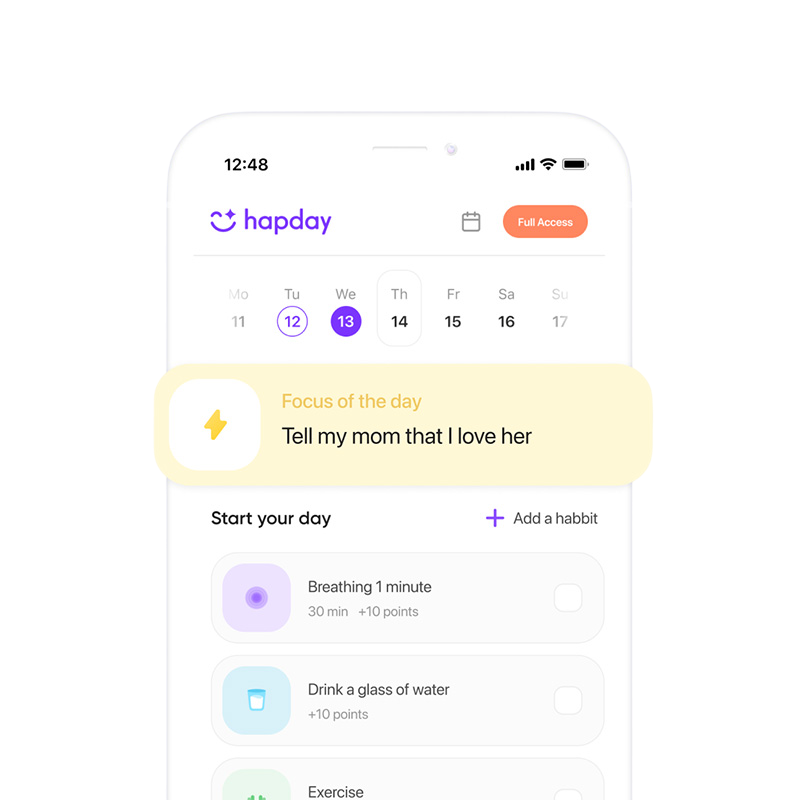
Embark on your self-healing journey with Hapday, nurturing emotional growth within guided courses and unyielding support. Venture forth at Hapday to find solace and encouragement hapday.me.