



As twilight settled over a neighborhood bathed in hues of orange and lavender, Emily found herself on her porch steps, holding onto a cup of homemade chai like it was a lifeline. For many evenings, she’d turned to the comfort of this ritual—a simple yet profound way to fend off the shadows of a past where love came with strings attached and words left wounds deeper than visible scars. This evening, though, was different. Emily was not just reminiscing; she was beginning a courageous transformation—from merely surviving to truly flourishing.
Perhaps, you too are wrestling with a similar swirl of emotions? You’re certainly not alone in this. The shadows of childhood trauma can stretch far into adult life, shaping everything from how you connect with others to your fundamental sense of self-worth. But here’s the thing: growth isn’t just a distant possibility, it’s within reach. Let’s delve into how you can cultivate self-growth after experiencing childhood trauma, setting the foundation for a life brimming with possibility and peace.
Table of Contents
- Unraveling Childhood Trauma: Recognizing Its Impact
- Embrace Self-Compassion: The Heart of the Healing Process
- Foster Resilience: Crafting Your Emotional Shield
- Build Authentic Relationships: Crafting Secure Connections
- Chase Meaningful Aspirations: Alignment with Your True Self
- Lean on Professional Support: Therapeutic Guidance for Growth
- Embracing Personal Transformation: Stepping Into Light
Unraveling Childhood Trauma: Recognizing Its Impact
Childhood trauma—a haunting legacy of abuse, neglect, or instability—etches deep marks. The National Institute of Mental Health once highlighted that those who endure such trauma often face heightened risks for issues like depression and anxiety. These formative years can alter the brain’s wiring, disrupting everything from emotional control to stress responses.
Maya, at 28, found herself confronting these old wounds head-on during her divorce. It wasn’t just her marriage’s end that she mourned; the echoes of her own unmet childhood needs rang louder than ever, demanding attention and healing.
“Childhood trauma molds our worldviews and self-perceptions. Yet these early scripts are not unchangeable—they can be rewritten with intentional effort and the right support.”
— Dr. Sarah Chen, Clinical Psychologist
Embrace Self-Compassion: The Heart of the Healing Process
Before diving into specific strategies for self-growth, grounding yourself in self-compassion is crucial. Often, we find ourselves marked by guilt or self-blame for reactions like an outburst or trust issues. Kristin Neff, an innovator in self-compassion studies, suggests that treating oneself with the same kind understanding as with a cherished friend can be transformative.
WHY IT WORKS: Self-compassion dampens self-critical tendencies and eases emotional reactivity. It taps into our brain’s soothing mechanics, alleviating stress and fostering wellbeing.
HOW TO DO IT: Tune into that inner conversation you have with yourself. Witness the scolding and gently steer it toward kindness. When chastising yourself for past blunders, pause and kindly remind yourself, “I did the best I could at that moment.”
Foster Resilience: Crafting Your Emotional Shield
Think of resilience as your emotional shield—capable of bending without breaking. The American Psychological Association links resilience with greater life satisfaction. It’s not just about bouncing back, but, as Dr. Michael Ungar points out, about moving forward with enriched insight.
“Resilience…is not just about bouncing back; it’s about moving forward with insight.”
— Dr. Michael Ungar, Psychologist
WHY IT WORKS: Cultivating resilience reshapes your brain, reinforcing pathways that encourage proactive coping. This mental reshaping shifts focus from what was lost to potential horizons yet to be discovered.
HOW TO DO IT: Dive into resilience-building exercises. Mindfulness meditation can help fine-tune emotional responses. Consider starting a gratitude journal, noting three things that bring you joy or gratitude each day, aiding in switching from a scarcity mindset to one of abundance.
Build Authentic Relationships: Crafting Secure Connections
Navigating healthy relationships is pivotal to personal growth. For those who have faced childhood trauma, the idea of trust can feel foreign, even terrifying—yet, it’s through these connections that much healing can transpire.
Aaron, at 35, saw destructive patterns in his interactions, shadows of chaotic childhood. Therapy unveiled these hurts, providing tools to foster healthier connections and to break free from long-standing cycles.
WHY IT WORKS: Secure relationship bonds allow safe vulnerability and genuine acceptance. They serve as mirrors, letting us reframe negative self-beliefs.
HOW TO DO IT: Begin with small steps. Trust takes time, so start with those whom you naturally gravitate towards. Practice active listening, and open up gradually. As comfort grows, so will your network of supportive relationships.
Chase Meaningful Aspirations: Alignment with Your True Self
With self-compassion, resilience, and secure attachments forming your essential groundwork, it’s time to pursue aspirations that resonate with your essence. Achieving these goals doesn’t just enhance purpose; they reaffirm self-belief.
WHY IT WORKS: Pursuing goals encourages dopamine release—the brain’s own celebration of reward-driven behavior. This cultivates a sense of achievement, boosting confidence and drive.
HOW TO DO IT: Outline specific, attainable goals. Break them into achievable steps. Rejoice in each small victory, acknowledging every stride forward. Ensure that these goals aren’t just ambitions but are deeply intertwined with your intrinsic values.
Lean on Professional Support: Therapeutic Guidance for Growth
Professional help can be a cornerstone in harnessing self-growth post-trauma. Therapy provides a haven for processing past experiences and learning productive coping mechanisms.
WHY IT WORKS: Therapy tailors healing strategies to the individual, fostering profound recovery. Approaches like CBT and EMDR have shown remarkable success in trauma recuperation.
HOW TO DO IT: Seek out therapists who specialize in trauma-conscious care. Consider group therapy for shared experiences. Modern online platforms offer remote sessions—convenient and flexible.
Embracing Personal Transformation: Stepping Into Light
As we revisit Emily, once terrified at the thought of confronting her past, she now stands quieter, yet bolder—enveloped in resilience and newfound warmth. Although her journey is ongoing, she no longer fears shadows but treats them as guides on her path to discovery and growth.
Embarking upon this self-growth journey after childhood trauma demands remarkable courage. Each forward step, however small, serves as a testament to your resilience and capacity for change. You’ve weathered the harshest storms; now it’s time to thrive in the sunlight.
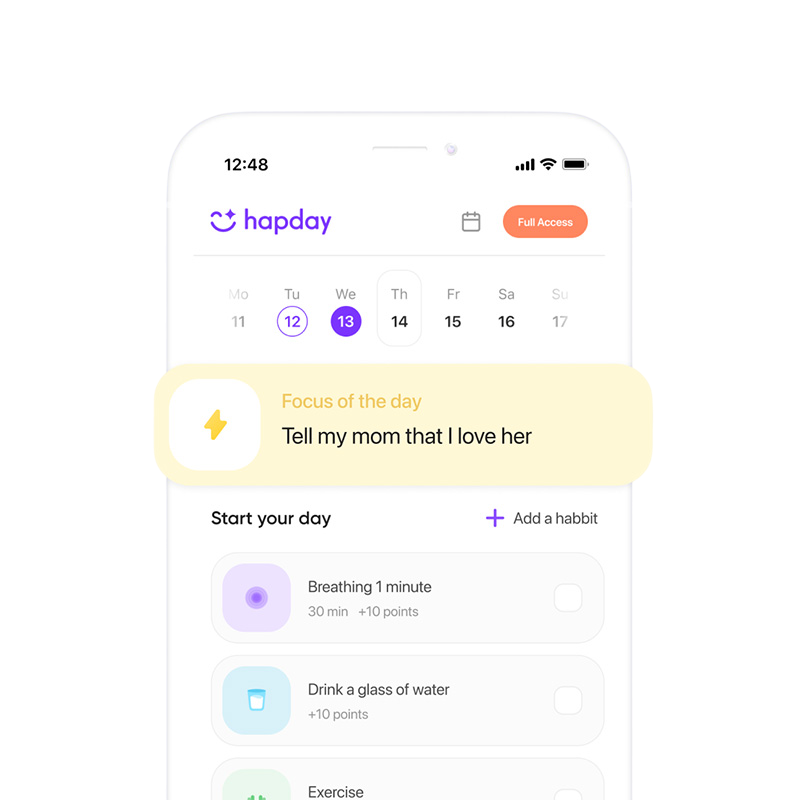
Ready to take an intentional leap on your healing path? Begin today with hapday.me, where curated self-healing programs and daily guidance await your explorative spirit.
Key Takeaways
- Childhood trauma can have a lasting impact, but recovery and growth are achievable.
- Self-compassion fosters emotional resilience and a kinder inner dialogue.
- Building authentic relationships is crucial for healing and personal growth.
- Pursuing meaningful goals aligned with personal values enhances self-belief.
- Professional support can provide valuable tools for navigating trauma recovery.
The Bottom Line
Healing from childhood trauma requires continual effort and self-kindness. By nurturing self-compassion, building resilience, creating secure connections, and pursuing meaningful aspirations with the help of professionals, you can embark on a fulfilling journey of personal transformation.