



Table of Contents
- Grappling with the Legacy of Childhood Emotional Abuse
- Unearthing Emotional Battle Scars
- Neuroplasticity’s Role in Healing
- Pathways to Recover from Childhood Emotional Abuse
- The Bottom Line
Grappling with the Legacy of Childhood Emotional Abuse
When you look back at your childhood, does a familiar ache stir within your chest, as if your younger self is reaching out, longing to be heard? For many, those formative years weren’t simply a time of carefree play and joy. Instead, the landscape was often fraught with emotional neglect or abuse. Such experiences can carve deep scars that extend far into adult life. Maybe trusting others feels like an insurmountable leap, or perhaps self-doubt murmurs louder than any praise you’ve ever received. The path to healing might seem formidable, even shadowy. Yet, with warmth, patience, and the right tools, you can navigate toward a more vibrant emotional horizon.
Childhood emotional abuse is a broad umbrella covering behaviors by caregivers that impair a child’s emotional health and development. Unlike physical harm, there are no visible marks, but the consequences run deep. The American Psychological Association outlines that emotional abuse might involve rejection, isolation, terrorizing, ignoring, or corrupting—all of which disrupt a child’s development (American Psychological Association).
“We often glance over emotional abuse because there’s nothing tangible to see. But trust me, it leaves a footprint that trudges relentlessly through one’s adult life—impacting love, self-view, and even how the body feels.”
— Dr. John Caccavale, Emotional Trauma Expert
Consider Maya, 28, amid the turbulence of a recent divorce. As she pieced together the remnants of her marriage, it dawned on her that patterns from a childhood marred by emotional abuse were on replay. “I kept chasing approval, absolutely terrified to peel away my defenses,” she confides. This moment of clarity marked the beginning of her healing odyssey.
Unearthing Emotional Battle Scars
If you faced emotional abuse as a child, its shadows might still be entwined with your present, often unnoticed. You could be grappling with:
- Trust Issues: An ever-present suspicion about others’ intentions.
- Self-Criticism: Your internal dialogue is stricter than any outside feedback.
- Abandonment Fear: A gnawing anxiety that those you love might leave.
- Emotion Regulation Struggles: Difficulty in managing feelings, causing either exaggerated responses or emotional numbness.
These concerns arise from ingrained beliefs seeded in early life, often underscored by doubts about one’s own worth—or the need to validate one’s existence through others. Recognizing these feelings without self-recrimination is key. You’re not distorting reality or damaged beyond repair; you are someone who braved a tough beginning.
Neuroplasticity’s Role in Healing
The latest in scientific discovery brings hope: the brain’s ability to change—neuroplasticity—can reshape emotional conduct. Dr. Sarah Chen from NYU spells it out: “Your brain isn’t locked after childhood. It remains adaptable, implying that emotional wiring can be reconfigured.”
“Your brain isn’t locked after childhood. It remains adaptable, implying that emotional wiring can be reconfigured.”
— Dr. Sarah Chen, NYU
When Maya grasped this, she found new resolve. She wasn’t irrevocably shackled to her emotional past. By employing neuroplasticity principles through intentional behaviors and fresh ways of thinking, healing from the trauma of emotions is indeed possible.
Pathways to Recover from Childhood Emotional Abuse
1. Foster Self-Compassion
Self-compassion stands as a cornerstone on the journey to healing. Dr. Kristin Neff, a frontrunner in self-compassion studies, advocates treating yourself with the tenderness you’d extend to a dear friend. If critical voices surface, guide them gently toward affirmations of your worth.
Why it works: A research piece by the National Institutes of Health noted that self-compassion lessens self-critical harshness, bolstering emotional resilience (NIH).
How to do it: Embrace self-compassion by regularly acknowledging and validating your emotions without prejudgment. Journaling these experiences with warmth can solidify this practice.
2. Institute Healthy Boundaries
Boundaries are the bedrock for cultivating environments that nurture and safeguard. You might shy away from saying “no,” particularly if you learned early that your needs played second fiddle to others’.
Why it works: Building boundaries is akin to sowing trust and respect for future relationships. The CDC reports that well-defined boundaries boost personal wellness and relational dynamics (CDC).
How to do it: Start by spotting areas in life where boundaries are absent. Practice assertive communication of needs and hold steady when faced with pushback.
3. Seek Therapy or Counseling
A skilled therapist offers tailored support reflective of your experience. Methods like Cognitive Behavioral Therapy (CBT) and Eye Movement Desensitization and Reprocessing (EMDR) have shown efficacy in processing past traumas.
Why it works: Therapy uncovers emotional layers and gives new perspectives on old patterns. It equips you with tools to counter trauma’s impact and embrace new modes of being.
How to do it: Should cost be prohibitive, explore teletherapy or sliding scale options. The National Alliance on Mental Illness (NAMI) can provide resources (NAMI).
4. Reconnect with Your Inner Child
The “inner child” concept entails the youthful segment of your psyche holding old emotions and experiences. Tapping into this aspect allows for significant healing.
Why it works: Engaging with your inner child helps in releasing emotions, as you offer understanding and comfort. Studies suggest that inner-child exercises can reduce anxiety, promoting self-acceptance (Harvard University).
How to do it: Write letters to your inner child or visualize offering them solace. Reclaiming play and creativity, potentially stifled by early trauma, can also be a balm.
5. Embrace Mindfulness or Meditation
Mindfulness and meditation ground you in the present, helping disrupt cycles of past regrets and future fears born from emotional abuse.
Why it works: Mindfulness has been shown to mitigate stress and improve emotional regulation, as evidenced by numerous studies (Mayo Clinic).
How to do it: Begin with brief daily practices—center on your breathing or engage in mindfulness activities like guided body scans. Digital resources and apps provide beginner-friendly support.
Key Takeaways
- Recognizing the impact of childhood emotional abuse is the first step toward healing.
- Neuroplasticity shows that emotional behaviors can be changed over time.
- Practicing self-compassion and setting healthy boundaries are essential for recovery.
- Seeking therapy can provide the support needed to process traumas.
- Engaging with your inner child and mindfulness can foster emotional growth.
The Bottom Line
Healing from the deep wounds of childhood emotional abuse isn’t a swift endeavor; it’s a deliberate, ongoing journey. Imagine standing before a vast, unexplored emotional landscape, tools in hand for the navigation ahead. This path demands patience, but each step you take carries its own triumph.
After months of dedicated self-discovery and therapy, Maya rediscovered passions and relationships she’d once retreated from. “I’m beginning to trust myself,” she reflects. “I can hold my fears gently and be bold in pursuing my dreams.”
As you embark on this transformative path, remember: profound change is within reach. You’re unearthing reservoirs of strength and compassion that were always nestled within, now breaking through, eager to be recognized and nurtured.
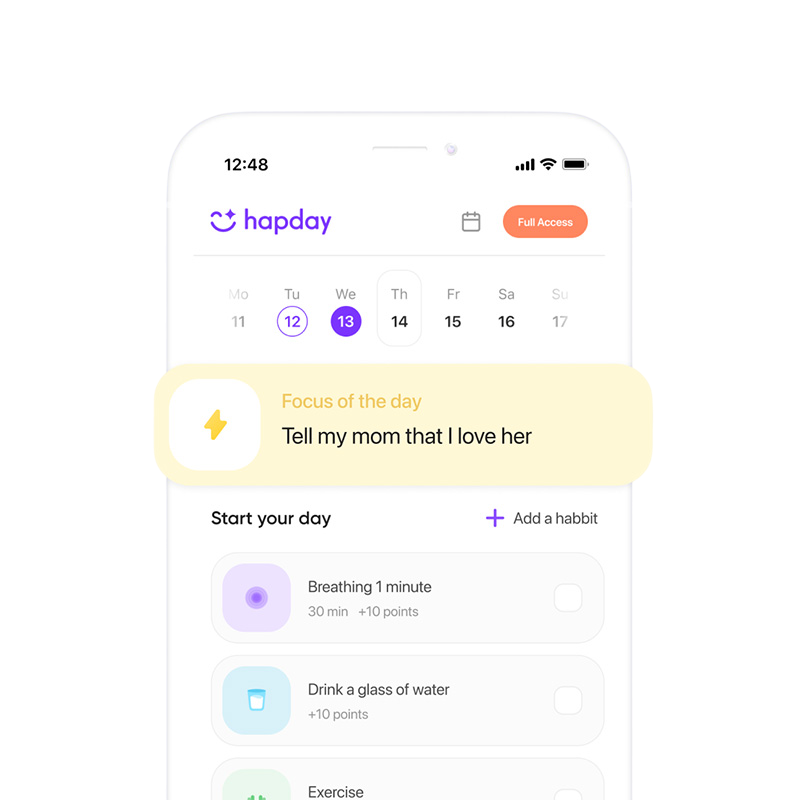
If this journey seems overwhelming, consider the support available at Hapday. Explore self-guided healing programs and daily encouragement crafted for your growth at Hapday.me. Your healing matters, and Hapday can illuminate your path.