



Table of Contents
- Understanding the Shadows: Trauma’s Imprint on Our Lives
- Embracing Vulnerability: Beginning the Healing Process
- Rewriting Your Story: Cognitive Restructuring for Growth
- Fostering Self-Compassion: Bridging Healing with Acceptance
- Building Resilience: The Power of Mindfulness and Meditation
- The Power of Positive Relationships: A Vital Support System
- Engaging in Creativity: Awakening Inner Potentials
- Setting Boundaries: Crafting Safe Growth Spaces
- Nurturing the Inner Child: Restoring Joy and Innocence
- Embracing the Future with Hope: A Forward View
Key Takeaways
- Childhood trauma can have lasting effects on self-identity and emotional health.
- Embracing vulnerability is essential for personal growth and healing.
- Cognitive restructuring can help reframe negative narratives developed from trauma.
- Self-compassion is vital for breaking the cycle of harsh self-criticism.
- Building supportive relationships fosters resilience and emotional health.
Understanding the Shadows: Trauma’s Imprint on Our Lives
Childhood trauma shows many faces: be it emotional neglect, physical abuse, or witnessing domestic adversities. Each trauma stamps its own unique brand. During those formative years, brains wired for survival may find growth difficult to prioritize.
“Chronic stress in childhood alters the brain’s structure, affecting domains like memory, emotion, and thought.”
— Dr. Sarah Chen, Clinical Psychologist, NYU
The brain’s amygdala—home to fear—may become hypersensitive, setting off stress bells in calm settings. Meanwhile, the hippocampus, the keeper of memories, might malfunction, distorting self-identity and perceptions.
As adults, these brain patterns can manifest as anxiety or depression, hurdles that appear overwhelming. But recognizing them can turn these obstacles into opportunities for healing… and growth.
Embracing Vulnerability: Beginning the Healing Process
To cultivate self-growth, one must start with vulnerability. This may sound daunting—especially when life has taught you to armor up against pain. Yet, vulnerability isn’t weakness; it is the birthplace of connection.
Sharing experiences, whether with a therapist, a trusted friend, or via journaling, turns internal chaos into coherent narrative—crucial for growth.
“Articulating vulnerability lessens its grip on you, creating channels for genuine connection. It’s a restorative act.”
— Joanna Peterson, Trauma-Informed Therapist
So, how do you start? Small steps. Share part of your story, consider its impact on you. Soon, vulnerability becomes a strength—creating room for healing and deeper connections.
Rewriting Your Story: Cognitive Restructuring for Growth
Trauma often crafts narratives around themes of unworthiness or fear. Cognitive restructuring—a tool from cognitive-behavioral therapy (CBT)—helps reframe those stories.
First, identify recurring negative thoughts. For Maya, criticism is often heard as a personal attack, rooted in past narratives. To reframe: “Is this feedback about my core worth?” or “Might there be another interpretation?” Regular practice leads to more balanced self-assessments.
Research by the American Psychological Association indicates CBT’s efficacy in reducing PTSD symptoms. The magic? It helps quiet the fear conditioning of past traumas, making room for rational thinking.
Fostering Self-Compassion: Bridging Healing with Acceptance
Survivors of trauma often internalize blame, fostering harsh self-criticism. Yet, self-compassion is pivotal to healing.
“Approaching your own failings with kindness disrupts the cycle of harsh self-talk.”
— Dr. Kristin Neff, Self-Compassion Researcher
Self-compassion starts with mindfulness. Embrace emotions—sans judgment. Recognize common humanity—we all struggle, and your pain is part of this shared human journey. Then, speak kindly to yourself. Swap “I failed” for “I am learning.”
Building Resilience: The Power of Mindfulness and Meditation
Mindfulness and meditation are invaluable tools for overcoming trauma. Not merely grounding in the present, they build resilience.
Mindfulness brings awareness to the moment, easing distressing thoughts linked to past pains. The NIH found mindfulness-based stress reduction (MBSR) greatly alleviates anxiety and depression in trauma survivors. When thoughts wander to past hurts, gently redirect them with breathwork or grounding techniques.
Similarly, meditation nurtures inner calm. Apps like Headspace and Calm guide beginners. With regular practice, the brain rewires, diffusing emotional storms and fostering peace.
The Power of Positive Relationships: A Vital Support System
Healthy relationships—an antidote to relational wounds from childhood. The warmth of supportive, empathetic individuals creates fertile ground for growth. When shadows of self-doubt whisper unworthiness, these bonds affirm your value.
Seek relationships grounded in respect and empathy. Foster open dialogues, build trust. The Harvard Study of Adult Development underscored strong social bonds as vital to emotional health, buffering stress and boosting longevity.
Engaging in Creativity: Awakening Inner Potentials
Creativity possesses unique healing capabilities. Whether through art, dance, or writing, it offers powerful means to process trauma and encourage growth.
Creativity can express what words can’t. For Maya, abstract painting became a medium for feelings beyond articulation. This engagement ignites reward circuits in the brain, releasing dopamine—the feel-good chemical.
Begin exploring creativity without judgment. Allow yourself to express and experiment. This act of creation reclaims agency and mastery over your personal journey.
Setting Boundaries: Crafting Safe Growth Spaces
For many touched by childhood trauma, boundaries blurred into obscurity. Learning to assert them is vital for personal growth. Boundaries serve as protection, defining personal space, emotional sanctuary, and time.
Identify energy drains. Saying ‘no’ takes practice, but it empowers you to prioritize needs. Communicate boundaries lovingly, yet firmly. Over time, honoring these boundaries creates a secure space for self-exploration.
Nurturing the Inner Child: Restoring Joy and Innocence
The ‘inner child’ concept acknowledges unmet childhood needs echo into adulthood. Caring for that inner child is a cornerstone of self-growth.
Dialogue with your inner child—through visualization or writing—strengthens the feelings of safety and love. Reconnecting with past joyful activities—roller-skating, perhaps, or painting—rekindles joy. Engaging in them rejuvenates.
Embracing the Future with Hope: A Forward View
Self-growth post-childhood trauma comes with challenges. Yet hope stands as a powerful ally. As you shed old layers, the future blooms full of potential.
Dream about the future you want. Set small but tangible goals. Hope energizes, pushing you through rough patches. Healing is not a straight road—it spirals, each stride forward a testament to your resilience.
The Bottom Line
Healing from youth’s wounds involves integrating scars as strengths, not erasing them. Through self-compassion, nurturing relationships, and embracing your inner child, you pave a path toward a confident, vibrant life.
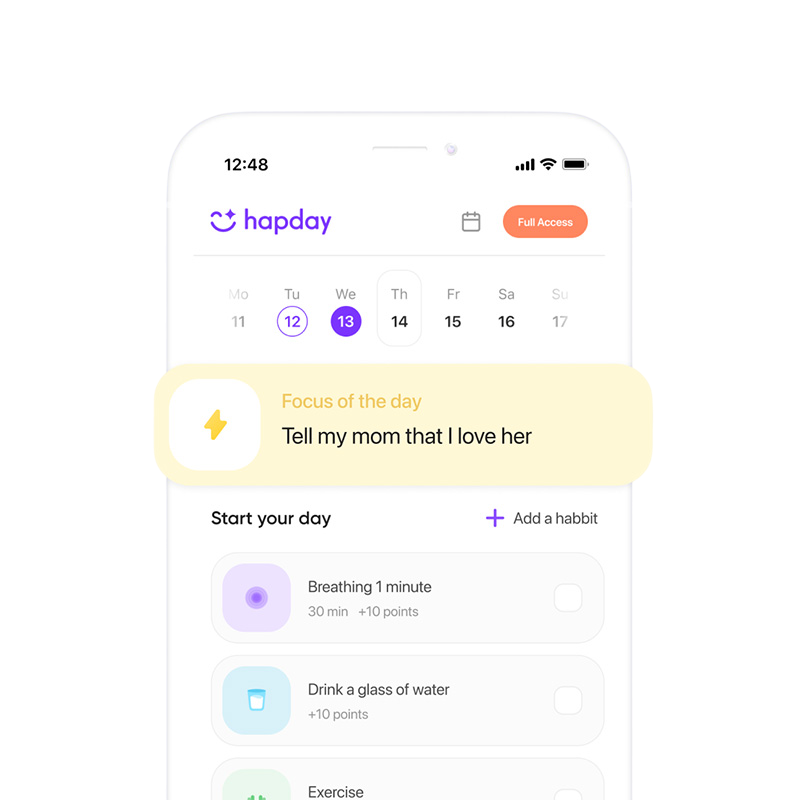
May your journey be one of deep, lasting transformation. For guided support, consider visiting hapday.me, a platform dedicated to emotional growth and self-healing. Explore their transformational offerings and start your healing journey today.
References
- American Psychological Association. “The Efficacy of CBT in PTSD Treatment.”
- National Institutes of Health. “The Impact of Mindfulness on Trauma Recovery.”
- Neff, Kristin. “The Proven Benefits of Practicing Self-Compassion.”
- Harvard University. “The Science of Well-being and Strong Relationships.”