



Table of Contents
- The Unseen Legacy of Childhood Trauma
- The Underlying Science
- Constructing a Pathway to Healing
- Self-Compassion: The Foundation
- Setting Boundaries: Safeguarding Your Journey
- Weaving Wellness Into Daily Life
- Creating a Supportive Environment
- A Future Enriched by Wellness
- The Bottom Line
Key Takeaways
- Childhood trauma can lead to lasting effects on mental and physical health.
- Self-compassion is vital for resilience and healing.
- Setting boundaries is essential for safeguarding your emotional wellbeing.
- Engaging in mindfulness and physical wellness supports recovery.
- A supportive community can enhance healing through shared experiences.
Imagine this: you’re thumbing through a well-worn family photo album. There’s an image of you as a child, grinning brightly, yet beneath that innocent facade lies a tale of unfinished business—unspoken hurt that clings to the shadows of your life. Does this sound familiar? Many of us unknowingly haul this emotional luggage into adulthood, coloring our world with hues of anxiety, fear, or distrust. Childhood trauma doesn’t just end with childhood. It lingers, echoing into adulthood, affecting our mental and physical health. The path to healing and wellness after such trauma is not only challenging but also extraordinarily rewarding. This journey is about finding guidance, empathy, and actionable steps toward healing.
The Unseen Legacy of Childhood Trauma
Childhood trauma wears many faces—whether it’s abuse, neglect, or growing up in a dysfunctional home. These early experiences can deeply influence one’s growth. Take Tanya. She’s a 34-year-old graphic designer who realizes her relentless search for approval springs from her parent’s unending criticisms. She’s not alone in this struggle. As the National Child Traumatic Stress Network notes, nearly 35% of children endure trauma. Ignored, these experiences can manifest later in life as chronic stress, depression, and even serious ailments like heart disease—the CDC has observed this too.
The Underlying Science
“Trauma alters the architecture of our brain—especially the amygdala and hippocampus, which regulate emotion and memory.”
— Dr. Sarah Chen, Clinical Psychologist, NYU
It’s not strictly a psychological battle; trauma can rewire neurological pathways. But understanding this sets the stage for healing. Thanks to neurological plasticity—the brain’s remarkable ability to change—recovery is always within reach, no matter your age.
Constructing a Pathway to Healing
Starting this journey means acknowledging how trauma has impacted your life up until now. It’s perfectly okay to feel overwhelmed at times; healing doesn’t happen overnight, and setbacks are a natural part of the voyage.
Self-Compassion: The Foundation
Self-compassion is about treating yourself with the same kindness you’d readily offer a friend. Kristen Neff, who has pioneered research in self-compassion, discovered that those who cultivate self-compassion tend to have a greater resilience. Maya’s story resonates here. At 28, her divorce brought forth waves of inadequacy from her childhood neglect. Through daily affirmations, she built a shield that slowly deflected self-doubt.
Practicing Self-Compassion
- Recognize Your Feelings: Identify your emotions instead of bottling them up. “I am feeling anxious because…”
- Affirm Positive Beliefs: Remind yourself, “I am worthy of love and respect.”
- Gentle Touch: A comforting act like placing your hand over your heart can actually lower cortisol levels—something the APA has looked into.
Setting Boundaries: Safeguarding Your Journey
Many who’ve endured trauma struggle with boundaries due to past experiences where their needs were dismissed. Establishing boundaries is vital for mental health.
The Importance of Boundaries
They’re designed to protect your energy and emotional space, enabling genuine connections with others. They’re more like gates than walls—elements of self-care.
Establishing Boundaries
- Know Your Limits: What feels okay, and where do you draw the line?
- Communicate Clearly: Use “I” statements to express your boundaries—”I need time for myself during weekends.”
- Stay Consistent: Maintain your boundaries to earn respect from others.
Weaving Wellness Into Daily Life
Everyday habits can anchor your healing, integrating wellness into your existence.
Embracing Mindfulness and Meditation
Mindfulness nurtures a consciousness of the present, pulling you away from negative spirals. A Harvard University study attests to how mindfulness reduces stress and boosts emotional regulation.
Steps to Mindfulness
- Meditate Daily: Begin with five minutes, focusing on your breath.
- Journal Mindfully: Document your daily thoughts and feelings for better self-awareness.
- Practice Gratitude: Note three things you’re thankful for each day.
Physical Wellness: Caring for Your Body
Trauma often takes root in the body as tension or fatigue. Physical activity not only heals but also empowers.
The Power of Exercise
Exercise releases endorphins—natural mood lifts. It helps manage stress and sleep issues—Mayo Clinic echoes this in its findings.
Incorporating Exercise
- Discover Joyful Activities: Whether yoga, running, or swimming, find what excites you.
- Set Real Goals: Aim for 150 minutes of weekly activity, as the CDC suggests.
- Pair with Relaxation: Mix exercise with calming techniques like deep breathing.
Creating a Supportive Environment
Healing is often enhanced by a supportive environment where you’re seen and understood. Therapy and supportive communities can offer this.
Seeking Professional Help
A therapist can provide powerful tools tailored to your experience. CBT and EMDR are both noted by the NIMH for effectiveness in treating trauma.
Choosing a Therapist
- Credibility Check: Find trauma-informed practitioners.
- Trial Sessions: Attend a few sessions to gauge the fit.
- Trust Yourself: Choose someone who makes you feel safe.
Finding Community: You’re Not Alone
Though trauma might lead to isolation, healing tends to flourish in community. Sharing can ease loneliness and support growth.
Building a Support Network
- Engage Locally or Online: Join forums or support groups focused on trauma recovery.
- Nurture Connections: Foster relationships with those who respect your path.
- Serve Others: Volunteer in a way that connects you to supportive communities.
A Future Enriched by Wellness
The goal isn’t to erase childhood trauma but to reclaim your narrative, reshaping your future. Think of yourself a year from now—living with more light, less fear, and a richer sense of self-love. Every step you take, however small, is a victory.
You’re the author of this story—strong and resilient. It’s okay to ask for help, take pauses, and honor progress. Healing is a journey, not a destination, and it’s yours to navigate at your own pace.
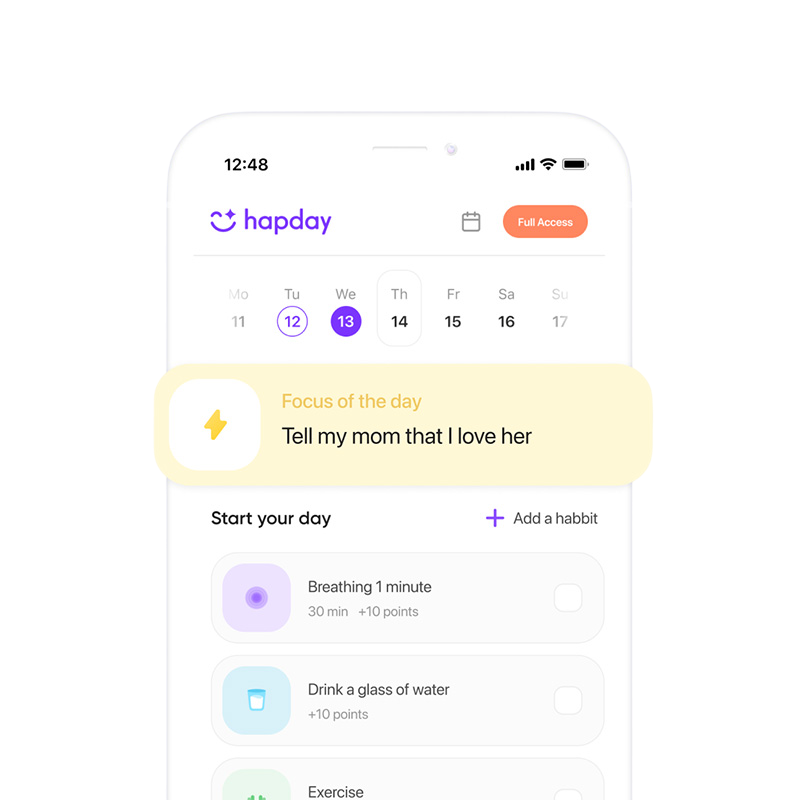
Why not take a bold step towards healing today with Hapday.me? Explore their wellness platform for guided self-healing programs and round-the-clock support for emotional growth. Visit https://hapday.me/ and embark on a fresher, happier journey.
The Bottom Line
Healing from childhood trauma is a complex, yet deeply rewarding journey. By embracing self-compassion, establishing boundaries, and integrating wellness practices, individuals can reclaim their narrative and foster resilience for a brighter future.