



Table of Contents
- The Lingering Echo of Childhood Trauma
- Reading the Signs
- Transformative Power of Reprocessing
- Bonds That Heal
- Bridging the Chasm with Your Inner Child
- The Biology of Being Kind to Yourself
- Reclaiming Your Narrative
- Embodying Emotional Spaces Through Physical Practices
- The Grounding Force of Mindfulness
- Cultivating Gratitude Amid Shadows
- Taking Steps, However Small
- Completing the Circle
Key Takeaways
- Childhood trauma significantly impacts adult emotional health and relationships.
- Recognizing trauma signs is crucial for healing and personal empowerment.
- Reprocessing techniques and secure relationships foster emotional recovery.
- Self-compassion, mindfulness, and gratitude practices enhance well-being.
- Healing from trauma is a gradual journey that requires patience and self-love.
The Lingering Echo of Childhood Trauma
The scars from trauma in childhood—be it from neglect, abuse, or familial dysfunction—etch into our very worldview, deeply affecting our mental and emotional health well into adulthood. Take a moment to consider this: around 5% of children in the US have faced maltreatment, though experts suspect the true figure is much higher, as these stories are often left untold (source: National Institute of Mental Health).
“The brain is in hyper-development mode during those tender years, and experiences then lay down the scaffolding for our emotional architecture.”
— Dr. Sarah Chen, Clinical Psychologist
When trauma intervenes, it throws this development off-kilter, carving patterns of anxiety, depression, or relational discord that resonate throughout life.
Reading the Signs
You might wonder – could your own struggles stem from past experiences? Wrestling with this question is common. Signs could manifest as difficulties in forming trusting relationships, pervasive anxiety, or even a nagging sense of inadequacy.
“The obstacles you’re facing aren’t personal failings—they’re echoes of survival strategies from yesteryear.”
— Dr. Alex Jensen, Trauma Expert
Recognizing these signs, and your trauma history, is empowering. It becomes the cornerstone of your healing odyssey.
Transformative Power of Reprocessing
You may think reprocessing past trauma entails reliving it, but that’s not the case. Approaches like Eye Movement Desensitization and Reprocessing (EMDR) or Cognitive Behavioral Therapy (CBT) are evidence-backed strategies crafted to reshape the perceptions that trauma imprints on our subconscious.
EMDR, particularly, nudges the brain to repattern traumatic memories, allowing individuals to weave these threads into a cohesive life narrative. A study tucked into the pages of the Journal of EMDR Practice and Research hailed the method’s effectiveness in alleviating PTSD in grown-ups — quite promising for the journey of recovery.
Bonds That Heal
For those shackled by trust issues, the mere idea of opening up can be terrifying. And yet, the research is hard to ignore: secure relationships are integral to healing. Harvard Health tells us that social support is pivotal in calming the stress beast, which in turn aids emotional recovery.
Consider Sarah, 35, who emerged from a cocoon of solitude through community dance classes. Here, in the sway of movement and shared laughter, she found the courage to trust again, proof positive of the transformative might of human bonds.
Bridging the Chasm with Your Inner Child
Healing as an adult often dovetails with tending to your inner child—a psychological process reconnecting with and tending to the child who still lingers, bruised from past wounds. Dr. Chen notes, “Offering love and compassion to that inner child creates a bridge between past pains and present sturdiness.”
Engage in this practice by visualizing your younger self, whispering reassurances that echo compassion and security.
The Biology of Being Kind to Yourself
Why is self-kindness so critical? Dr. Kristin Neff, a trailblazer in self-compassion research, unveiled through her studies that self-compassionate souls harbor lower anxiety and depression levels. How? By transforming the internal dialogue from one of criticism to one of kindness.
These are more than reflective exercises—they reshape neural pathways, bolstering emotional equilibrium.
Reclaiming Your Narrative
Challenging the narrative of trauma and reshaping your story can empower deeply. Narrative therapy underscores the transformative power of reframing your experiences. By casting your story in an empowering light, you reclaim control—a vital step in nurturing adult wellness.
Writing or speaking about your life through a compassionate lens lets you step into the role of survivor, reinforcing resilience.
Embodying Emotional Spaces Through Physical Practices
Sometimes, emotions tethered to childhood trauma lodge so deeply they manifest physically. Incorporating wellness routines like yoga or a daily brisk walk can deliver remarkable emotional benefits. A meta-analysis in the Journal of Clinical Psychology highlighted the positive effects of regular physical exercise on mental health.
“When your body steps into motion, emotions follow suit.”
— Dr. Alex Jensen, Trauma Expert
Physical activity churns out endorphins, those natural mood enhancers, helping tune emotional rhythms.
The Grounding Force of Mindfulness
Mindfulness is a potent remedy for trauma responses. The American Psychological Association found that mindfulness uplifts mood by anchoring individuals in the now, easing the rumination that stirs anxiety and depression.
Mindfulness practices could be as simple as dedicating five minutes to deep breathing or taking a mindful stroll, absorbing sensations and surroundings.
Cultivating Gratitude Amid Shadows
Amid hardship, joy might seem a fleeting guest. Yet, nurturing gratitude shifts our focus from what’s absent to what’s present. Harvard Medical School’s research tells us that gratitude elevates happiness and furthers wellness.
Keeping a gratitude journal, jotting down small joy pockets, could serve as a brilliant repository of positive reflections.
Taking Steps, However Small
Healing’s journey is a vast stretch and doesn’t demand massive life shake-ups. Maya, for instance, launched her recovery mission with weekly therapy and daily short meditations.
Remember, missteps don’t erase progress. Granting yourself grace during setbacks is pivotal.
“Healing isn’t linear, but each step—no matter the size—heralds your bravery and dedication.”
— Dr. Sarah Chen, Clinical Psychologist
Completing the Circle
Recovering from childhood trauma isn’t about erasing pain—it’s about weaving it into a story of strength and resilience. Venturing toward adult wellness involves re-learning self-love and aligning with your true self, which often means seeking support and guidance.
Whether through therapy, nurturing supportive bonds, or cultivating self-compassion, the efforts you engage in testify to your strength. By rewriting your narrative, you’re not just on the mend—you’re thriving.
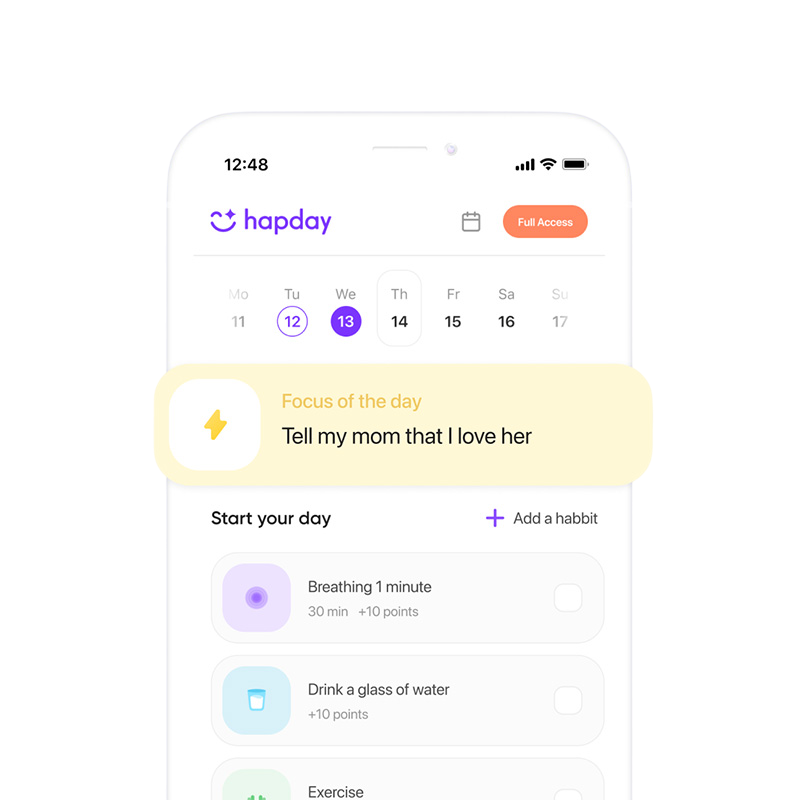
Your journey holds substantial weight, and every step forward is packed with transformative potential. Embrace your path with tools like hapday.me, offering guided self-healing and emotional growth support. Remember—you are enough, and your story is a testament to your progress.
The Bottom Line
Healing from childhood trauma is a courageous journey that requires patience and understanding. By engaging in practices that foster self-kindness, mindfulness, and supportive relationships, you can reclaim your narrative, embracing resilience and strength as integral parts of your story.