



Table of Contents
- Understanding the Origins of Low Self-Worth
- Reframing the Narrative: From Surviving to Thriving
- The Bedrock of Self-Compassion
- Embracing Vulnerability and Building Connections
- Asserting Boundaries and Prioritizing Self-Care
- The Power of Visualization to Manifest Self-Worth
- The Path Forward: An Empowering Conclusion
- Empowering You to Continue
Key Takeaways
- Understanding the impact of childhood trauma on self-worth is the first step towards healing.
- Reframing inherited narratives through Cognitive Behavioral Therapy can reshape your self-perception.
- Self-compassion is critical for emotional resilience and healthier self-dialogue.
- Building connections through vulnerability enhances healing and well-being.
- Establishing boundaries and practicing visualization can significantly bolster self-worth.
Visualize a child alone in her room, the walls a canvas of dreams yet to be pursued. Outside, her reality offers nothing but chaos and unpredictability. The scars of childhood trauma—be it neglect, abuse, or a tumultuous family life—etch themselves into the narrative she carries into adulthood. The echoes of “You are not enough” trail her, an unfair and false narrative, yet all too common for survivors of childhood trauma. If this resonates, you’re not alone. Rediscovering self-worth after trauma is not just possible; it’s a journey we can embark on—together.
Understanding the Origins of Low Self-Worth
Healing begins with understanding—though it can be a daunting task. Childhood trauma can profoundly alter self-esteem, forcing lenses of distortion through which we see ourselves.
“Traumatic experiences in early years can deeply scar self-perception.”
— Dr. Sarah Chen, Clinical Psychologist at NYU
These impressions aren’t just fleeting shadows; they can carve pathways in our psyche.
The National Child Traumatic Stress Network revealed about one in four children have faced trauma, coloring their adult perceptions. An environment drenched in abuse or neglect tells a child that their needs don’t matter. These beliefs of inadequacy are not built in a day but are painstakingly etched through repeated invalidations.
- Why self-worth struggles linger: Psychological theories suggest that childhood trauma crafts long-standing beliefs influencing actions and relationships. When your world was harsh, believing in personal worth can feel pointless.
- How to begin shifting: Recognize your experiences—not as the definitive truth of who you are, but as narratives weathered. Reframe them with compassion as your compass.
Reframing the Narrative: From Surviving to Thriving
At 28, Maya faced her divorce with fragile self-worth. Her childhood rife with criticism and neglect had her questioning value.
“I felt unloved. But the divorce made me realize living for others’ approval wasn’t sustainable.”
— Maya, Survivor
Cognitive Behavioral Therapy (CBT), heralded by the American Psychological Association as effective for trauma, aids in reshaping entrenched beliefs. Through CBT, individuals craft healthier narratives—turning survival into thriving.
- Why CBT works: It challenges harmful thoughts, soothes emotional turbulence, and encourages coping techniques.
- How to apply this: Start a journal. Reflect on moments where you felt valueless. Confront these with logic and evidence—“My caregiver’s lack of praise doesn’t strip me of kindness.”
The Bedrock of Self-Compassion
Self-compassion must be your constant ally. It’s about treating yourself tenderly, particularly when suffering.
“Recognizing our shared humanity and responding to flaws with care instead of critique is crucial.”
— Kristen Neff, Authority on Self-Compassion
- Why self-compassion matters: It tempers self-critique, nurtures emotional resilience, and correlates with reduced anxiety and depression. Brain scans show how self-kindness lights up areas tied to motivation and emotional regulation.
- How to nurture it: Use mindfulness. When you’re overly critical, pause and gently shift your internal dialogue. Pledge kindness to yourself. Phrases like “It’s okay to hurt; others have felt this too” can reshape your inner dialogue over time.
Embracing Vulnerability and Building Connections
Opening up can feel terrifying; it risks judgment and loss, yet vulnerability stitches loneliness with connection.
“Truth is uncomfortable. Yet, courage isn’t weakness.”
— Brené Brown, Esteemed Researcher
- Why connection heals: A study from Harvard Health indicates that human connections boost well-being and life satisfaction.
- How to begin forming connections: Reach out to trusted individuals, fostering bonds that offer safety to be vulnerable. Consider support groups where shared truths cultivate a nurturing space. Platforms like huddle.ai can serve as an anonymous refuge for sharing those first tentative steps.
Asserting Boundaries and Prioritizing Self-Care
Self-worth demands recognizing boundary rights and the sanctity of self-care. Past dismissals or violations of your needs might make this seem alien, but it’s critical for renewal and growth.
- Why boundaries are vital: They demarcate your realm of responsibility, preserving emotional energy.
-
“Boundaries are the pillars of healthy relationships and an authentic life.”
— Dr. Lisa Firestone, Glendon Association
- How to start small: Pinpoint areas of overextension. Say no firmly but kindly, and engage in rejuvenating activities, whether it’s reading, meditation, or soaking in nature’s peace.
The Power of Visualization to Manifest Self-Worth
Visualization can transform self-image. Envisioning yourself as whole and worthy lays the groundwork for moving towards this reality.
- Why visualization works: It’s mental rehearsal, preparing your mind to believe and act in new ways.
- How to visualize: Dedicate time daily to close your eyes and see yourself as confident, compassionate, resilient. Pair this vision with a tangible reminder—a bracelet or stone—to anchor your self-imagery.
The Path Forward: An Empowering Conclusion
Cultivating self-worth post-trauma is a nonlinear journey, laden with courage and endurance. Missteps are learning, not failure; each backward step deepens self-knowledge. You’re rewriting your story, celebrating resilience within.
Being worthy isn’t about being flawless; it’s about embracing imperfections tenderly. Trauma may scar, but doesn’t dictate your healing’s limits. Acknowledge your journey’s length and imagine the potential ahead. Your strength to rise from trauma’s ashes resides within.
Empowering You to Continue
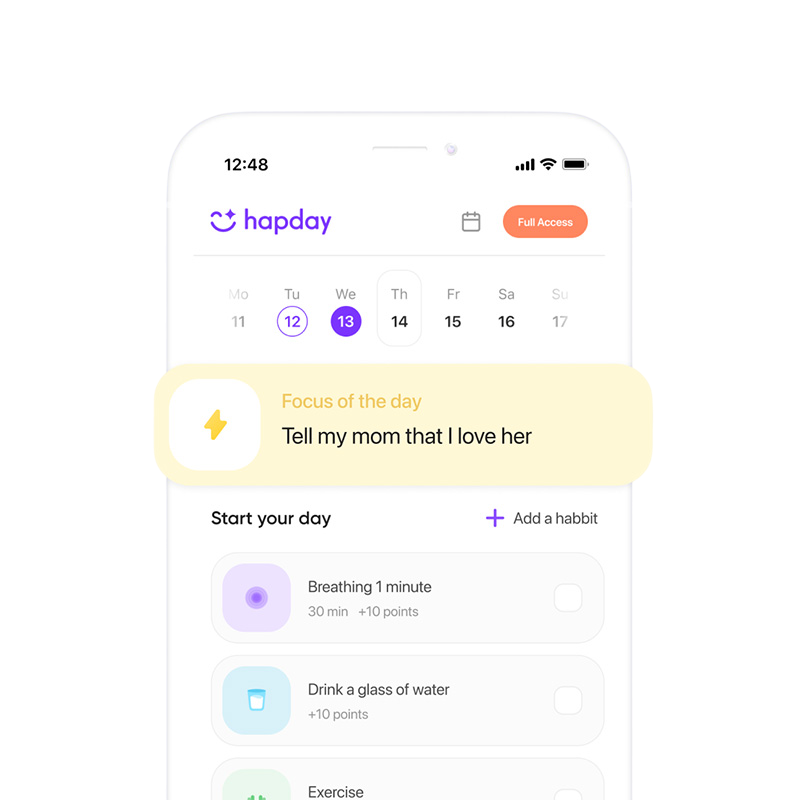
If it feels time to deepen your emotional journey, explore resources like Hapday. Their guided self-healing programs provide continuous support nurturing breakthroughs in self-worth, offering a sanctuary for ongoing transformation.
The Bottom Line
Recognizing self-worth post-childhood trauma embarks you on self-discovery and healing. By tracing the roots of unworthiness, practicing self-kindness, forming connections, and asserting boundaries, your narrative evolves into one of resilience and value. Visualizing yourself as inherently worthy illuminates your journey with hope and love.
References
- National Child Traumatic Stress Network – Information not hyperlinked.
- American Psychological Association – Information not hyperlinked.
- Self-Compassion.org – Information not hyperlinked.
- Harvard Health – Source not hyperlinked.
- Glendon.org – Source not hyperlinked.