



Table of Contents
- Understanding the Impact of Childhood Emotional Abuse
- The Path to Healing
- 1. Acknowledge and Accept
- 2. Seek Professional Help
- 3. Practice Self-Compassion
- 4. Establish Boundaries
- 5. Build a Support Network
- Integrating Healing into Everyday Life
- Moving Forward
- The Bottom Line
- References
Emma sat on the edge of her bed, her fingers instinctively weaving through a timeworn bracelet at her wrist. It’s something she often did when her thoughts drifted back to her early years. Her childhood home—charming in appearance yet filled with echoes of disapproval—remained a haunting presence in her adult life. Now, at 32, Emma grapples with self-doubt and struggles to nurture relationships. The shadows of childhood emotional abuse linger like invisible threads, quietly weaving through the tapestry of her existence.
Emma’s journey is not an isolated one. In the U.S., around 25% of children endure some form of emotional brutality. Those early scars often spill into adulthood, affecting everything from self-esteem to relational stability. Healing is a winding path, but it’s a journey you’re not destined to walk alone.
Understanding the Impact of Childhood Emotional Abuse
Before considering healing, it’s essential to grasp what emotional abuse truly embodies and its lingering effects. Unlike its physical counterpart, emotional abuse wears a cloak of subtlety—sometimes so well-disguised it’s easy to overlook. It thrives on verbal assaults, threats, and insidious manipulations that fracture a child’s sense of worth. Such experiences, over time, can translate into anxiety, depression, and difficulty forming sound adult relationships.
“The brain is exceptionally impressionable in those early years. Emotional abuse can permanently alter brain chemistry and function, often disrupting emotional regulation and cognitive abilities.”
— Dr. Rachel Green, Therapist
Why does this happen, though? Children experiencing emotional abuse face a surge of stress hormones, notably cortisol. Chronic exposure can derail the growth of the prefrontal cortex, governing decision-making and social conduct. Many survivors end up repeating harmful patterns or tethered to toxic dynamics, not by choice, but by neurological conditioning.
The Path to Healing
Healing from these invisible injuries isn’t about erasing your past but rewriting your narrative—finding strength in the story itself. Here’s how you can start:
1. Acknowledge and Accept
The inaugural step in healing demands acknowledging the abuse and its footprint on your life. It’s easy to reside in denial, a natural defense, though it often stunts recovery. Acceptance breaks the cycle of self-blame, leading to healing.
Consider Maya, who at 28, once considered her mother’s criticisms mere facets of ‘tough love.’ It wasn’t until her divorce that she understood their deep cuts on her self-esteem and intimacy fears. Acceptance allowed her to mend that damaged self-image.
“Acknowledgment is critical because it solidifies your experiences. It’s a catalyst in unraveling the chains of shame and guilt survivors often wear.”
— Dr. Sarah Chen, NYU
2. Seek Professional Help
Entrust your journey with professional guidance; therapy can be transformative. It offers a haven to dissect painful memories and constructs coping mechanisms. Cognitive Behavioral Therapy (CBT) stands out, helping recast negative thought imprints from childhood.
“How do you find the right therapist?” you might ponder. Seek those seasoned in trauma care or childhood abuse cases. Feel comfortable quizzing them about their approach—it’s your healing.
The American Psychological Association’s study underscores therapy’s merits: those with professional backing report a significant lift in their mental wellness.
3. Practice Self-Compassion
Can you ever be gentle with yourself? Survivors frequently battle damaging self-talk. Self-compassion can disrupt this harmful narrative. It’s about offering yourself the understanding you’d grace a dear friend with.
Leading scholar Kristin Neff advises practices like self-mindful talk and penning compassionate notes to oneself as preliminary steps in shaping a kinder internal dialogue. Progress is gradual, but over time it reshapes how you view yourself—and your past.
4. Establish Boundaries
Boundaries…crucial in healing. Formerly abused children often falter in this area, saying “yes” when they mean “no,” prioritizing others over self. Boundaries are deep-rooted declarations of self-care.
Start small—decline an invite when you need solitude or gently address discomfort with someone’s comments. These steps build inner strength.
“Boundaries validate your needs, boosting self-worth and emotional integrity.”
— Dr. John Weber, Psychiatrist
5. Build a Support Network
Surround yourself with those who lift and understand you. While friends and family can offer solace, connecting with those sharing similar histories is deeply restorative.
Whether online or in-person, support groups provide a space to exchange stories and strategies. You’re far from alone in this struggle; this shared journey can strengthen and comfort you.
Integrating Healing into Everyday Life
Healing isn’t a single event; it’s a continuous effort that integrates wellness into daily existence. Here’s how to weave it all in:
- Mindfulness Practices: Techniques like meditation or yoga can stabilize emotions, tempering stress. A Harvard Health study backs their effectiveness against anxiety and depression.
- Journaling: Putting thoughts to paper aids in processing feelings and marking progress. It acts as a private sanctuary for thoughts hard to voice.
- Creative Expression: Engaging in art, music, or dance channels therapeutic energy, expressing emotions words can sometimes fail to capture.
- Physical Activity: Exercise is a natural antidepressant, elevating mood and quelling anxiety through endorphin production—your body’s own ‘sunshine’ chemicals.
Moving Forward
Remember, your healing journey respects its own rhythm. It’s not linear; expect setbacks. Yet, every forward step is monumental.
Embrace resilience within. Your healing impacts not only your personal sphere—your relationships, self-view, and emotional depth evolve with each stride.
In Emma’s compelling narrative, she arrived at a place where she allowed herself to feel worthy of love—a worthy journey. Therapy and self-compassion helped her tune out the inherited inner critic, replacing it with a voice of encouragement.
Key Takeaways
- Acknowledge and accept the impact of emotional abuse for healing to begin.
- Seek professional help, particularly from those trained in trauma recovery.
- Practice self-compassion to combat negative self-talk.
- Establish and maintain boundaries to protect your self-worth.
- Build a support network with those who understand your journey.
The Bottom Line
Navigating the journey from childhood emotional abuse scars toward reclaiming one’s narrative is profound. Embark today on a guided path to recovery and tap into your inner courage.
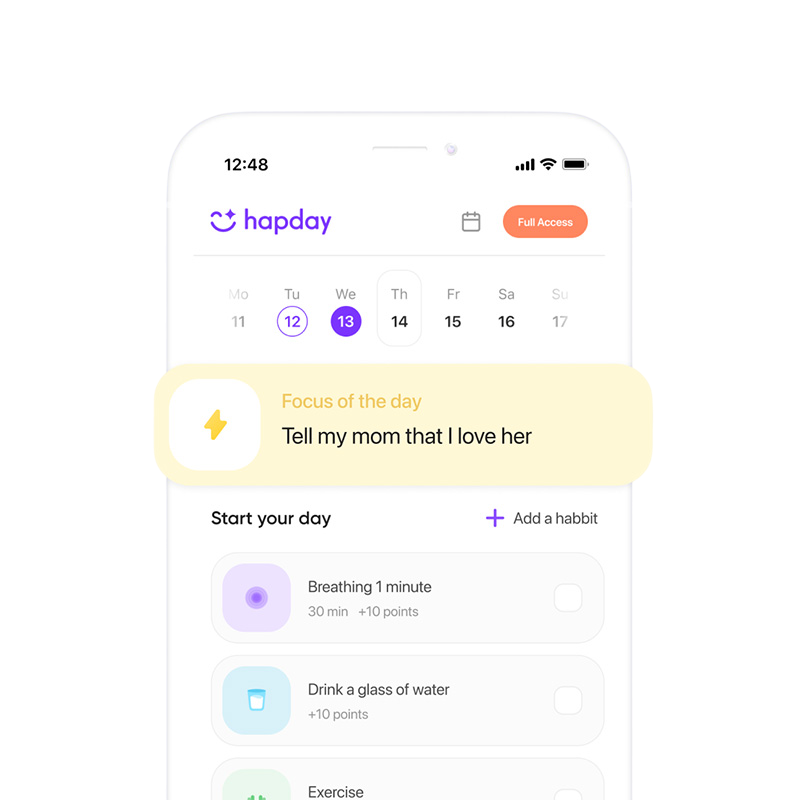
Prepared to commence your own voyage of healing and self-discovery? You’re not sailing solo. Platforms like Hapday offer communities and tools crafted for emotional renewal and recovery. For personalized insights and steadfast support, consider visiting hapday.me.
References
- American Psychological Association
- The Guardian
- Harvard Health